
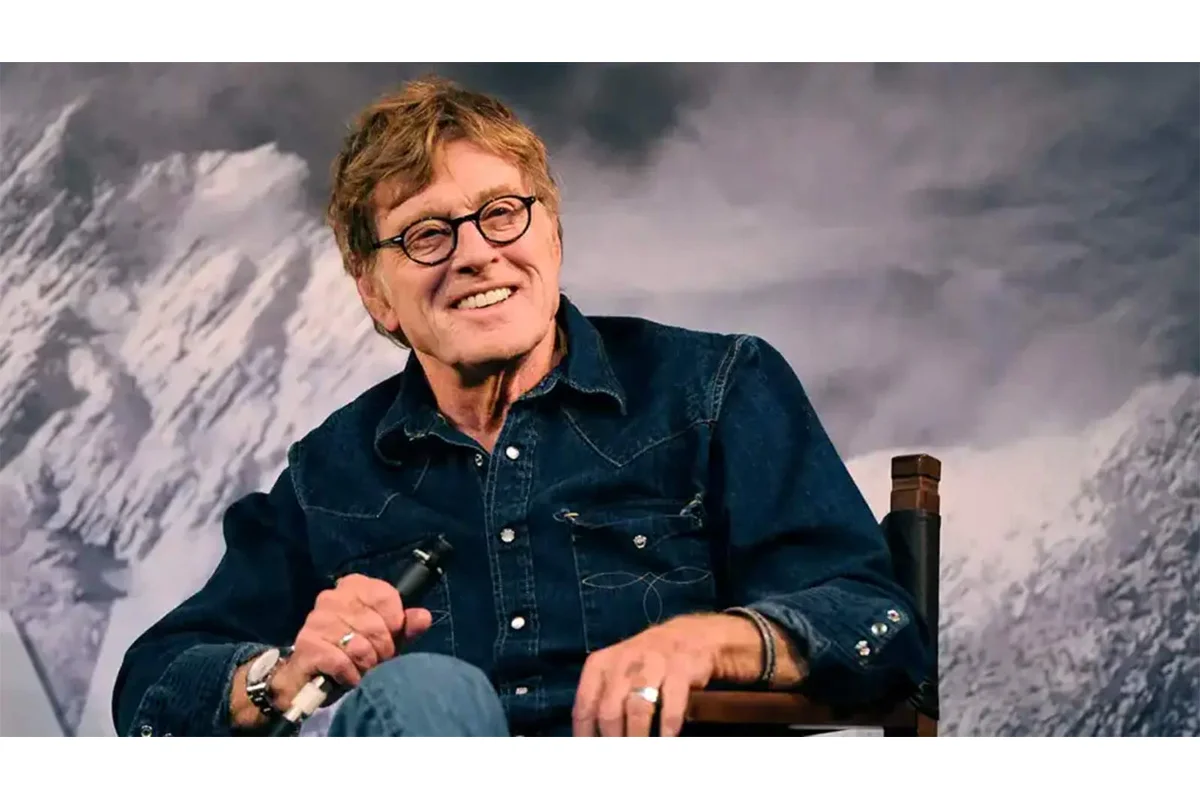
Robert Redford‘s lasting influence on the film industry was powerfully felt after his passing, as artists reflected on the doors he opened and the legacies he left behind. Among those profoundly impacted is Euzhan Palcy, the visionary screenwriter and director from the West Indies whose groundbreaking achievements changed Hollywood‘s landscape.
Redford’s Enduring Legacy and Euzhan Palcy’s Breakthrough
Although recognized as an accomplished film actor and director, Robert Redford was often considered underappreciated until his death, prompting a broad outpouring of tributes. One such tribute came from Palcy, who shattered barriers as the first Black female director to have a film produced by a major Hollywood studio. She earned acclaim across four decades, most notably for the 1989 film “A Dry White Season,” featuring a star-studded cast including Marlon Brando, Donald Sutherland, and Susan Sarandon.
Palcy achieved another milestone by directing Marlon Brando, making her the only woman ever to do so. Brando agreed to participate in her production due to her unwavering commitment to social justice and the film’s powerful message about apartheid-era South Africa. Palcy faced significant risk, traveling undercover to the country to ensure the authenticity and gravity of her story.
The Sundance Directors Lab: A Catalyst for New Voices
Redford’s role in fostering Palcy’s career began in 1985 when he personally selected her and several French filmmakers for the Sundance Directors Lab. As an extension of the renowned film festival he established in 1978, Redford’s lab aimed to nurture independent directors at a time when support for new voices was rare in Hollywood.
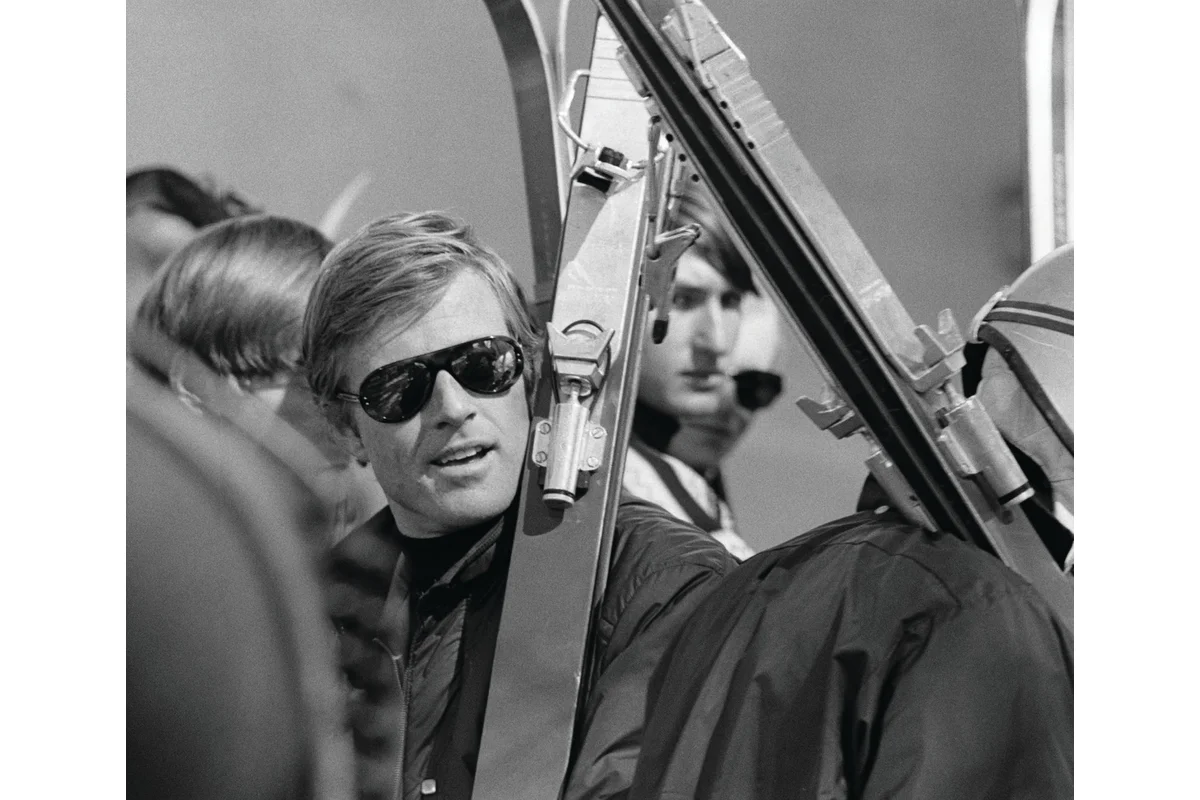
Reflecting on her time at Sundance, Palcy recounted the transformative environment and the influential mentors she encountered:
At Sundance, I was surrounded by giants – Paul Newman, Mike Nichols, Karl Malden, Waldo Salt and Bob himself – who watched me direct, offered notes and treated me as a peer. I was inspired, supported and free to create.
– Euzhan Palcy, Director
During her sojourn in Utah, Palcy found a creative refuge where she focused on developing “A Dry White Season,” a film she had long felt destined to make. The supportive community Redford fostered enabled her to collaborate closely with distinguished figures in the film industry, deepening her resolve and vision. Redford became a guiding figure, with Palcy regarding him as a godfather throughout her journey.
Hollywood Opportunities and a Defining Choice
After completing the lab, instead of returning to France, Palcy was encouraged by Redford to meet with Warner Brothers executives. They offered her a range of high-profile directing opportunities, including the project that would later become Spike Lee’s “Malcolm X.” However, Palcy remained steadfast in her desire to direct “A Dry White Season,” insisting on telling the story most meaningful to her.
Reflecting on the significance Redford held in her career and Hollywood overall, Palcy wrote:
Robert Redford changed my life, and he helped plant a seed for change in Hollywood. For that, I will always carry him in my heart – with love, gratitude and reverence. Without him, I would never have gone to Hollywood, and who knows if that film would have ever been made.
– Euzhan Palcy, Director
Palcy’s Continued Impact and Honors
Following the release of her landmark film, Palcy enjoyed a prolific career spanning the 1990s and early 2000s. Her contributions to cinema were ultimately recognized with an honorary Oscar in 2022, awarded for her trailblazing achievements as a pioneering filmmaker. Her body of work includes the 2007 television mini-series “The Brides of Bourbon Island,” which she wrote and directed, chronicling the lives of 17th-century Madagascan women sent from their homeland to French colonies for arranged marriages.
Robert Redford’s lasting influence is evident in careers like Palcy’s, highlighting the enduring power of mentorship, vision, and the courage to champion new voices in the film industry. His support helped pave the way for underrepresented artists and set a standard for nurturing future talent, the impact of which continues to shape Hollywood today.

