
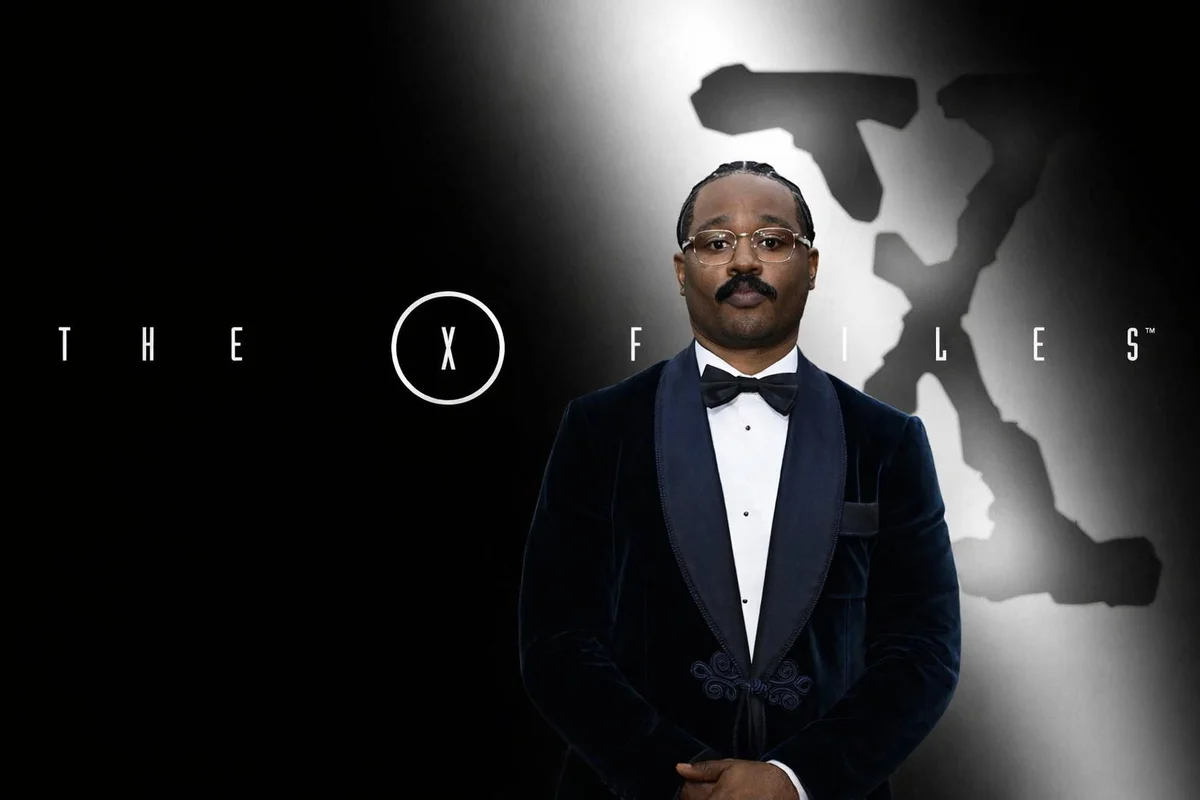
Ryan Coogler is set to bring his vision to the highly anticipated X-Files reboot, offering fans and new viewers a return to the investigative, mystery-driven roots that originally defined the series. This project stands out in today’s TV landscape, as Coogler intends to revive the strengths of episodic sci-fi, in an era where the focus on serialized content often sidelines variety and experimentation—a much-needed shift for the genre and for avid followers of classic science fiction television.
Coogler’s upcoming X-Files, confirmed for production, will maintain the series’ core elements: provocative investigations, a skeptical approach to the unknown, and the ominous tone that permeated Chris Carter’s iconic creation. With current concerns about surveillance and institutional secrecy echoing the show’s original themes, the reboot feels timely and urgent for modern audiences, creating anticipation among fans of government intrigue and conspiracy.
Preserving the Distinctive Approach of the Original X-Files
Debuting in the 1990s, The X-Files, created by Chris Carter, broke new ground by presenting self-contained “Monster of the Week” episodes. This structure blended horror, government conspiracies, and science fiction, encouraging viewers to question truth and grapple with mysteries left unresolved. Stars like David Duchovny, who played Fox Mulder, and Gillian Anderson as Dana Scully, became central to the show’s cult following as they embodied skepticism and relentless investigation.
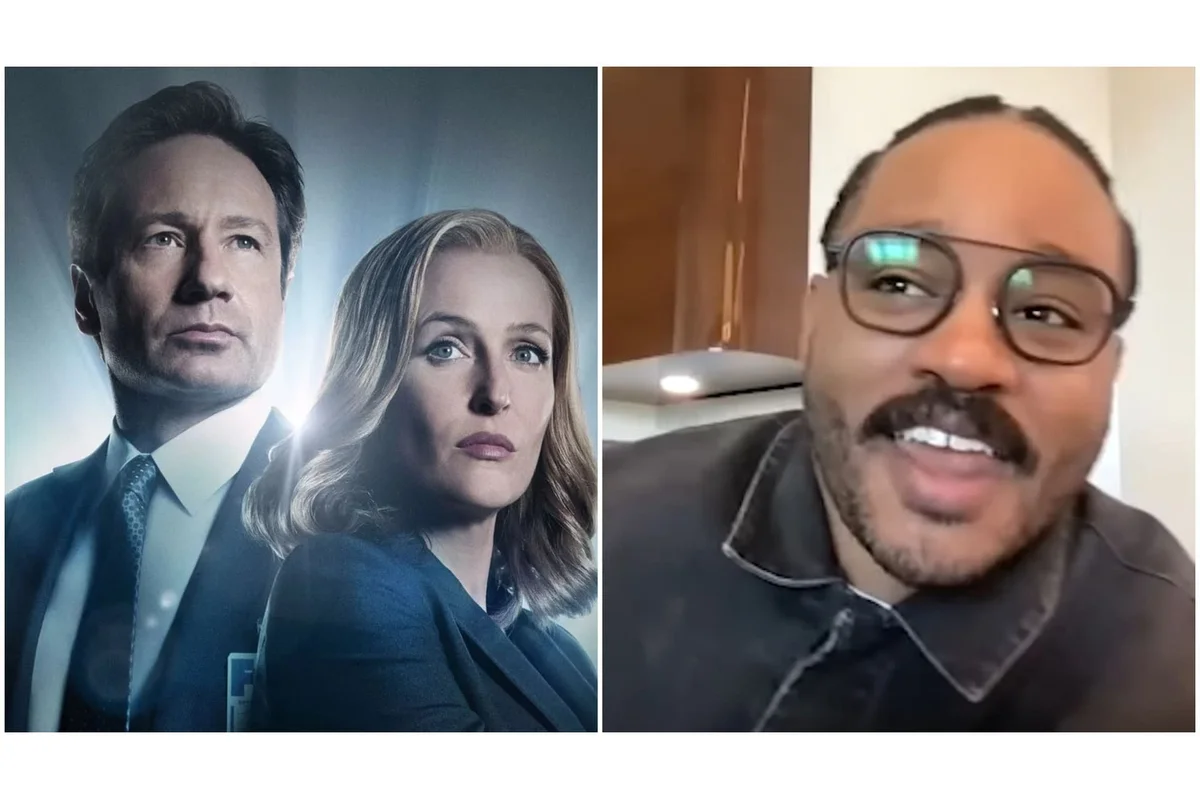
By choosing to embrace rather than overhaul this episodic formula, Ryan Coogler is positioning the X-Files reboot to address today’s anxieties without losing touch with the show’s foundational identity. The focus will once again be on standalone stories that tap into contemporary fears, echoing the original’s ability to offer fresh perspectives every week, rather than relying solely on an overarching narrative. This strategy may remind viewers why episodic television can be thrilling, as it allows audiences—both new and returning—to engage with each new mystery independently.
Modern Streaming Trends Challenge Classic Episode Structure
Historically, science fiction and supernatural series thrived on the week-to-week surprise of new, self-contained threats—a model employed by shows like Buffy the Vampire Slayer and early Supernatural, where the plot advanced through diverse stories and villains. However, the rise of streaming services has largely disrupted this pace. Today, television often favors serialized arcs meant for binge-watching, pushing aside distinct, experimental episodes in favor of long-form, season-spanning mysteries.
Contemporary shows such as Wednesday and From introduce monsters, but these creatures are typically woven into overarching mysteries rather than presented as isolated cases. Even Fringe, after starting with episodic investigations, gradually shifted toward deeper serialized plots about alternate worlds, shifting away from its original variety. This change has created richer mythologies, but stripped away the creative unpredictability that once defined genre television. When every episode must fit into a predetermined arc, showrunners have less flexibility to diverge and explore new ideas.
X-Files Reboot Offers a New Direction for Sci-Fi on TV
Ryan Coogler’s commitment to episodic X-Files storytelling marks a crucial pivot for science fiction television, suggesting mainstream appeal for weekly mysteries remains strong. This approach enables writers to experiment with new themes, respond to current events, and shift genres from episode to episode, without the burden of rigid, season-long narratives. More importantly, it fosters accessibility, letting viewers tune in without extensive background knowledge or the need to track complex lore throughout an entire season.
Coogler has stated that honoring the original’s format is central to his vision. In prioritizing investigation and skepticism over simply providing answers, the reboot not only celebrates The X-Files’ legacy—it addresses the uncertainty that defines our era. Audiences who felt left behind by recent shifts in sci-fi TV may find the Ryan Coogler X-Files reboot to be a welcome return to engaging, idea-driven science fiction.
The Lasting Impact of the X-Files Reboot
With its impending return under Ryan Coogler’s leadership, The X-Files stands poised to recalibrate expectations for genre television. By embracing episodic narratives and revitalizing Chris Carter’s influential format, the show aims to restore the excitement of discovery and suspense for a new generation. As government secrecy, widespread surveillance, and mounting uncertainties continue to shape real-world concerns, a series built around questioning authority and evidence is likely to have renewed relevance.
For viewers and creators alike, this revival could signal a shift in how science fiction is presented and experienced on TV, reminding audiences why weekly mysteries and explorations still matter in a streaming-dominated era.
