
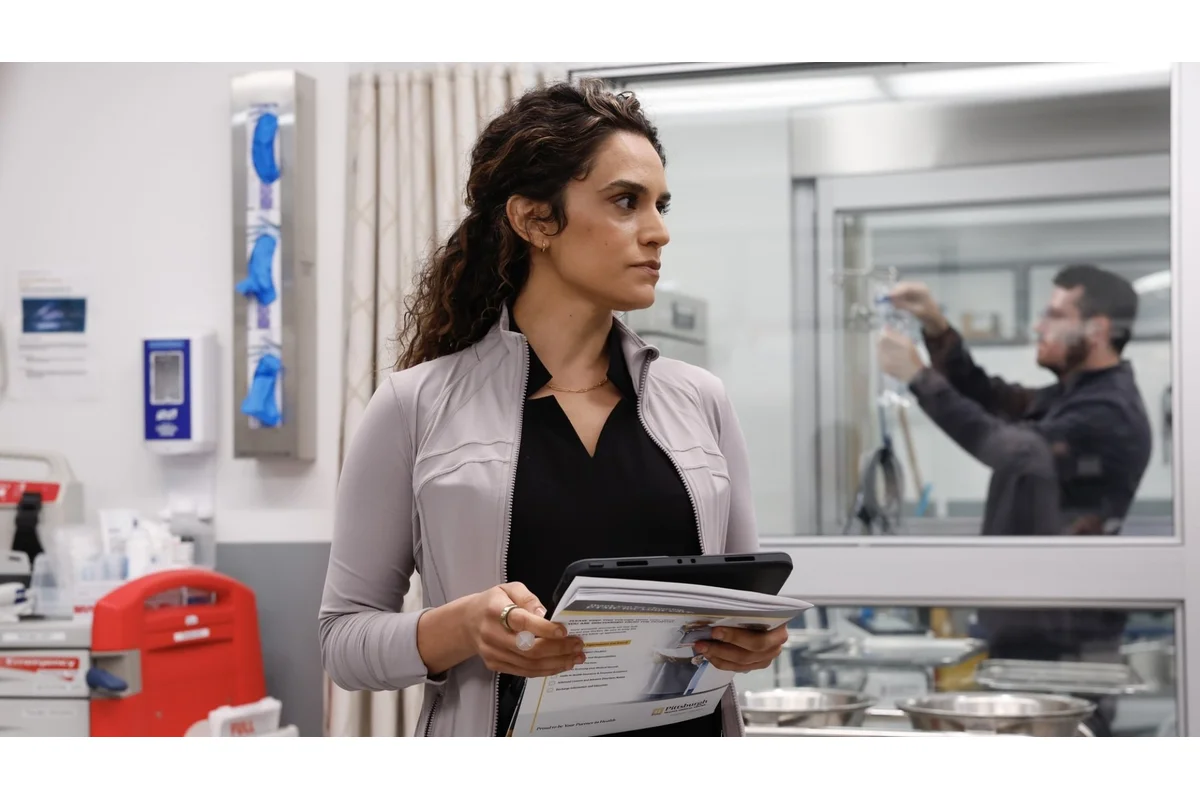
Kristen Stewart and Jesse Eisenberg recently exchanged sharp banter about Jesse Eisenberg directing and acting, highlighting their evolving perspectives as filmmakers and actors. Their conversation took place as Stewart introduced her directorial debut, The Chronology of Water, a project she nurtured for nearly a decade, determined that its story be told on the big screen.
Kristen Stewart, known for her roles in Twilight and her Oscar-nominated portrayal of Princess Diana in Spencer, was quick to point out to Eisenberg her frustration that he viewed her film on a laptop, emphasizing the importance she placed on the theater experience.
“I swear to God. I’m going to kill myself,”
Kristen Stewart says, ribbing her longtime friend Jesse Eisenberg for watching her directorial debut, The Chronology of Water, on his laptop. — Kristen Stewart, Actor-Director
Stewart’s unwavering passion stemmed from her long-term commitment to adapting Lidia Yuknavitch’s memoir—a narrative centered on overcoming trauma through writing and swimming. She stated that her motivation hinged on seeing this emotionally charged vision realized in its intended format and not lessened by a small screen.
The Roots of Their Collaboration and Friendship
Stewart and Eisenberg first connected on the 2009 coming-of-age comedy Adventureland, later working side by side in American Ultra and Cafe Society by Woody Allen. Their dynamic, formed over fifteen years, now finds both actors moving into directing—Eisenberg helmed two films including the Oscar-nominated A Real Pain.
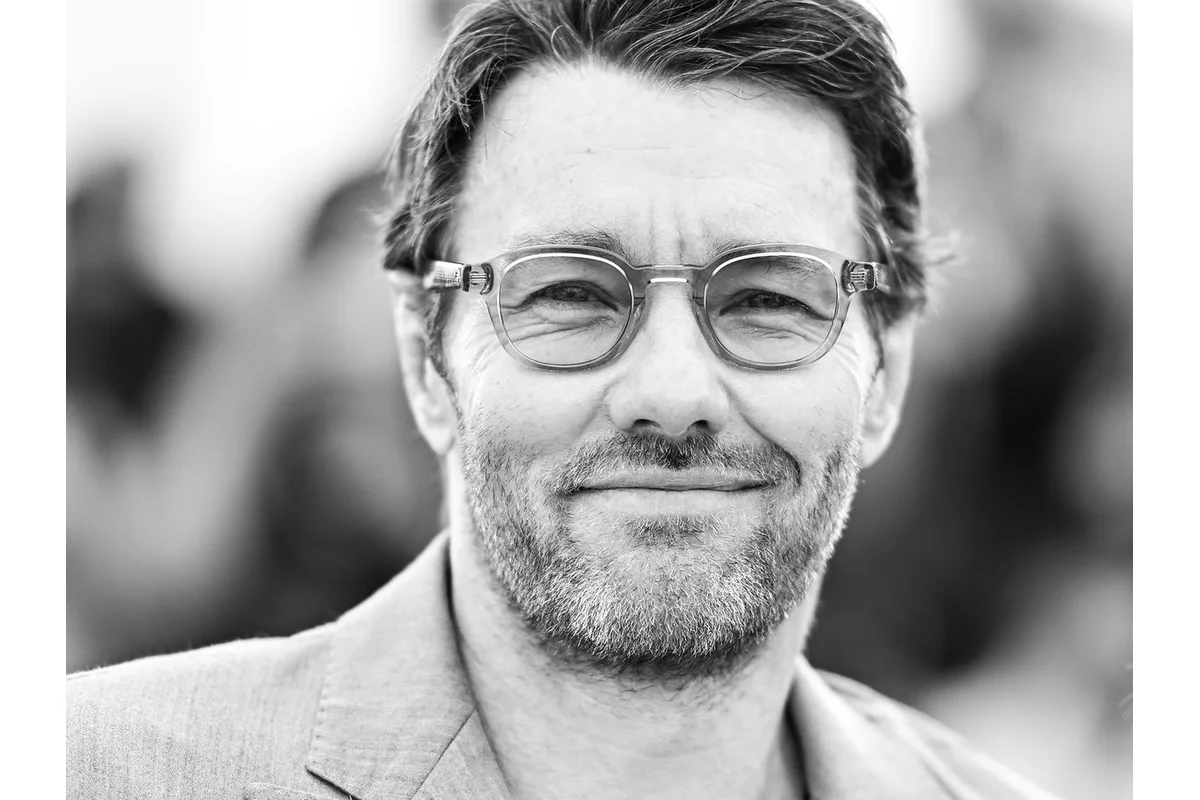
As Stewart continued to tease Eisenberg about his choice of screen and his credentials, she quipped,
“It’s supposed to be a sonic experience,”
she sighs and keeps roasting Eisenberg.
“You know about movies? Have you ever made a movie?”
— Kristen Stewart, Actor-Director
Eisenberg’s responses blended humor and professional respect.
“I’m aware of that and was taking all of that into account,”
Eisenberg wryly retorts before complimenting his pal.
“I was astounded. I’ve never seen something made like this by someone I know who is also funny.”
— Jesse Eisenberg, Actor-Director
Examining the Actor-Director Transition
During their candid exchange, Stewart and Eisenberg discussed how their experiences in directing have fundamentally altered their approach to acting. Eisenberg noted their shared introverted nature and the benefits and responsibilities that come with being established actors—often feeling compelled to create complex, abstract stories that defy conventional expectations.
Stewart explained how adapting Yuknavitch’s memoir was an intensely personal journey, complicated by years of financial setbacks and creative struggle. She described her creative process as intrinsically non-linear, emphasizing the value of open-ended, interpretive storytelling over rigid narrative statements.
Eisenberg reflected on the challenges and unexpected lessons from their careers, recalling moments from their time on Adventureland and grappling with panic attacks on set. These vulnerabilities now inform his respect for the craft and empathy towards fellow actors.
Stewart supported these reflections, emphasizing that being truthful, even in moments of doubt, was important to her art. She advocated for a set where actors felt comfortable challenging their instincts, viewing those moments as creatively rewarding.
Looking at how directing has shaped their actor identities, Stewart recounted,
“I’ll never question anything again. I’m like, Anything you want. The idea of being like, You should cast this person. I’m like, Excuse me? You don’t know anything.”
— Kristen Stewart, Actor-Director
Tackling Storytelling Choices and Industry Expectations
The discussion shifted towards their philosophies on storytelling and working within the demands of commercial cinema. Eisenberg pressed Stewart on whether being a prominent actor influenced her directorial ambitions for something more experimental. Stewart confirmed her distaste for conventional narratives, asserting she is more interested in projects that spark debate and push creative boundaries.
Stewart described the process as arduous and deeply challenging, with those close to her growing weary during the lengthy path to production. She maintained that the themes she explored, particularly the mutable nature of reality, were essential to the message of her film.
When Eisenberg asked about Stewart’s casting choices, Stewart cited friendship networks, noting the shared age and connection with Imogen Poots, the film’s lead.
They went on to explore the impact of directing on their willingness to accept direction. Eisenberg pointed out the irony that some actors become more controlling after directing, while Stewart now values a more collaborative approach, expressing a reluctance to challenge directors’ choices on set.
Her creative vision is rooted in allowing the work to evolve naturally, with Stewart preferring unconventional structures and resisting standardized, commercial constraints. She mentioned her plans for future projects, favoring formats that reflect personal perspectives rather than striving for mass-market appeal.
The Financial Realities of Filmmaking
Addressing the business side, Eisenberg and Stewart discussed whether the financial success of their films mattered to them personally. Stewart admitted that while commercial performance could facilitate future projects, she was more invested in pushing boundaries than box office returns.
Stewart believes that a film’s worth is measured by its necessity to exist, not just its profitability. She noted,
“I think this thing needs to exist.”
— Kristen Stewart, Actor-Director. For her, being part of the business structure is less important than ensuring creative integrity. Eisenberg agreed, admitting his own priorities rarely included chasing commercial milestones.
They briefly joked about the language and structure within the industry, with Stewart pointing out,
“Actually, the title of the movie is in Spanish. I’m not going to tell you what it is.”
— Kristen Stewart, Actor-Director. Eisenberg quipped about learning Spanish for future collaborations.
The Enduring Impact of Collaboration and Change
The lively exchange between Stewart and Eisenberg not only highlights the camaraderie developed over years of collaboration, but also delves into their evolving philosophies as actors and directors. Their experiences working together on productions directed by Greg Mottola, and with other artists like Julianne Moore and Imogen Poots, anchor their perspectives in the real challenges and joys of filmmaking.
Reflecting on their personal and professional growth, the conversation points toward a future where both actors continue challenging the conventions of storytelling and filmmaking. Their unwavering commitment to artistic authenticity and the complexities of Jesse Eisenberg directing and acting offer insight into modern cinema’s ever-changing landscape, signaling that their most innovative work may still be ahead.
