
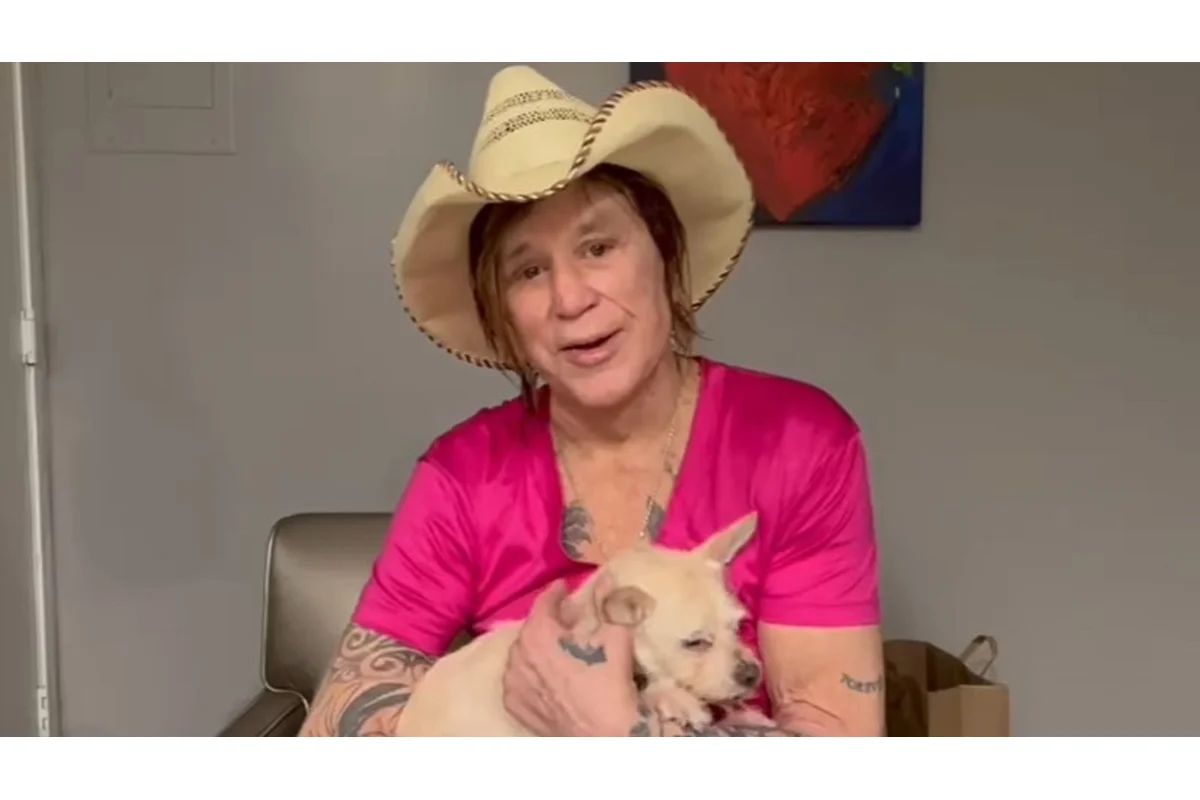
Mickey Rourke has strongly rejected any association with a recent fundraising campaign, denying involvement in a GoFundMe drive launched to help cover his reported back rent in Los Angeles. The controversy, centered on the Mickey Rourke GoFundMe denial, unfolded after over $100,000 was raised despite his public objection.
Rourke Disavows GoFundMe Effort for Rent Relief
The actor, known for his Oscar-nominated roles and tumultuous career, was the focus of a GoFundMe campaign started on January 4. The fundraiser was created to aid him in paying off an alleged $59,100 debt in back rent and avoid eviction from his Los Angeles apartment. Instagram became Rourke’s platform of choice to confront the situation directly, voicing surprise and distress over the fundraising efforts being linked to him without his consent.
“Somebody set up some kind of foundation or fund for me to donate money, like in a charity, and that’s not me, OK?”
— Mickey Rourke, Actor
He intensified his stance in the same message, expressing that he would never accept public charity.
“If I needed money, I wouldn’t ask for no f***ing charity. I’d rather stick a gun up my a** and pull the trigger.”
— Mickey Rourke, Actor
Fundraiser’s Origins and Purpose
The GoFundMe campaign, known as
“Help Mickey Rourke Stay in His Home,”
was reportedly established by Liya-Joelle Jones, assistant to his manager Kimberly Hines. The page’s description stated the fundraising was done with Rourke’s “full permission,” and said it was designed to address urgent housing needs and protect the actor from eviction following a notice from his landlord, Eric Goldie.
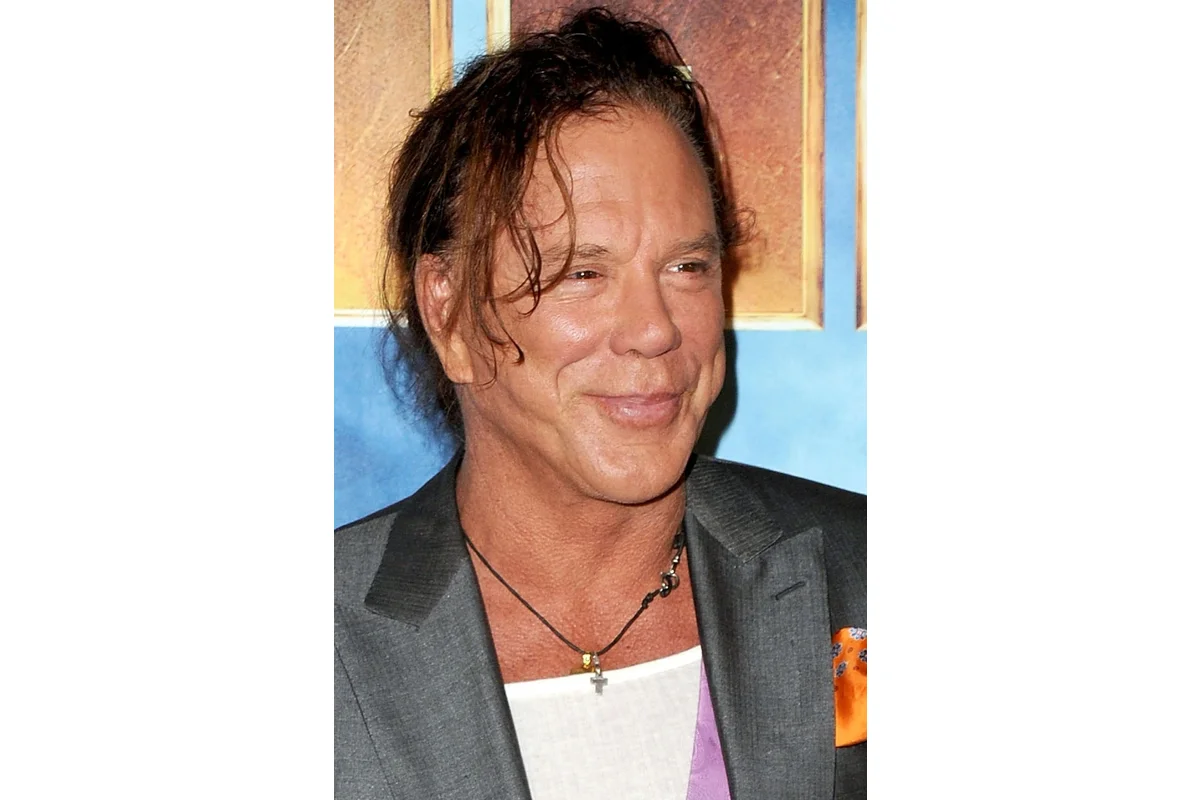
“Today, Mickey is facing a very real and urgent situation: the threat of eviction from his home. This fundraiser is being created with Mickey’s full permission to help cover immediate housing-related expenses and prevent that from happening,”
— GoFundMe campaign description
“Fame does not protect against hardship, and talent does not guarantee stability. What remains is a person who deserves dignity, housing, and the chance to regain his footing.”
— GoFundMe campaign description
The fund also articulated its goal clearly:
“give Mickey stability and peace of mind during an extremely stressful time.”
— GoFundMe campaign description
The call for assistance encouraged supporters to help in any way possible.
“Any donation, no matter the size, will make a real difference. And if you’re not able to contribute, sharing this page is a huge help and deeply appreciated.”
— GoFundMe campaign description
Rourke’s Continued Denial and Emotional Response
Rourke responded with visible disappointment, reaffirming he did not approve or know about the campaign. His messages highlighted his personal code and aversion to seeking external aid of this sort.
“Whoever did this … I don’t know why they did it. I don’t understand it. I wouldn’t know what a GoFund foundation is in a million years.”
— Mickey Rourke, Actor
He further reflected on the emotional impact the incident had on him.
“My life is very simple. I don’t go to outside sources like that. And yeah, it is embarrassing, but I’m sure I’ll get over it like anything else,”
— Mickey Rourke, Actor
Eviction Threat and Rourke’s Background
The urgency behind the disputed fundraiser stemmed from an eviction notice reportedly served to Rourke on December 18. His landlord, Eric Goldie, stated Rourke owed over $59,000 in back rent and needed to remedy the situation or vacate within three days. Further reports indicate that Rourke failed to comply with these demands.
Rourke’s celebrated career in the entertainment industry spans decades, with his breakthrough in films such as “Diner,” “Rumble Fish,” and “Barfly,” as well as box office hits like “The Wrestler,” “Sin City,” and “Iron Man 2.” The 72-year-old actor is also known for his time in professional boxing and his eventual return to Hollywood acclaim.
Public Reaction and Uncertain Next Steps
The GoFundMe campaign, now paused, had exceeded its goal, ultimately raising $100,997. The situation has stirred discussion about the intersection of fame, privacy, and the responsibilities of those closest to public figures. Kimbery Hines, Rourke’s manager, and her assistant Liya-Joelle Jones, played visible roles in the fundraiser’s creation, though Rourke’s opposition has overshadowed their efforts.
The Mickey Rourke GoFundMe denial highlights the complex realities even well-known actors may face when confronting financial difficulties or representation by others. It also raises questions about how such campaigns can be started, managed, or shut down against the wishes of those named as beneficiaries. As the campaign remains frozen and parties involved consider next steps, the controversy underscores issues of consent, dignity, and celebrity vulnerability.
