Christopher Nolan‘s The Odyssey is capturing immense anticipation among film enthusiasts as it prepares for a groundbreaking 2026 release, promising to blend monumental storytelling with cutting-edge visuals. As Hollywood’s biggest directors and studios unveil a diverse lineup of films for the year, Nolan’s adaptation of Homer’s legendary tale is expected to challenge and reshape the very idea of epic cinema.
A Year Bursting with Cinematic Prospects
With the entertainment industry reshuffling and giants like Netflix and Paramount competing over Warner Bros., audiences are poised for a year that could shift the trajectory of modern filmmaking. The landscape includes sequels, fresh takes on classic stories, and returns from acclaimed directors such as Steven Spielberg, Gore Verbinski, and Sam Raimi. Yet, it is Christopher Nolan’s The Odyssey, a monumental project filmed entirely on IMAX and boasting one of the most ambitious production scales of recent memory, that may stand as 2026’s centerpiece.
A Glimpse at 2026’s Most Anticipated Films
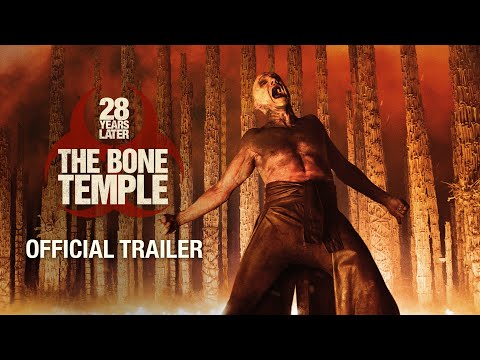
2026 is brimming with high-profile releases that promise a return to originality and spectacle. Among the highly awaited films is 28 Years Later: The Bone Temple, where director Nia DaCosta takes over from Danny Boyle to continue the post-apocalyptic saga, pitting Alfie Williams’ Spike against Jack O’Connell’s sinister Sir Lord Jimmy, while Ralph Fiennes’ Dr. Kelson unravels the mystery of the Alpha.
January will see the return of Sam Raimi with the horror-comedy Send Help, featuring Rachel McAdams as Linda Liddle, trapped on a desert island with her inept boss, played by Dylan O’Brien. Gore Verbinski also returns with Good Luck, Have Fun, Don’t Die, a frenetic time-travel movie starring Sam Rockwell as a traveler enlisting allies against AI-obsessed zombies in an L.A. diner. Emerald Fennell’s Wuthering Heights, starring Margot Robbie and Jacob Elordi, offers a visually lush reimagining of Brontë’s classic, reversing expectations and setting a new standard for literary adaptations.
Matt Johnson directs and stars in Nirvanna The Band The Show The Movie, a feature expansion of the cult-favorite Canadian mockumentary. March will feature Maggie Gyllenhaal’s bold spin on the Frankenstein legend with The Bride!, starring Jessie Buckley and Christian Bale. Boots Riley’s I Love Boosters marks his long-anticipated second film, following the exploits of a shoplifting crew battling a formidable fashionista, with an all-star cast including Demi Moore, Keke Palmer, Taylour Paige, Naomi Ackie, and LaKeith Stanfield. Steven Spielberg’s Disclosure Day promises a return to genre-defining science fiction, led by Emily Blunt and featuring music from John Williams.
Nolan’s The Odyssey: Technical Innovation Meets Mythic Storytelling
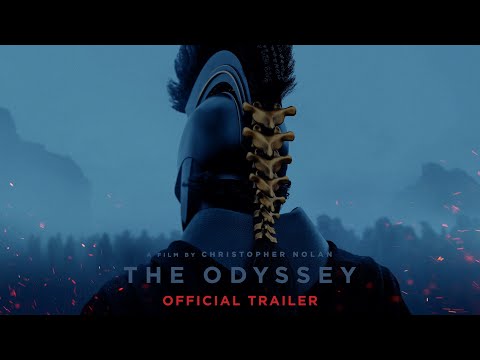
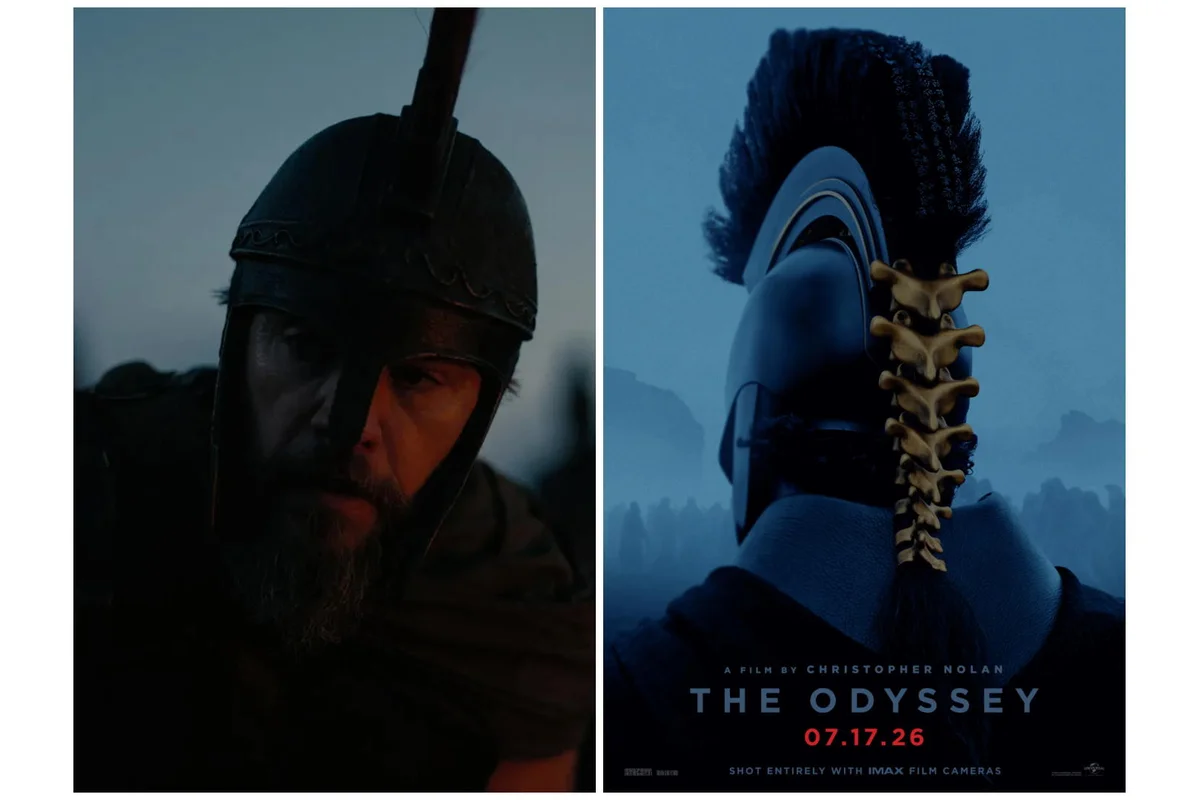
In July, Christopher Nolan will unveil The Odyssey, expected to become a landmark for epic filmmaking. Following the immense success of Oppenheimer, which swept major awards and approached a billion-dollar box office, Nolan is pursuing a practical, visually grand retelling of Homer’s ancient epic. The cast reflects the film’s scale and aspirations, with Matt Damon portraying Odysseus, supported by Tom Holland, Anne Hathaway, Robert Pattinson, Lupita Nyong’o, Zendaya, and Charlize Theron. This ensemble channels the timeless resonance of the story alongside Nolan’s high-concept vision and technical ambition.
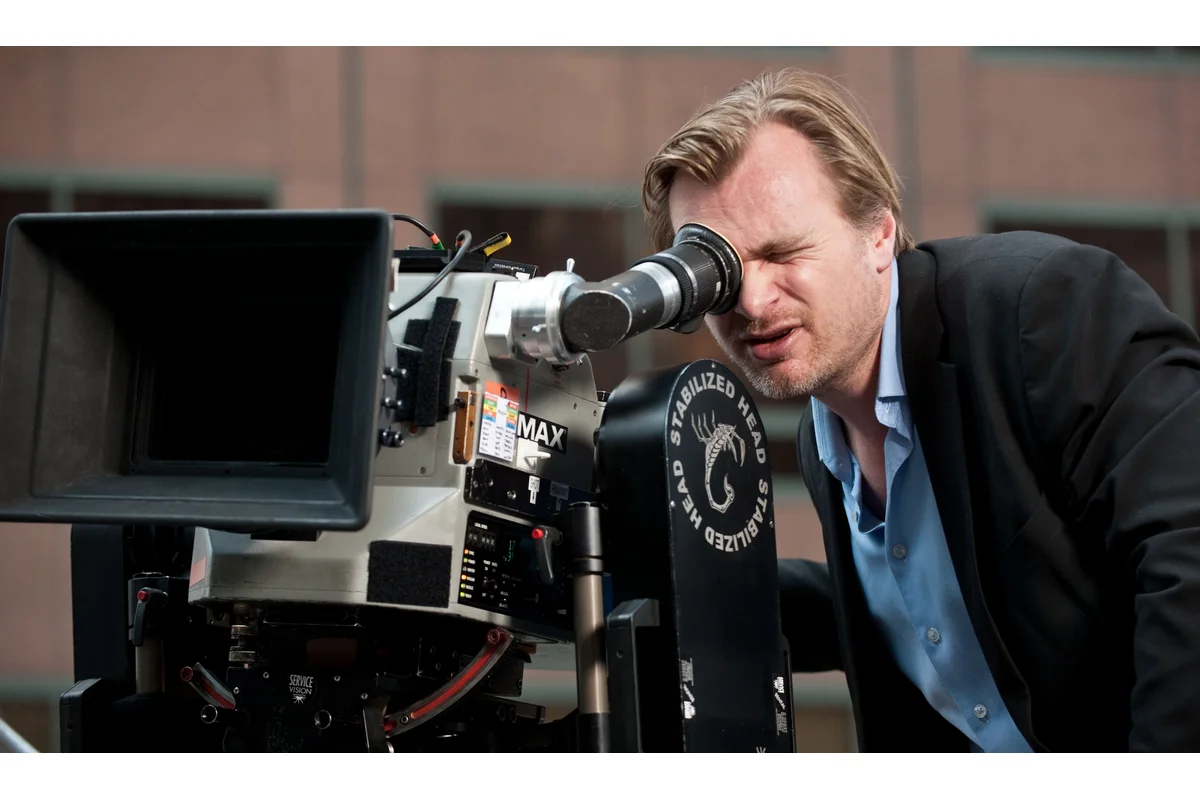
Nolan’s creative freedom and substantial budget have enabled him to construct large-scale sets, including actual ships at sea and visually arresting effects such as a shadow-wrapped cyclone. The decision to shoot entirely on IMAX film echoes the approach of auteurs like James Cameron, offering audiences an unparalleled experience that places them at the heart of ancient myth. The Odyssey is positioned not just as another adaptation, but as a transformative spectacle designed to set new benchmarks for the genre.
Other Highlights from Hollywood’s 2026 Slate
Comedy and satire find their place in Nirvanna The Band The Show The Movie, as Matt Johnson and Jay McCarrol revisit their offbeat quest to play at Toronto’s Rivoli, including a twist involving time travel back to 2008. Meanwhile, The Bride! offers a unique take on the Frankenstein myth set in 1930s Chicago, blending romance, crime, and musical spectacles.
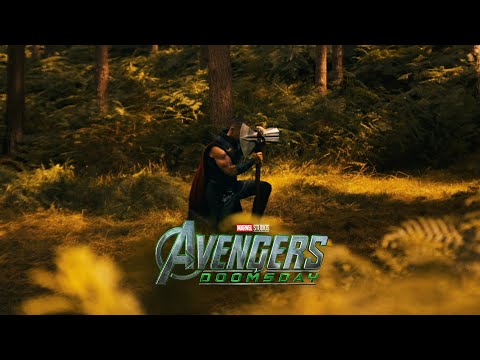
The superhero landscape is equally dynamic. Clayface, co-written by Mike Flanagan and Hossein Amini, takes inspiration from Batman: The Animated Series’ acclaimed story, with Tom Rhys Harries portraying an actor transformed into the malleable villain. DC’s new Supergirl and Marvel’s Avengers: Doomsday are set to generate renewed interest, with the Avengers installment enlisting familiar talents such as Robert Downey, Jr., Chris Evans, and the Russo Brothers. The stakes are particularly high for Doomsday as it attempts to stabilize the MCU after an uneven stretch.
“Doomsday is a Hail Mary for producer Kevin Feige, who called in favors from (or wrote massive paychecks to) standbys Robert Downey, Jr., Chris Evans, the Russo Brothers, and pretty much anyone who has ever said a word in an MCU film. Let’s just hope they finished the script, because Doomsday is unsurprisingly a Part One of Two.”
For animation and family audiences, Coyote Vs. Acme is finally poised for release after years of shelving, featuring Will Forte and John Cena in a comedic, courtroom showdown built around the classic Looney Tunes character, Wile E. Coyote. Netflix steps in with Greta Gerwig’s Narnia: The Magician’s Nephew, debuting as a theatrical prequel rather than the more familiar first volume, and engaging new generations with C.S. Lewis’ lore through Gerwig’s singular vision and emphasis on origin storytelling.
Genre Reinvigoration and Global Ambitions
Genre fans have much to anticipate, with Resident Evil receiving a reboot from Zach Cregger, whose respect for the video game’s fourth installment may deliver a definitive adaptation after numerous attempts. Denis Villeneuve returns to Arrakis with Dune: Part Three, starring Timothée Chalamet, Zendaya, Florence Pugh, Robert Pattinson, and Jason Momoa, adapting elements of Frank Herbert’s Dune Messiah while venturing into unexpected narrative territory.
“Dune: Part Three sends director Denis Villeneuve and stars Timothée Chalamet, Zendaya, Florence Pugh, Robert Pattinson, and Jason Momoa back to Arrakis for some more palace intrigue and revolutionary uprisings. Though technically based on Frank Herbert’s Dune Messiah, nothing about how Dune: Part Three has come together suggests that Villeneuve is following the book too closely.”
The year’s releases consistently demonstrate a willingness among filmmakers to rethink established franchises and explore ambitious new concepts, blending stand-out performances by established actors like Margot Robbie, Jacob Elordi, and Jason Momoa with the wild creativity of directors such as Emerald Fennell and Boots Riley. Studios are supporting these projects with significant resources, perhaps prompted by competition for streaming and theatrical supremacy between organizations like Netflix, Warner Bros., and Paramount.
What Sets The Odyssey Apart in 2026
While 2026 boasts an impressive lineup across franchises, animation, and independent cinema, Christopher Nolan’s The Odyssey stands out for its unprecedented technical scope and artistic aspiration. By enlisting talents such as Matt Damon and Anne Hathaway, and leveraging IMAX technology for every shot, the film promises an immersive experience that combines classical storytelling with innovation. Nolan’s reputation for drawing audiences with complex, visually spectacular narratives only heightens the anticipation. The ensemble, including Tom Holland, Robert Pattinson, Lupita Nyong’o, Zendaya, and Charlize Theron, brings added star power and international appeal to what may become a new anchor for epic filmmaking.
The Odyssey’s practical production values, combined with the enduring allure of Homer’s adventure, signal a movie that could reach both critical and popular acclaim. The anticipation is further heightened by Nolan’s past successes, especially following his Oppenheimer Oscar triumph, suggesting he is ideally positioned to leave a lasting mark on cinematic history. As the industry and audiences look for something more than sequels and retreads, The Odyssey could offer precisely the bold new vision they crave.
The Road Ahead: Impact and Anticipation
As theaters recover from recent uncertainties and studios test the boundaries of what audiences want, 2026 may indeed prove pivotal. From new takes on superheroes with Clayface and Supergirl to the reinvention of beloved sagas like Dune and Narnia, diversity in storytelling and risk-taking is front and center. Yet, Christopher Nolan’s The Odyssey, with its blend of ancient myth and modern spectacle, is uniquely poised to redefine what “epic cinema” means for this generation and those to come.
With so many sought-after films competing for attention—from the comedic ingenuity of Nirvanna The Band The Show The Movie to the tense horror of Send Help and the genre-bending Disclosure Day by Steven Spielberg—the conversation around cinema is charged with possibility. In this crowded field, Nolan’s Odyssey asserts itself as a potential game-changer, a beacon for ambitious storytelling and technological audacity. For movie fans, the next year marks a moment not just of looking forward, but of rediscovering why cinema matters.