
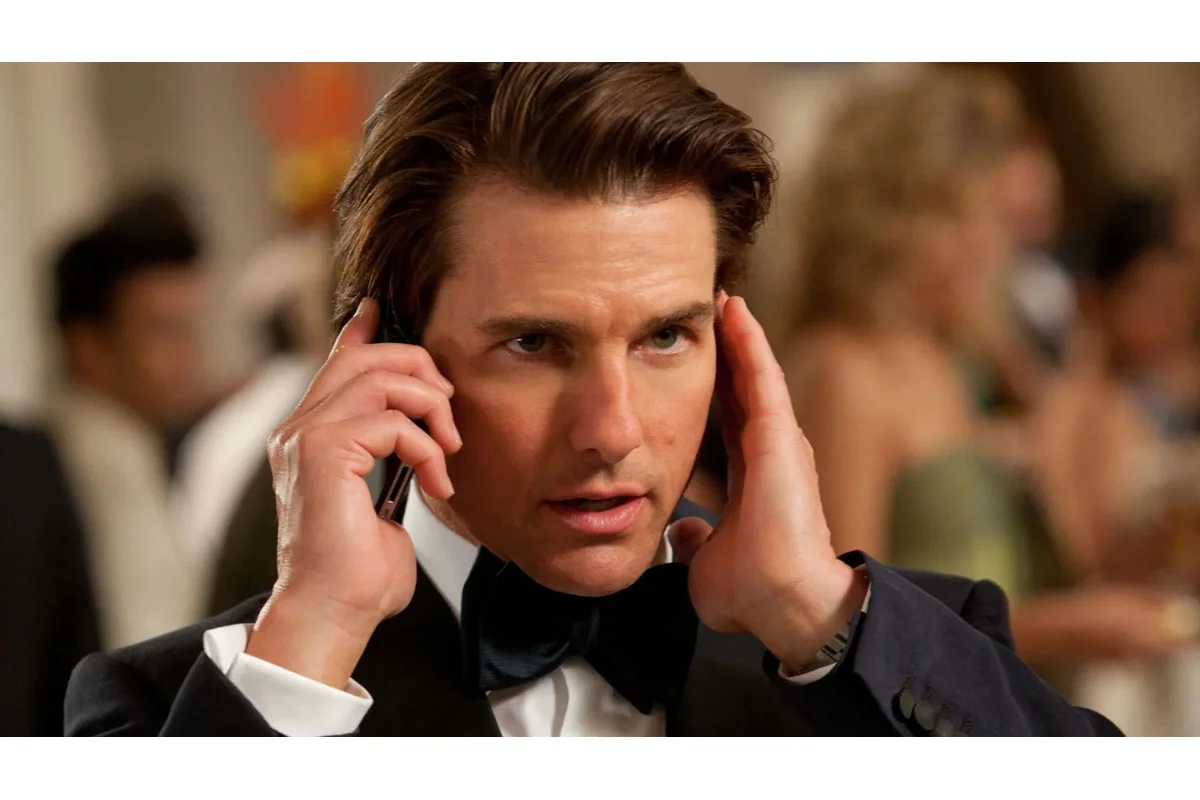
The ongoing debate over the fate of the classic movie star continues to ignite conversations within film communities, as many question whether we are witnessing the end of an era or the rise of new icons. The notion of Tom Cruise as the last movie star remains strong, but Timothée Chalamet‘s recent success with Marty Supreme signals a shift that could redefine that legacy.
Changing Dynamics of Movie Stardom in Hollywood
In recent years, enthusiasts of Hollywood have lamented the apparent disappearance of movie stars whose names alone could guarantee box office success. Traditionally, these stars wielded such influence that audiences flocked to theaters based on their presence in a film, rather than the story or genre. Tom Cruise continues to be seen by many as the archetype of this kind of stardom, capable of drawing crowds regardless of the film’s plot or critical reception. However, as Harrison Ford noted, there are still contemporary actors who elevate projects with their talent and gain widespread acclaim, demonstrating that the landscape is evolving rather than disappearing.
Some voices argue that the conclusion of this era may not be entirely negative, as stardom has often attracted controversy and rarely merits unquestioned celebration. Yet, a closer look at today’s entertainment landscape shows celebrity culture remains deeply embedded, evidenced by the current generation of stars whose popularity is undeniable. Chalamet’s growing appeal, as demonstrated by the recent box office performance of Marty Supreme, stands as proof that movie stardom has not vanished—it has merely transformed.
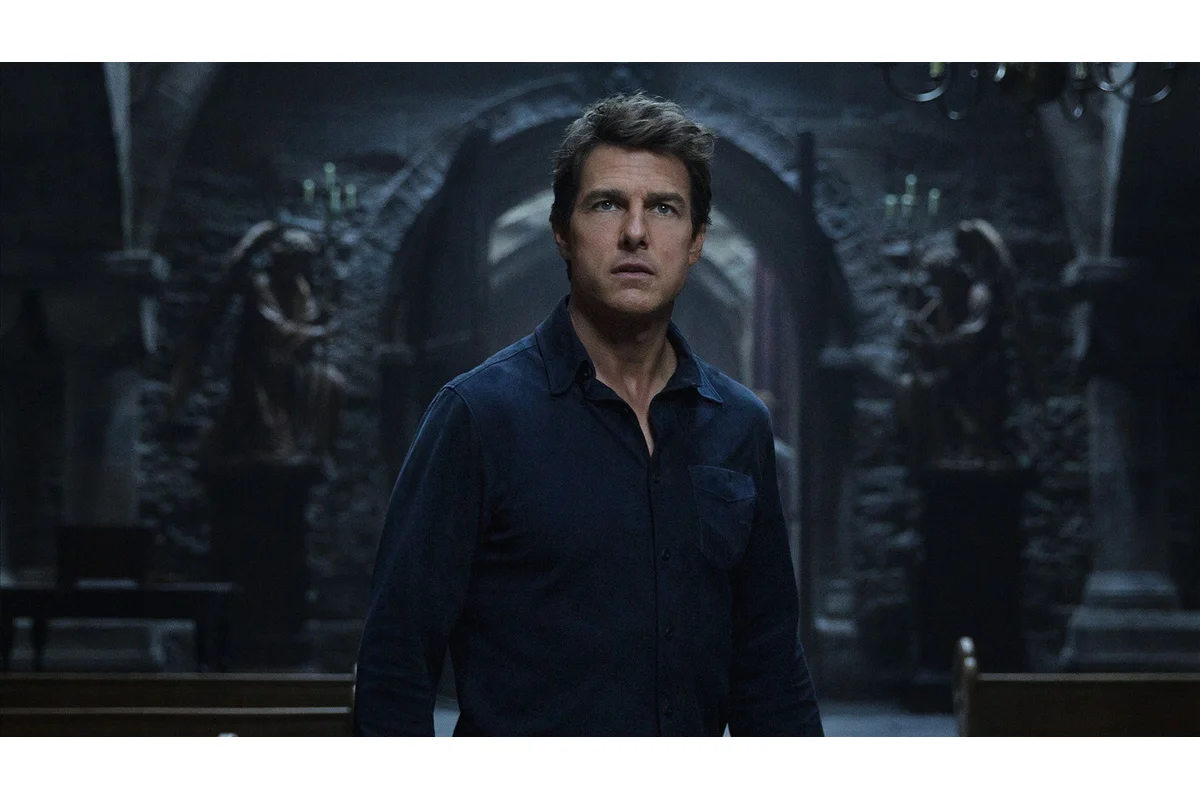
Marty Supreme Surpasses Expectations with Chalamet at the Helm
Marty Supreme arrived as a film with a low-key premise—a story about Marty Mauser, portrayed by Timothée Chalamet, hustling through New York in hopes of reaching the World Championship in Tokyo. Inspired by table tennis legend Marty Reisman, the movie did not appear destined for major commercial success, especially given table tennis’s limited fan base compared to the motorsport-driven hit F1, starring Brad Pitt and directed by Joseph Kosinski.
Director Josh Safdie, known for his work on Uncut Gems, is respected in indie circles but has not been widely recognized as a box office draw. Likewise, Marty Reisman’s legacy shines primarily within specialized sports communities, making the film anything but an obvious blockbuster candidate. Yet, the critical factor that set this project apart was Timothée Chalamet’s involvement—his association alone was enough to attract large audiences, proving his ability to command attention in today’s market. Marty Supreme quickly broke records for its distributor A24, becoming the studio’s top domestic earner by grossing at least $100 million—a feat that even Safdie’s previous collaboration with Adam Sandler, lauded for its dramatic performance, did not achieve.
Strategic Marketing Puts Chalamet at Center Stage
The promotional campaign for Marty Supreme focused almost exclusively on Timothée Chalamet’s role as the film’s lead. This intensive marketing approach mirrored earlier eras when studios relied heavily on the allure of stars such as Tom Cruise, with his continuing pull for Mission: Impossible audiences, or Julia Roberts during her romantic comedy heyday. Even now, a handful of Hollywood veterans like Leonardo DiCaprio and Brad Pitt can anchor promotional tours, but the attention given to Chalamet for Marty Supreme was singular in its intensity.
The choice to spotlight Chalamet was bold, especially for a movie centered around a niche sport. Despite table tennis lacking mainstream appeal, audiences responded to the campaign much as they did to star-driven titles in decades past, suggesting that the draw of a charismatic lead remains a potent force in cinema. As the Marty Supreme press tour demonstrated, Chalamet’s star quality filled theaters, echoing the influence once wielded by Hollywood’s most revered figures.
Chalamet Follows Cruise’s Lead in Revitalizing Theatrical Attendance
Timothée Chalamet distinguishes himself from both predecessors and peers through a vigorous commitment to bringing audiences back to theaters. While actors like Cruise are renowned for their ongoing dedication to the big screen experience, Chalamet has modeled similar initiatives. The Marty Supreme publicity blitz was meticulously crafted to emphasize the importance of experiencing the film in a movie theater, echoing Tom Cruise’s own efforts to keep the theatrical tradition alive amid shifting consumption habits.
This campaign highlighted that Marty Supreme marked Chalamet’s return to cinema after a yearlong absence and teased that fans would have to wait for his next major role in Dune: Part Three. By framing his presence as an event, the marketing underscored Chalamet’s stature and generated anticipation, resulting in notable box office numbers and increased foot traffic to theaters. In an era dominated by franchises, the success of a star-driven, sports-themed drama underscores both the resilience of movie stardom and the willingness of sectors like A24 to invest in such individual-driven projects.
Marty Supreme’s Tour Elevates Chalamet’s Movie Star Persona
Throughout the extensive Marty Supreme press tour, the internet buzzed with both light-hearted critique and genuine admiration for Chalamet’s confident persona. Despite occasional misinterpretations of his assertive attitudes, Chalamet’s focus was clear—he aimed to energize fans, build excitement, and convince even casual cinema-goers of the value in watching the film on a big screen. Rather than arrogance, his confidence stemmed from a strong work ethic and a commitment to breathing new life into a format some claim is fading.
While some considered Chalamet’s approach unusual by current standards, his self-assured promotion aligns with the authentic definition of stardom—an awareness of influence, a proactive approach to publicity, and a visible investment in keeping the communal movie-going experience alive. The audience’s enthusiastic response, reflected in ticket sales, validates this approach. It is measured by more than just marketing buzz; it also boosts Chalamet’s Oscar prospects for his performance in Marty Supreme. The synergy of critical praise and commercial triumph places him among Hollywood’s elite—a new generation of movie star standing alongside legends like Tom Cruise and Julia Roberts, yet building his path in a rapidly evolving industry.
In a time when the nature of stardom is routinely questioned, Timothée Chalamet’s ascendancy signals that star power—and the tradition Tom Cruise last movie star represents—remains a vital force in cinema, inspiring audiences and shaping the future of theatrical storytelling.
