
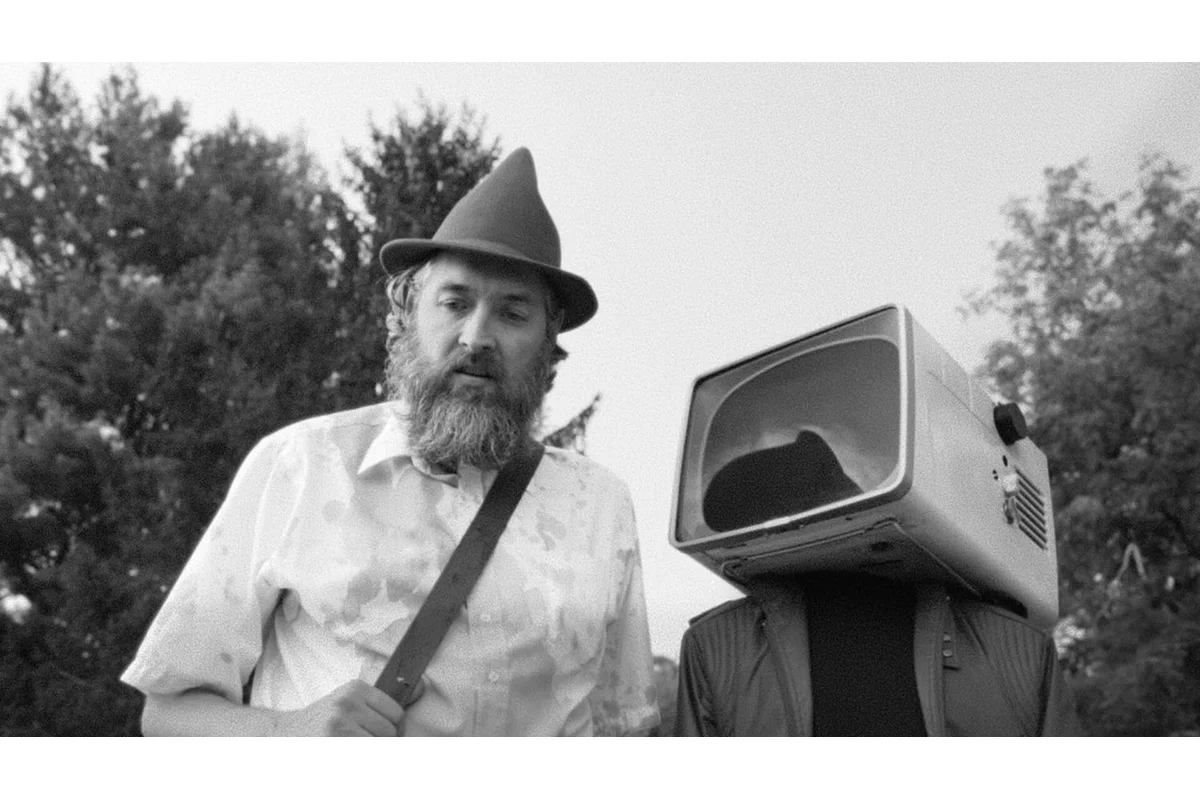
At the close of every year, when lists dominate online discussions, Steven Soderbergh’s Seen, Read lists cut through the noise, offering an authentic look into the acclaimed filmmaker’s world. These records, dubbed “Steven Soderbergh Seen Read Lists,” bypass self-promotion and industry trends, instead providing a refreshingly raw and detailed log of what a director of his caliber consumes and produces across the calendar year.
Soderbergh’s Approach to Year-End Lists
Lists are a staple of media tradition, drawing in both readership and debate as each year concludes. These published collections drive clicks, maintaining engagement and relevance for online platforms. Yet, amidst this proliferation, Soderbergh’s annual Seen, Read list stands apart, delivering substance over spectacle. Through his Soderblog, Soderbergh reveals every title he watched or read over the past year—spanning films, television series, books, plays, and sometimes newly discovered albums.
The format is unmistakably straightforward: for each day, he logs not only his media consumption but also milestones in his own professional journey, such as starting principal photography on new projects. Notably absent are attention-grabbing efforts; there’s no marketing angle or bid for followers. This understated style is precisely why the Steven Soderbergh Seen Read Lists have become a must-watch for readers wanting something more personal in film discourse.
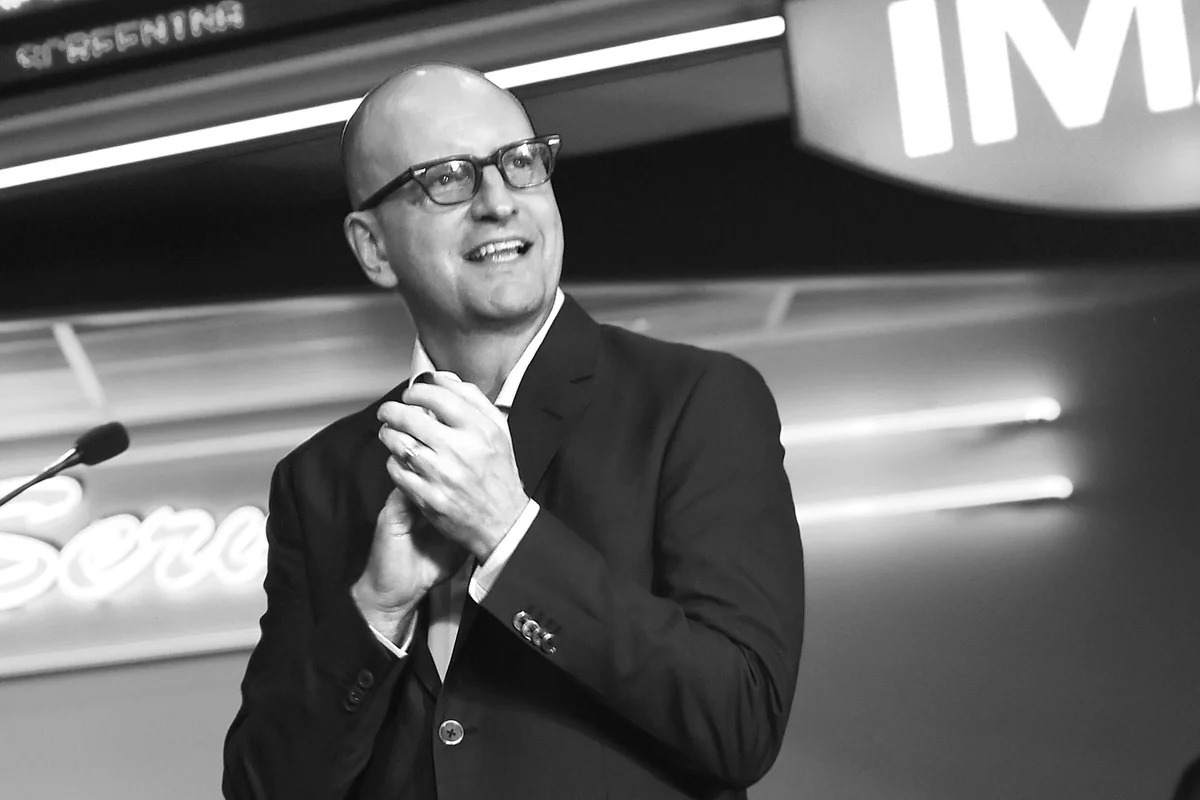
Comparing with Other Directors’ Public Lists
It’s not rare for artists to share the media that inspires them, but most published lists—like those from acclaimed directors Sofia Coppola, Guillermo del Toro, Wes Anderson, or Quentin Tarantino—take the form of deliberate, curated selections. For instance, Sight and Sound magazine occasionally polls filmmakers on their cinematic favorites, while podcasts and interviews present lists as conversation starters or marketing tools. Martin Scorsese’s recommended foreign film lists are another example, recirculated regularly online to foster debate among critics and cinephiles.
Unlike these curated counts, Soderbergh maintains a diary-like rigor, creating a chronological track record. The content isn’t up for debate, and there’s no room for discourse in the form of comments or ratings, unlike platforms such as Letterboxd, where filmmakers like Mike Flanagan or musicians such as Charli XCX openly interact with an audience. Soderbergh’s lists exist outside this social exchange, emphasizing his singular approach within the film industry.
Origins and Evolution of the Seen, Read List
Soderbergh’s Seen, Read tradition began in 2009 and shifted to the Soderblog in 2013. Initially, these lists were embedded among broader posts reflecting on art and filmmaking, reminiscent of early 2000s blogging culture. The director’s musings—such as revisiting rare episodes he filmed for Showtime’s Fallen Angels—provided context beyond the lists themselves. However, since 2017, the blog has largely become the platform for these yearly revelations, chronicling the evolution of his watching and reading habits alongside major career moments.
A Deliberately Unassuming Online Presence
Soderbergh’s method of sharing stands in sharp contrast to the industry norm. While news about high-profile projects, like a scrapped Kylo Ren Star Wars spin-off, circulates through his rarely spotlighted BlueSky account, he eschews overt displays of celebrity. Unlike Rian Johnson, who maintains verified, front-facing accounts, Soderbergh often shares updates quietly—posting about his annual list, new collaborations with Tony Gilroy on a potential James Bond film, and project announcements without typical fanfare.
This low-key digital identity belies his remarkable career: from being the youngest Cannes Best Director winner to helming box-office hits like the Ocean’s Trilogy, Soderbergh has remained a mainstay, delivering at least one project every calendar year since 1995. Yet his Seen, Read logs also reveal a grounded side—he’s as likely to binge reality TV, like Below Deck, as he is to consume critically acclaimed cinema.
Patterns and Highlights in Soderbergh’s Logs
Meticulous reading of multiple years’ logs uncovers recurring favorites. Classics like Jaws, Sunset Boulevard, and Citizen Kane appear time and again, forming a personal canon that also includes The Day of the Jackal, Sexy Beast, The Parallax View, Dr. Strangelove, and The Social Network. In 2010, for example, Soderbergh viewed The Social Network five times, even pairing two viewings with the cult oddity The Room by Tommy Wiseau.
Each year’s list provides a snapshot of his evolving interests. The 2025 edition saw highlights such as a day spent with The Sting, The Empire Strikes Back, The Haunting (1963), and the Australian Open Women’s Final. Soderbergh also documented completion of draft scripts for projects like The Other Hamilton—an ongoing HBO Max series with Don Cheadle—and a long-gestating TV version of The Sot-Weed Factor announced back in 2013. His transparency extends to works in flux, offering a rare window into the many hours invested in both realized and shelved projects.
Behind the Scenes: Crafting and Consuming Media
Soderbergh’s lists double as candid snapshots of a working filmmaker’s regimen. He noted, for instance, starting principal photography on Unsane—his 2018 iPhone-shot thriller—on June 1, 2017, and watching an early cut two weeks later. These granular details track his workflow and creative pivot points, while also documenting his development process beyond what reaches the public.
Among ongoing pursuits, Soderbergh’s research into the making of Jaws stands out. He has tracked his repeated viewings of the film and logged days spent poring over related biographies, documentaries, and original novels. The Seen, Read lists reveal that much of his time in recent years has been claimed by this as-yet-unpublished book about the elaborate production of Spielberg’s classic. Though he has not announced a release date, his logs trace the methodical steps of his research, painting a portrait of artistic process—and obsession—in real time.
The Challenge of Authenticity in Modern Filmmaking
Traditionally, the history of cinema has been chronicled by intermediaries: interviews, commentaries, and biographies produced long after the moment has passed. Layers of mediation often cloak artists, either by design or necessity, magnifying the enigmatic aspect of the industry and maintaining its mystique. Most directors and actors move through their careers with limited direct communication to the public, a byproduct of packed schedules and the relentless pace of professional life.
In today’s environment, even with an array of social media outlets theoretically granting every person a voice, the machinery of promotion dictates almost every interaction. Publicists arrange carefully timed interviews; festival press tours are increasingly dominated by influencers rather than journalists; and open-ended, in-depth conversations are eclipsed by short, scripted appearances. As a result, meaningful dialogue in film circles has only grown rarer, despite a proliferation of channels.
Soderbergh’s Rebellion Against the Promotional Machine
Steven Soderbergh could easily join the churn, given that 2025 alone saw him releasing three films: Presence in January, Black Bag in March, and The Christophers, which premiered at the Toronto International Film Festival. Instead, he offers an honest reflection of his creative routines through the Seen, Read lists—lending readers access to his private world as both a filmmaker and a fan. The lists are more than curiosities: they illuminate the balance between his consuming and producing, acting as a subtle but clear stand against the formulaic marketing that shapes so much film-related content.
Connecting Through Reflection and Influence
Soderbergh’s introspective 2023 blog entry about the revered film critic Pauline Kael touched upon the value he places on understanding varied perspectives. In his words,
I didn’t always agree with her, but that wasn’t the point. The POINT was you had to know what she thought, because she taught you how to look at and think about movies, and placed them in the context of works from other art forms.
– Steven Soderbergh, Director
Though there is no overt commentary within his Seen, Read lists, the act of compiling and sharing them mirrors what Soderbergh admired in Kael—placing his own work in the context of broader artistic expression. This practice, while not strictly critical, opens a vulnerable and honest window into his influences and creative mood, letting readers piece together the artist’s process from the titles and projects he revisits.
The Seen, Read List as an Alternative Statement on Identity
In the evolving world of social media, where individuals and their output are flattened into brands, the tendency is toward curation and image management. For many—even those on platforms like Letterboxd, where reviews and ratings are used to enhance personal brands—each judgment is a performance shaped by anticipation of audience response. This dynamic has blurred the lines between genuine engagement and self-promotion, making authenticity more elusive than ever.
Within this landscape, the Steven Soderbergh Seen Read Lists take on the role of manifesto, stating not just artistic preferences but the rhythms and realities of a filmmaker’s actual existence. The lists forgo the allure of commentary and debate, instead quietly declaring,
this is my work, and this is the life I maintain to produce that work.
– Steven Soderbergh, Director
The annual logs cut through artifice, making plain the oscillation between professional rigor and everyday indulgences—down to marathon sessions of unscripted television or repeated study of classic cinema. Through this, the human side of filmmaking steps forward, offering inspiration through its unaffected openness. Each entry reminds both industry insiders and casual observers that behind celebrated works are real processes, real roadblocks, and above all, real people.
As the media machine resets each new year with the same predictable cycles, Soderbergh’s Seen, Read lists suggest a quieter, steadier hope: the chance to engage directly with both art and artist, bypassing the layers of promotion, performance, and pretense that usually obscure both.
