
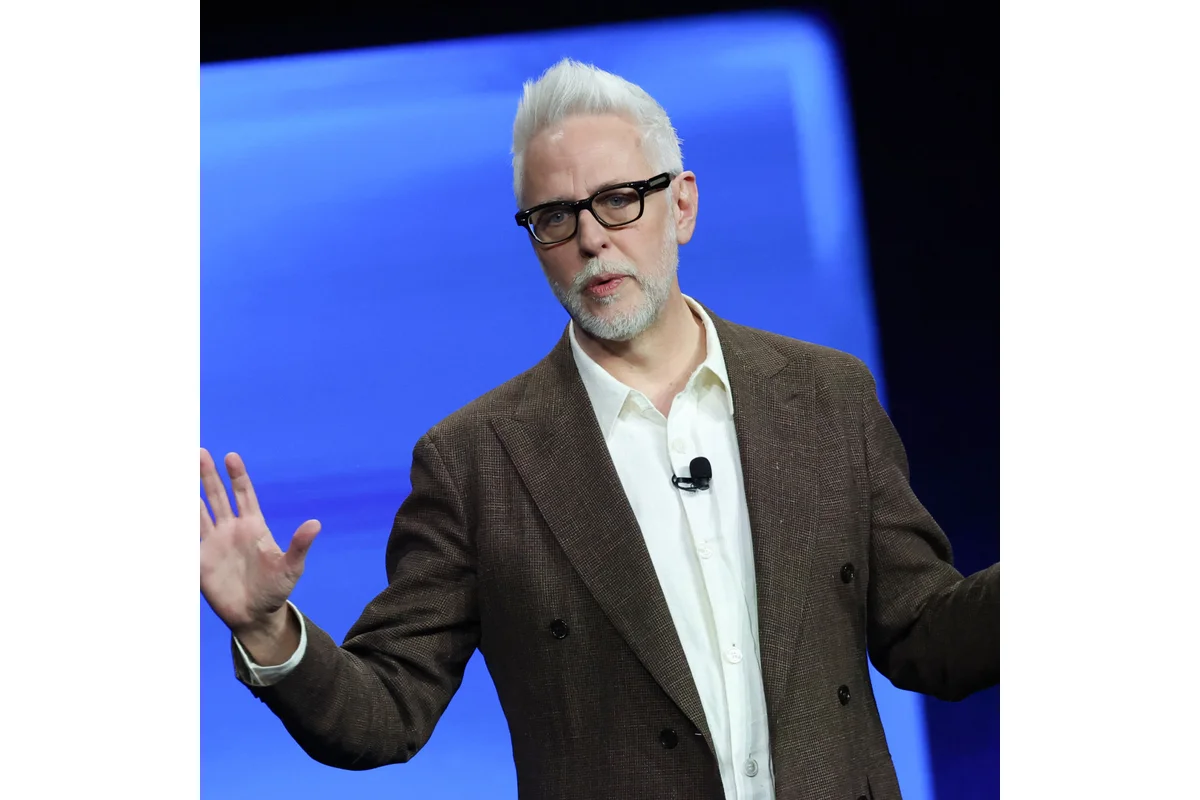
James Gunn DC universe ambitions are facing critical challenges as he leads DC Studios through an ambitious overhaul of film and television properties, with questions emerging about the sustainability of his hands-on approach. Gunn, celebrated for infusing comic book source material with emotional depth and mainstream appeal, is now at the forefront of building a new franchise model at a crucial time for the studio.
Leading the Charge to Reinvent DC’s Cinematic World
James Gunn has brought a unique blend of creativity and commitment to his leadership at DC Studios, a role that involves steering interconnected projects in film, television, and animation. With titles like Superman and Peacemaker season 2 in the pipeline, Gunn has proven not only his ability to deliver spectacle but also his talent for character-driven stories, setting a new direction for the DC franchise.
Gunn’s personal attachment to the material is clear—his past work took lesser-known characters like Peacemaker and made them part of the pop culture conversation, much as he did before with Marvel’s Guardians of the Galaxy. However, the scope of what he is being asked to achieve with DC Studios is vast, and the demand for seamless unity across platforms is greater than ever.
Balancing Creative Vision and Executive Demands
Taking on the dual role of studio head and lead creator means Gunn’s responsibilities are broader than any prior executive in the superhero genre. His hands-on involvement ranges from writing and directing major projects such as the upcoming Man of Tomorrow to overseeing franchise continuity and world-building across multiple platforms. This level of immersion is rarely seen among major Hollywood franchise leaders.
Despite his credentials and past successes, Gunn himself has expressed reservations about whether this all-encompassing approach to running DC Studios is sustainable for the long haul.
“I originally said no to the job. I didn’t want to do what Kevin Feige does. But once Peter and I realized we’d be doing it together, it became exciting. I still don’t know if it’s sustainable long-term. It’s a lot. There just aren’t enough hours in the day.”
— James Gunn, Interview
The scale of Gunn’s efforts has led to legitimate concerns about creative burnout, especially as he manages both executive responsibilities and major creative duties. With the demands of writing, directing, and overseeing continuity, even a deeply passionate creator may find their limits tested. The topic of fatigue and sustainability is central, not just for Gunn personally, but for the franchise overall as DC Studios enters an era of significant creative transformation.
Transition Planning for the Future: Beyond Gunn’s Leadership
Behind the scenes, James Gunn and his co-leader Peter Safran have likely considered the possibility of a future transition. Succession planning and ensuring creative continuity appear to be strategic priorities at DC Studios. Still, Gunn’s public remarks hint at a tenure that may prove shorter than original expectations, should the demands become unsustainable. If a leadership change comes sooner rather than later, DC Studios may confront a pivotal moment where identifying a worthy replacement is critical to maintaining momentum for its interconnected universe.
Comparing DC Studios’ Methods With Marvel’s Long-Term Strategy
The current DC Studios model differs significantly from Marvel Studios’ long-established structure. While Marvel’s Kevin Feige serves as a producer and coordinator—never writing or directing the films himself—he has crafted a model for long-term consistency and delegation. Feige’s endurance over eighteen years as MCU architect showcases a system built around shared responsibilities and organizational longevity, not direct authorship.
This contrast is central to understanding the stakes for DC Studios. Gunn’s method places creative identity at the forefront, delivering immediate cohesion by having a single vision shape the foundational years. This high-intensity style could bring rapid results and energize fans of both Superman and Peacemaker but also requires eventual delegation or a leadership change. Marvel’s structure, on the other hand, allows the creative lead to supervise broader strategies for decades, relying on collaboration with directors, writers, and other producers to execute each project.
Deciding Between Creative Intensity and Enduring Stability
James Gunn’s approach, in collaboration with Peter Safran, embodies a philosophy where personal vision and creative risk drive the early years of the James Gunn DC universe, while Marvel offers a model focused on stable, long-term management. The contrast between auteur-driven momentum and delegation for legacy building is shaping both studios’ futures.
The decisions made in the next few years—around Gunn’s sustainability, the handling of executive transitions, and the model for ongoing world-building—will determine whether the James Gunn DC universe can achieve the lasting impact fans hope for. For now, the franchise stands at a crossroads, facing both the promise of bold storytelling and the reality that no leader, no matter how gifted, can carry the burden indefinitely.
