Seth Rogen, known for overcoming major Seth Rogen career challenges, recently opened up about the crisis he faced following the release of “The Interview” in 2014. While Rogen is now celebrated for his creative contributions and is receiving some of the highest praise of his career for his work on “The Studio,” he admits that there was a moment when he feared his role in Hollywood might come to an abrupt end.
Successes and Setbacks Throughout His Hollywood Journey
Rogen is currently experiencing a golden era, having produced the hit film
“Teenage Mutant Ninja Turtles: Mutant Mayhem,”
and preparing to reboot beloved series like Darkwing Duck and Tailspin for Disney. Despite these achievements, his trajectory has not always been upward. Over the years, Rogen’s comedic style, often playing with dark humour and controversial topics, has occasionally landed him in hot water. For example, his film “Sausage Party” drew criticism for satirizing complex issues like the Israel–Palestine conflict.
His long-standing partnership with James Franco has also come under scrutiny, especially when Franco faced allegations of sexual misconduct. Rogen found himself needing to publicly clarify his position amid the controversy. However, nothing shook his confidence quite like the release of “The Interview.”
Rogen’s Candid Account of His Toughest Professional Moment
During a candid conversation with other comedians reported by The Hollywood Reporter, Rogen highlighted just how damaging the aftermath of “The Interview” felt to his career.
I’d say after The Interview came out was a much harder time in my career because I legitimately thought I had eliminated myself as someone who was viable to work with,
—Seth Rogen, Actor/Filmmaker.
He further discussed how the seriousness of the situation overshadowed his comedic efforts:
I was very worried that no comedy we made again would seem funny because it had been taken to this extremely serious place. I felt like maybe I’d pushed things further than you can come back from.
—Seth Rogen, Actor/Filmmaker.
The Global Fallout from “The Interview”
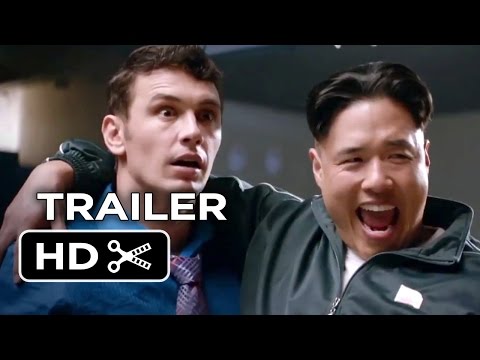
“The Interview,” co-directed with Evan Goldberg, saw Rogen take on the role of a TV producer thrust into a dangerous CIA plot involving North Korean leader Kim Jong Un, played by Randall Park. The fictional depiction of an assassination attempt became more than a film plot after Sony Pictures Entertainment was hacked by a group linked to the North Korean government. The hack had real-life political repercussions, further straining tensions between the United States and North Korea.
Kim Jong Un allegedly reacted with hostility to the film, and threats surfaced against cinemas willing to show it. As a result, several major theater chains refused to screen the movie, and its release was significantly limited, which forced it primarily onto online platforms.
Impact and Rogen’s Resilience Moving Forward
In spite of the international controversy and fears for personal safety that surrounded its release, “The Interview” ultimately remained a significant cultural moment rather than escalating into violence. It stands as a stark reminder of how a creative project can generate worldwide consequences. While there was a period when Rogen felt his career in Hollywood might be over, he rapidly regained his standing and continues to shape the entertainment industry.
Looking ahead, Seth Rogen’s ability to navigate public scrutiny and professional risk highlights the complex nature of working in Hollywood, especially when creative work intersects with global politics. His experience with “The Interview” exemplifies a pivotal Seth Rogen career challenge, one that has helped define both his resilience and ongoing influence in entertainment.