
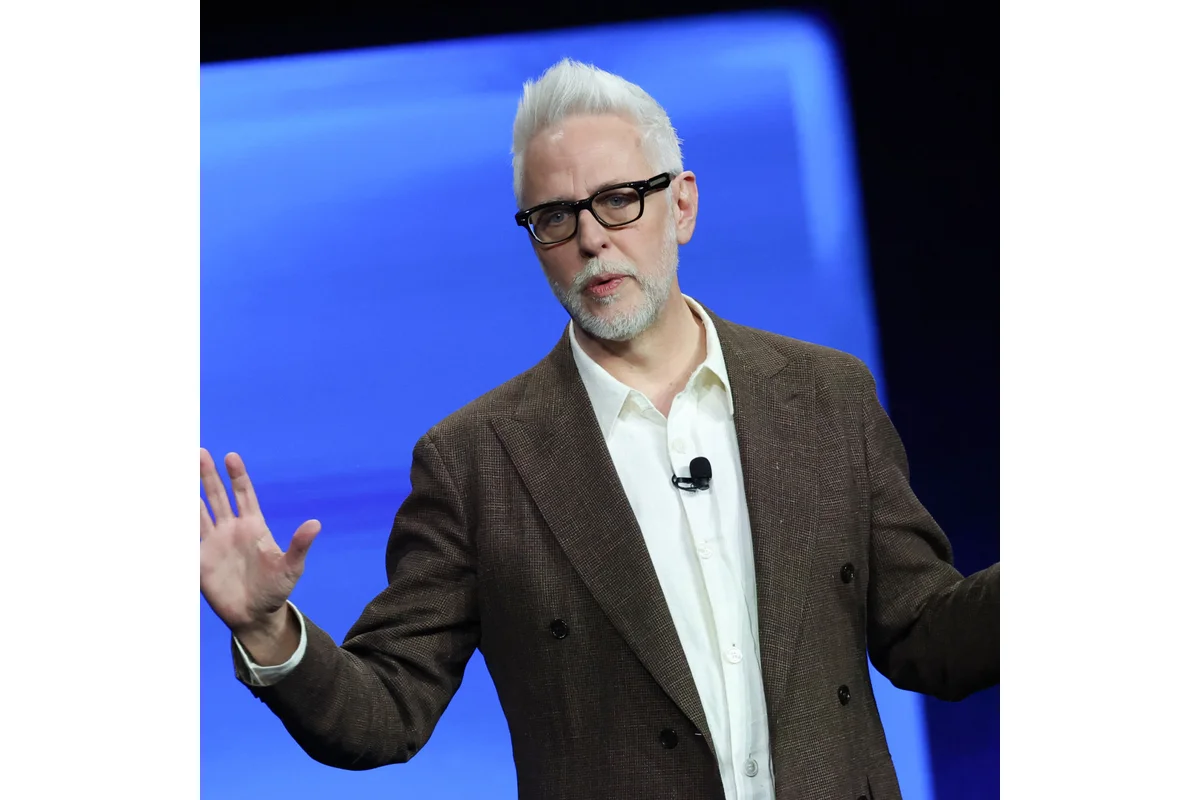
James Gunn future DC heroes projects have made a habit of spotlighting overlooked comic book characters, but as he reshapes DC’s live-action universe at Warner Brothers, there remain several heroes he is unlikely to bring to the big screen. Drawing on his past success with underdog characters, Gunn’s creative choices are now influenced by shifting studio priorities, character complexity, and respect for creator ownership, leading to some icons being left behind.
Major Bummer’s Culture Roots Pose a Challenge
Major Bummer, created by John Arcudi and Doug Mahnke, centers on Lou Martin—a Gen X slacker who stumbles into superpowers after some bungling aliens interfere in his life. The character’s powers, including immense strength and limited intelligence that only peaks during daydreams, were introduced in a comic series that debuted in 1997. While Major Bummer did not attract a mainstream readership, a fiercely loyal cult following has kept the character alive in DC fandom conversations.
The challenges, however, are steep. Not only does the concept feel locked in 1990s slacker humor that may not appeal to modern viewers, but legal realities complicate any adaptation. Both Arcudi and Mahnke hold rights over Major Bummer, and their approval would be essential before any cinematic appearance could proceed. Given today’s climate and the source material’s dated cultural trappings, it is unlikely Gunn will pursue this route despite his knack for reviving obscure figures.
The Forgotten Case of Triumph
Before Marvel introduced the Sentry, DC Comics released Triumph, conceptualized by Brian Augustyn, Mark Waid, and Howard Porter. Triumph debuted as a founder of the Justice League whose heroic sacrifice erased him from memory and cast him into limbo. Upon his return, Triumph joined the Justice League Task Force but quickly alienated his teammates due to his abrasive personality.
Triumph’s comic arc was marked by failure and controversy rather than triumph—he was removed from the league, nearly brought about global destruction, and eventually frozen as an ice statue by the Spectre before his demise during the Watchtower’s destruction by Prometheus. Dead since 2000 and absent even from retrospectives like The New History of the DC Universe, Triumph never became a fan favorite. The character’s abrasive nature might be within Gunn’s wheelhouse, but the profound lack of audience attachment means Triumph is almost certain to remain on the sidelines of James Gunn future DC heroes projects.
Mystek’s Short and Troubled Legacy
Mystek, another lesser-known creation courtesy of Christopher Priest and Manny Clark, made her debut in The Ray #12. Growing up in Queens, NY, and armed with equipment built by her kidnapped father, Mystek mistakenly tussled with Ray before joining the Justice League Task Force. Tragically, Mystek suffered from severe claustrophobia and died after ejecting herself into space during a mission with the team.
Priest purposely ended Mystek’s story to prevent DC from exploiting the character after misrepresenting ownership agreements. The limited number of Mystek’s comic appearances suggest that James Gunn may not even be aware of this character, but it is almost certain he would avoid using a hero whose legacy is tightly protected by its creator. Gunn’s reputation and respect for creators’ rights make it unlikely for Mystek to be included in the future lineup.
Madam Fatal’s Outdated Disguise Falls Flat Today
Once known for pushing the boundaries of comics, James Gunn appears less likely to court controversy now, a stance that puts characters like Madam Fatal out of consideration. Originally introduced in 1940’s Crack Comics #1, Madam Fatal is actually Richard Stanton, a middle-aged stockbroker who takes on the disguise of an elderly woman to combat crime. The central gimmick plays on stereotypes, where criminals underestimate an old woman, but the identity remains rooted in outdated and problematic ideas.
While the current cultural landscape allows for better transgender representation, Madam Fatal does not reflect modern sensibilities. The premise of a male hero exploiting gender norms for tactical advantage stands apart from authentic LGBTQ+ representation, making it improbable that James Gunn would bring Madam Fatal into view. The character’s sporadic appearances, such as a mention by Wildcat stating Stanton’s death and isolation at his funeral, reflect universal reluctance to revisit this figure.
Doctor Manhattan Remains Untouchable
Doctor Manhattan, conceived by Alan Moore and Dave Gibbons for Watchmen, was later woven into DC Universe continuity despite Moore’s vocal objections to such use of his creations. The Watchmen film and series adaptations already stirred resentment over creative rights, making any new attempt just as contentious.
Gunn’s upcoming DC films already face ongoing scrutiny from fans loyal to the Zack Snyder DCEU, and any attempt to revisit Watchmen’s characters—especially Doctor Manhattan—risks further inflaming debates within the community. With the unmatched narrative standard set by Moore and Gibbons, and the charged history of creative disagreement, Doctor Manhattan is likely to stay confined to the original graphic novels rather than invited into Gunn’s new era.
As James Gunn future DC heroes films take shape, his choices reflect not only a desire to balance cultural expectations and creative respect, but also an understanding of how dated, obscure, or controversial characters can derail audience engagement. Whether due to tangled ownership rights, problematic origins, or simply lacking fan support, these five DC heroes are set to remain in the comics for the foreseeable future, reinforcing the challenges facing any new cinematic universe that hopes to both innovate and honor its complex past.
