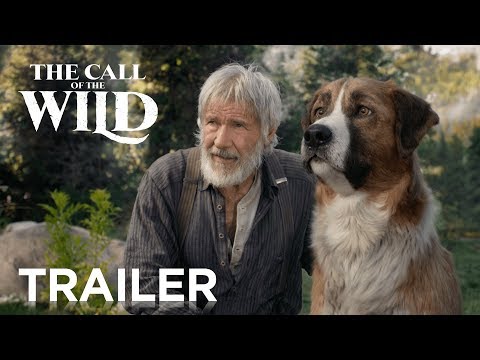
Harrison Ford shared insights into why the 2020 film The Call of the Wild was a deeply personal project for him, reflecting on his connection to the character John Thornton and the experiences on set. The adaptation of Jack London’s classic novel provided Ford with an opportunity to bring parts of his real personality to the screen, a rarity in his storied career as one of Hollywood‘s most recognizable stars.
Taking On a Unique Role in an Unusual Production
Harrison Ford, known for playing legendary roles such as Indiana Jones and Han Solo, faced a new challenge with The Call of the Wild, which featured a computer-generated dog voiced and physically performed by human actor Terry Notary. Set against the backdrop of Canada‘s Yukon during the late 1800s, Ford played John Thornton, an aging but resilient frontiersman. In this role, he was not at the center of the story, as the focus turned to Buck, the highly animated CGI dog—a creative choice that polarized critics and audiences alike.
The film debuted in February 2020, just weeks before worldwide lockdowns due to the Covid-19 pandemic, and its unconventional approach to CGI characters placed it squarely in the so-called “uncanny valley.” The end result was a significant box office loss for 20th Century Studios, reportedly reaching up to $100 million. Despite these setbacks, Ford embraced the project for reasons that went far beyond commercial success or typical Hollywood expectations.

Why Ford Felt a Personal Connection to John Thornton
During an interview with Pipeline Artists, Harrison Ford disclosed how portraying John Thornton resonated with him on a personal level. He explained,
That’s a curated collection of the aspects of my personality, my understanding, my conviction. And that’s not always what you’re dealing with in the portrayal of a character, but that’s the fit in this case. Fits like a glove.
– Harrison Ford
Observers noted that the similarities between Ford and his on-screen character extended well beyond surface traits. Thornton’s deep respect for nature and solitude mirrors Ford’s own long-standing environmental activism and preference for privacy. Over the years, Ford has not only participated in campaigns for conservation but also directly confronted governmental inaction, at one point provoking a diplomatic incident with the Indonesian government over their environmental policies. His passion for the natural world is further commemorated by several animal species named after him—including, in a twist of irony, a snake.
Solitude and Authenticity: Parallels Between Life and Screen
Ford’s reputation for wishing to avoid the spotlight aligns with how he portrayed John Thornton. The actor’s aversion to press events and publicity is well documented, reinforcing the authenticity with which he inhabited the role. While Ford may never spend months panning gold in the Arctic wilderness, he has often expressed a desire to spend time at his ranch, flying planes or enjoying quiet moments away from the public eye.
This personal alignment with Thornton allowed Ford to explore facets of himself that are seldom visible in his more mainstream roles. In The Call of the Wild, the boundaries between actor and character became blurred, providing Ford a unique platform to reflect parts of his identity through the medium of film.
Measuring Success Beyond Box Office Numbers
Though The Call of the Wild struggled critically and financially, Ford’s experience on the project was about more than numbers. The freedom to tap into his personal convictions and interests made the work especially rewarding. As someone accustomed to the pressures of producing blockbuster hits, Ford was open about the satisfaction he derived from a project that allowed self-expression, even if it remained underappreciated by mainstream audiences.
The story behind Harrison Ford Call of the Wild illustrates how the significance of a film can transcend commercial performance. For Ford, the project was a rare chance to unite character and self, providing both challenges and fulfillment as he explored new creative ground in a career marked by iconic adventures and action.
Looking ahead, Ford’s reflections on The Call of the Wild may encourage other actors to seek roles that provide similar honest connections, even if the results defy industry expectations. The film’s legacy, while unique, underscores the continuing importance of meaningful character portrayals in Hollywood.