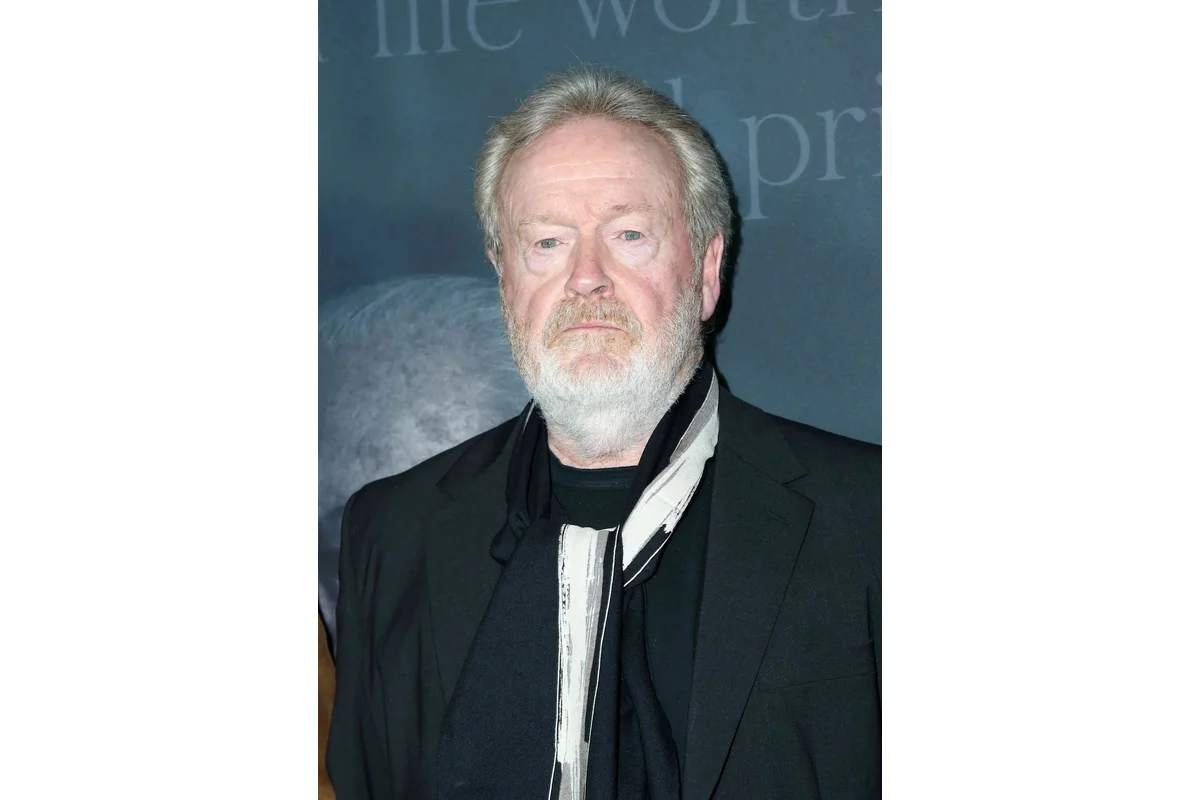
Ridley Scott, known for creating influential works across various genres, has shared his top three films of all time, shedding light on the creative inspirations behind his diverse career. His selections, together forming the core of Ridley Scott favorite films, reveal influences that continue to shape his directing style, from expansive epics to intricately staged action sequences.
Scott’s Genre-Spanning Career and Influences
Ridley Scott is recognized for his versatility, rarely staying within the confines of a single genre. While science fiction does not appear among his favorite films, Scott himself directed groundbreaking entries like Alien and Blade Runner, both of which have had a profound and lasting impact on the sci-fi landscape. These films have inspired countless modern filmmakers, many of whom acknowledge their debt to Scott’s visionary approach.
Scott’s foray into fantasy was brief, with only one major effort: Legend. The film paired him with a young Tom Cruise, early in Cruise’s journey to Hollywood stardom. Despite its ambition, Legend was not well-received, prompting both Scott and Cruise to move away from the fantasy genre in future projects.
A Turn Toward Historic Epics
In the early 2000s, Scott reignited interest in the historical epic with Gladiator, a film that not only won five Academy Awards, including Best Picture, but also revived a genre that had largely faded from the spotlight. Since then, he has gravitated repeatedly toward grand productions set in the ancient and medieval past.
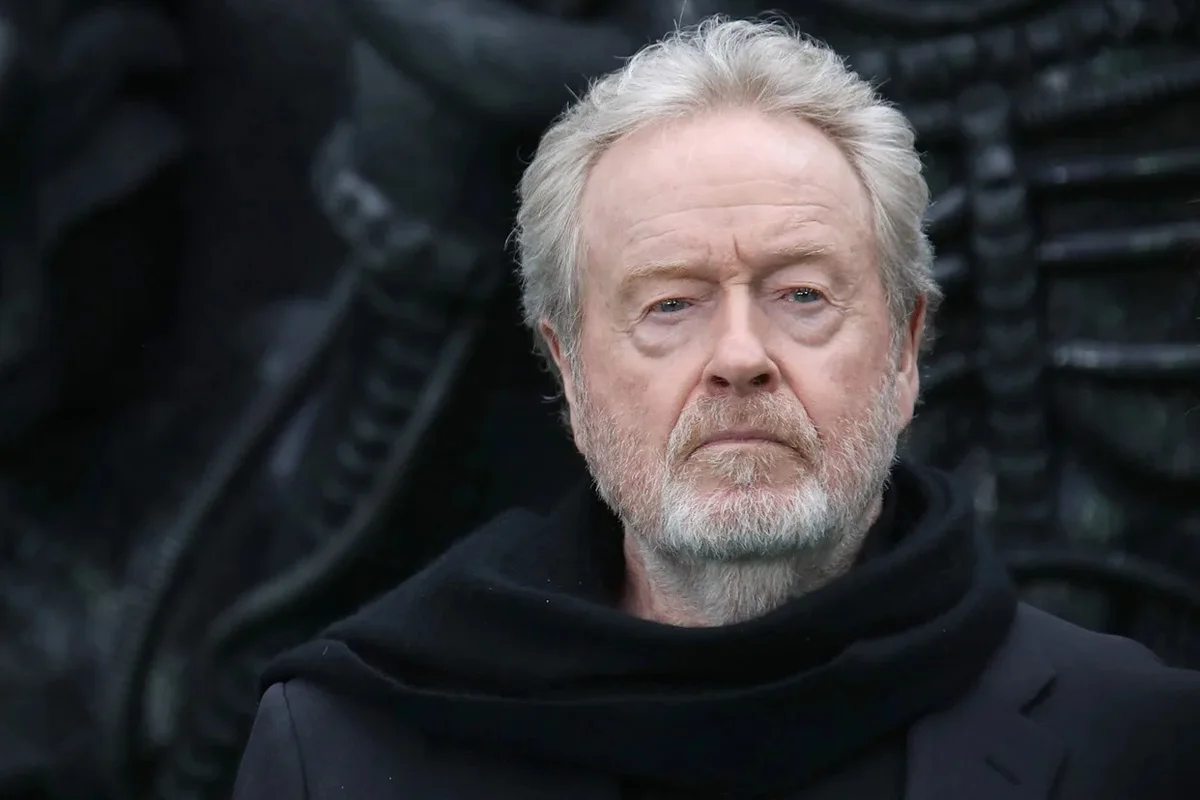
Long before Gladiator, Scott had already dabbled in historical storytelling with titles like 1492: Conquest of Paradise. While that film did not achieve significant acclaim, it set the stage for many of his later works, which featured renowned ensemble casts and vivid historical settings. In the years following Gladiator, Scott produced and directed a series of expansive epics such as Kingdom of Heaven, Robin Hood, Exodus: Gods and Kings, The Last Duel, and Napoleon, as well as a forthcoming sequel to Gladiator.
This continued focus on ambitious historical narratives is closely linked to Scott’s choice of favorite films, particularly Lawrence of Arabia by David Lean. He discussed this in an interview with the BBC, emphasizing the film’s sweeping grandeur and careful attention to detail, both hallmarks of his own work.
Lean, Kurosawa, and Welles: The Directors Who Shaped Scott
Lawrence of Arabia stands as one of cinema’s most celebrated achievements, regularly cited by both fans and leading filmmakers—including Steven Spielberg—as a benchmark for epic storytelling. Spielberg has even shared that he watches the film before starting any new project, highlighting the film’s enduring influence on creative minds.
Scott’s signature blend of large-scale action and visual mastery owes much to another of his favorites: Akira Kurosawa’s Seven Samurai. The legendary Japanese director’s innovative techniques, particularly his use of multiple cameras to capture dynamic scenes, have inspired directors across the globe. Akira Kurosawa explained his process:
“If I had filmed it in the traditional shot-by-shot method, there was no guarantee that any action could be repeated in exactly the same way twice. So I used three cameras rolling simultaneously. The result was extremely effective, so I decided to exploit this technique fully in less action-filled drama as well, and I next used it for I Live In Fear (1955).”
— Akira Kurosawa, Director
Many elements of Scott’s style—breathtaking scope, attention to mise-en-scène, and layered action—can be traced directly to the combined legacies of David Lean and Akira Kurosawa. Their enduring masterpieces have repeatedly inspired not only Scott, but generations of filmmakers who strive for both visual spectacle and narrative depth.
The Singular Legacy of Citizen Kane
The third film completing Ridley Scott’s list is Citizen Kane by Orson Welles, often hailed as a defining moment in cinema history. While there is little in Scott’s own body of work that matches the singular, character-driven drama and innovative narrative structure of Welles’ film, its influence remains unmistakable in the world of movies. Welles’ debut, released when he was still in his twenties, showcased an unprecedented level of creativity and vision, forever changing how films could be made.
Few directors have managed to equal Welles’ achievement with Citizen Kane, a film that continues to be revered for its unique storytelling and bold artistic choices. Although Scott’s most lauded films veer toward the magnificent and extraordinary, his respect for Citizen Kane highlights his appreciation for cinema’s foundational milestones, as well as its continued power to challenge and inspire artists of every generation.
Ridley Scott’s Top Three Films and Their Impact
According to the acclaimed director, the Ridley Scott favorite films and their creators are as follows:
1. Seven Samurai by Akira Kurosawa — This influential Japanese epic is renowned for its pioneering action sequences, multi-camera techniques, and richly drawn characters, many of which echo in Scott’s ambitious battle scenes and ensemble storytelling.
2. Citizen Kane by Orson Welles — Welles’ landmark debut remains a standard-bearer for innovation and artistic independence, representing a model of creativity and technical prowess that continues to inspire directors today.
3. Lawrence of Arabia by David Lean — This grand historical epic set the gold standard for cinematic scale and epic narrative, elements that Scott has repeatedly aimed to emulate in films such as Gladiator and Kingdom of Heaven.
Why Scott’s Choices Matter for Film Lovers and Filmmakers
Scott’s favorite films offer insight into both his creative approach and the storytelling traditions he admires. Each selection stands as a cinematic milestone, embodying values—such as innovation, visual spectacle, and emotional resonance—that have shaped Scott’s own contributions to Hollywood. The enduring legacy of directors like David Lean, Akira Kurosawa, and Orson Welles is evident in films across genres, just as it is in modern works by filmmakers like Steven Spielberg, who counts Lean’s influence among his own.
For new audiences and aspiring filmmakers, Ridley Scott’s picks highlight the types of bold, visually driven cinema that continue to resonate throughout the art form. As Scott readies his anticipated Gladiator sequel and continues his journey through historical storytelling, the ongoing impact of his favorite films will remain visible, inviting viewers to revisit the classics that shaped his remarkable career.