
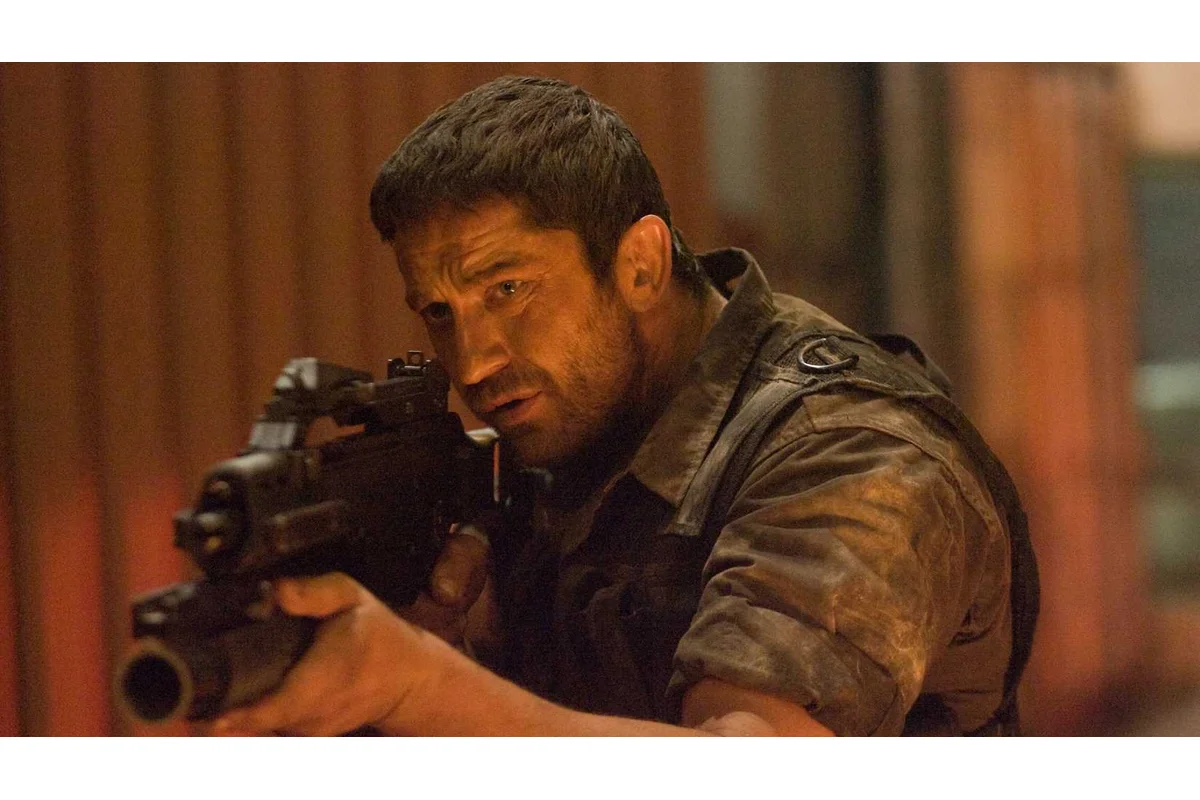
Gerard Butler Greenland 2 Migration serves as the next chapter for John Garrity and his family, plunging them into ongoing adversity five years after the catastrophic Clarke comet. Released straight to video-on-demand in 2020, the original film offered both escapist drama and a tale of survival, and now, the sequel pushes that narrative further by reopening wounds both literal and emotional for characters and viewers alike.
Evolving Survival: Hope Dims in the Sequel
In Greenland, director Ric Roman Waugh and writer Chris Sparling created an emergency scenario where the only priority was family survival, closing with a glimmer of hope after devastation. Greenland 2: Migration, however, subverts this sense of optimism. The sequel wastes little time retconning the ending of its predecessor: as Butler’s John Garrity narrates over montages from the first film, viewers learn the family’s hope was short-lived—they were forced to remain in the bunker for an additional five years rather than emerging into safety.
The film’s attempts to align its narrative with the real-world trauma of the COVID-19 pandemic result in layers of emotional heaviness. Actors Gerard Butler, Morena Baccarin (as Allison), and Roman Griffin Davis (now portraying Nathan) Garrity each reflect the passage of time and the tolls taken by ongoing catastrophe. The rationale for their extended isolation is murky at best, with mentions of dangerous air and possible radiation exposure, poorly justified by fleeting scientific explanations and frequently forgotten by the plot. Butler’s repeated, noticeable cough hints at radiation sickness but is treated more as a cinematic device than a real obstacle.
Disaster and Disorder: From Peril to Routine
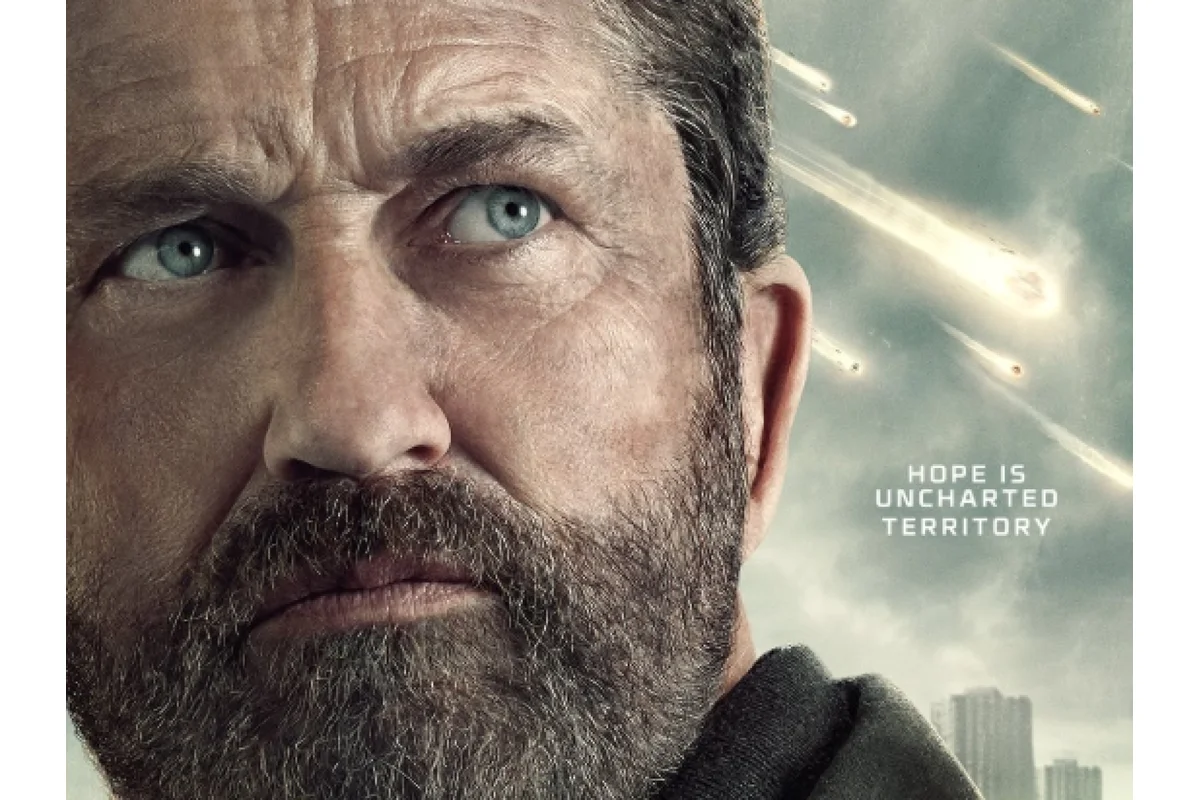
The once tense dynamic that defined the Garrity family’s journey through disaster in the original film has waned. Their forced evacuation from the bunker is prompted by an unexplained earthquake—a hazard that, like many in Greenland 2, seems to exist only to serve the script’s need for dramatic moments. Scenes of environmental aftermath, like the shards of the Clarke comet still hovering above Earth and the chaotic lightning storms, provide occasional excitement, but lack consistency or real menace, making survival feel oddly effortless.
getting into the bunker at the last minute
The new threats, including hazardous weather and rogue tremors, are overshadowed by the predictability of the family’s journey. Their experiences with other survivors, scattered communities, and varied denizens of the post-apocalyptic landscape are marked by a surprising lack of resistance or tension. The Garritys move through these encounters largely unchallenged, their path to survival increasingly smooth compared to the coated anxiety of the first film.
A Journey Fueled by Denial and Yearning
After fleeing Greenland, John, Allison, and Nathan set their sights on Europe. London, now fallen and ruined, is quickly bypassed in favor of France—the site of the comet’s initial impact. Here lies a rumored safe haven, possibly untouched by the environmental disaster, where hope of a new Eden emerges. Secondary scientists offer convoluted guesses as to why this region is habitable, but the script centers its focus on the family’s relentless move toward safety.
Military skirmishes and shoot-outs are sprinkled into their odyssey, but these conflicts lack true stakes. This further emphasizes the film’s reluctance to challenge its protagonists in any substantial way. The actors—Gerard Butler, Morena Baccarin, Roman Griffin Davis, Amber Rose Revah, Gordon Alexander, Peter Polycarpou, William Abadie, and Tommie Earl Jenkins—inhabit a story driven more by wishful thinking than by confrontation with harsh realities.
Relationships Flattened as Tension Dissipates
The qualities of panic and moral ambiguity marking the first film’s depiction of disaster have been diluted. John Garrity’s prior internal struggle for redemption, defined partly by personal failings and marital strains, is missing in Greenland 2. Now, the family is depicted as united and emotionally untroubled, robbing the film of earlier nuanced conflict. Scenes that could have explored John’s visible illness or the weight of surviving devastation are instead brief and unexamined. Instead, virtually every character they meet is accommodating, ensuring the family reaches their destination without serious setback.
Escaping Reality: Utopian Hopes Amid Global Trauma
This persistent helpfulness from others, combined with the film’s refusal to engage authentically with trauma, creates a sense of denial throughout. Early in the story, John’s session with a therapist inside the bunker exposes an uncomfortable truth: the government has prioritized mental health professionals over surgeons, hinting that survivors need help processing deep psychological pain after global disaster. Yet the narrative sidesteps this, favoring a fantasy where a mythical piece of untouched land allows the characters to ignore the suffering and destruction experienced by the wider world. The story becomes a metaphor for avoidance, as Gerard Butler’s character barrels forward, determined not to change despite overwhelming evidence to the contrary.
Looking Ahead: The Sequel’s Release and Its Prospects
Greenland 2: Migration, guided by director Ric Roman Waugh and writers Mitchell LaFortune and Chris Sparling, is scheduled for release on January 9, 2026. The film’s cast, featuring Gerard Butler and an ensemble of key actors, navigates a cinematic world marked not just by its environmental hazards, but by its emotional detachment and hands-off approach to trauma. As the global audience awaits the film’s debut, the question remains whether this next chapter in the saga will offer catharsis, or simply further distance from reality for viewers seeking meaning beneath its spectacle.
