
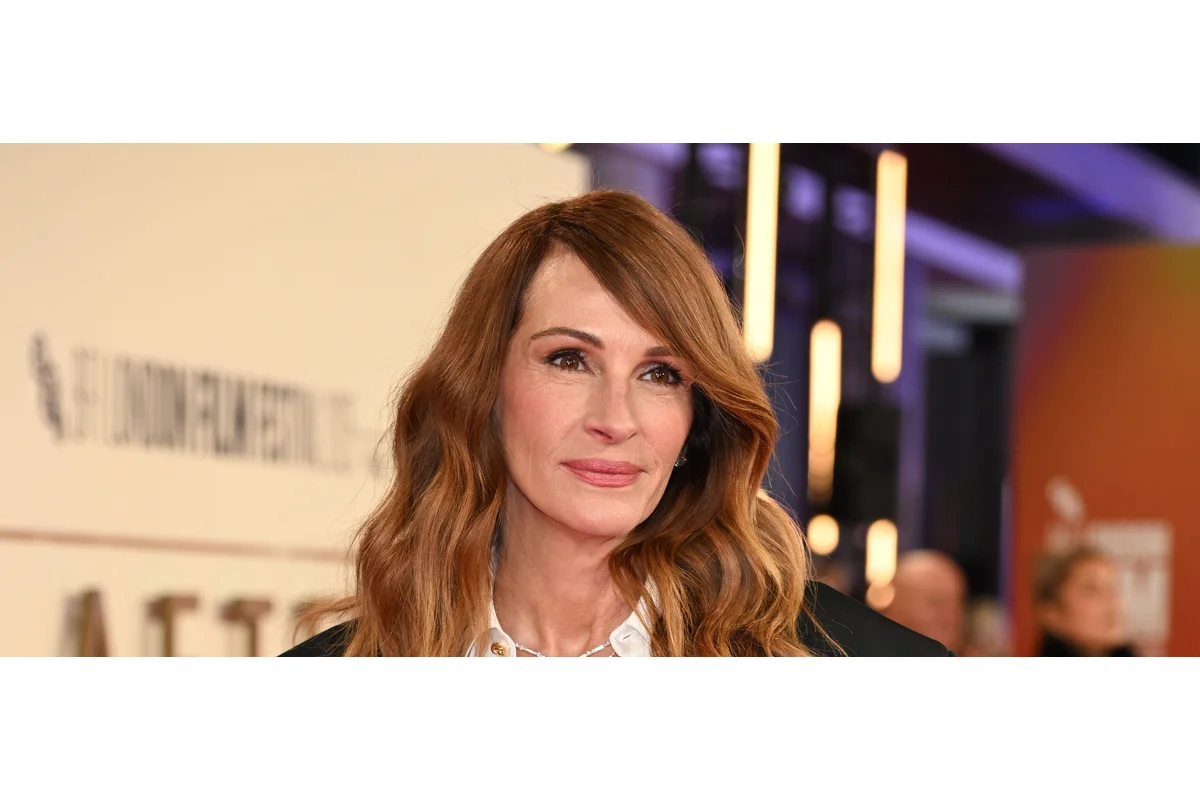
The casting of Julia Roberts in Notting Hill stands as one of the most memorable choices in romantic-comedy history, yet she initially doubted the project and nearly declined the opportunity. Released in 1999, Notting Hill tells the story of bookshop owner Will Thacker, played by Hugh Grant, who develops an unexpected romance with movie star Anna Scott, portrayed by Roberts, set against the backdrop of the vibrant London neighborhood—an ensemble that would help define the film’s legacy.
Julia Roberts Questions the Notting Hill Casting
When discussing her experience with Julia Roberts Notting Hill casting, Roberts candidly revealed to Deadline her hesitation upon first hearing of the film’s concept. She initially thought the premise sounded improbable, questioning the logic of playing a global celebrity in a seemingly ordinary love story. It was only after reading the script and meeting with director Roger Michell, writer Richard Curtis, and producer Duncan Kenworthy that her perspective shifted.
She recalled,
Gosh, I just remember when my agent called me about Notting Hill and I thought, ‘Well, that sounds like the dumbest idea of any movie I could ever do. I’m going to play the world’s biggest movie star and I do what? And then what happens? This sounds so f*cking stupid.’ And then I read the script, and I was like, ‘Oh. This is so charming. It’s so funny. Oh, sh*t.’ And then I went to lunch with Richard [Curtis] and [producer] Duncan [Kenworthy] and beloved Roger Michell, may he rest in peace.
– Julia Roberts, Actress
How Meeting the Creative Team Changed Everything
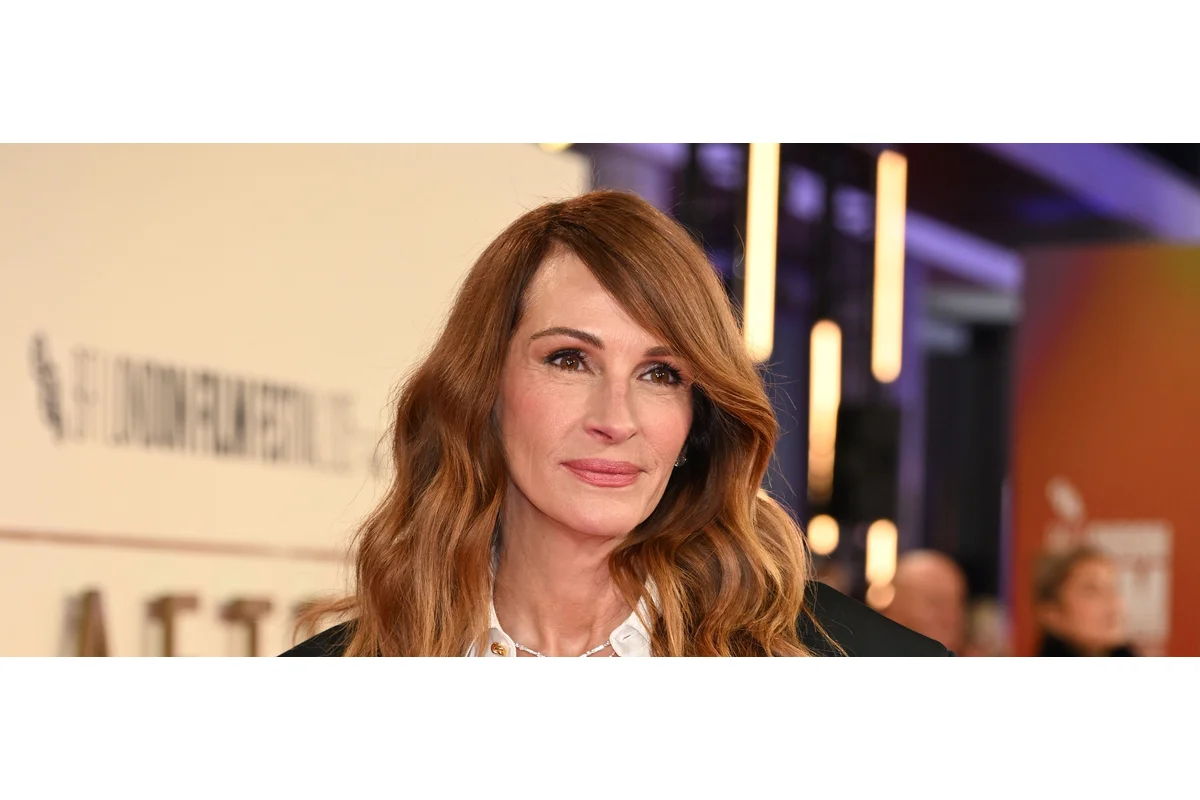
Despite her initial doubts, Julia Roberts planned to decline the offer before meeting the creative team. However, the meeting with Curtis, Kenworthy, and Michell swayed her opinion, and she found herself drawn in by their approach and personalities. Their collective enthusiasm and vision for the movie convinced her to take on the role of Anna Scott.
“They were just so charming and sweet and funny. And I thought, ‘Wow, this is really going to happen.’ And we had a beautiful time doing it. It was cast to perfection, all the friends, everybody. It was so great. And we had a beautiful time. And I think Roger, he just created the film in a way that it just, at every turn, it succeeded.”
– Julia Roberts, Actress
This transformative encounter not only led to Roberts joining the film, but also contributed to an environment on set that she fondly remembered, crediting the collaborative spirit and the meticulous attention to casting for the success of Notting Hill.
A Glimpse into Roberts’ Unfulfilled Roles
Fans familiar with Julia Roberts may not realize that she was originally chosen for another significant part in cinematic history—Viola de Lesseps in Shakespeare in Love. Producer Edward Zwick recounted the challenges that arose as Roberts was being considered for the role, which ultimately went to Gwyneth Paltrow after a turbulent set of auditions.
“Even as Ralph [Fiennes, who auditioned] did his best to elicit the famous smile, Julia barely acknowledged him. I’m not suggesting she was deliberately sabotaging, but it was a disaster nonetheless. I tried to catch Ralph’s eye to apologize as he left, but he couldn’t get out of there fast enough. After he was gone, I turned to Julia, awaiting her reaction. ‘He isn’t funny,’ is all she said.”
– Edward Zwick, Producer
Other notable actors such as Hugh Grant, Colin Firth, and Rupert Graves also auditioned opposite Roberts for the role. However, only Paul McGann was agreed upon by Roberts to perform a screen test with her, an experience that did not meet expectations.
On the morning of the test, Julia emerged from makeup, looking radiant in full period costume. But once she began to say the words, something was wrong. There was no magic. The problem wasn’t the script. Or Paul McGann. It was Julia. From the moment she began to speak, it was clear she hadn’t been working on the accent.
– Edward Zwick, Producer
After these unsuccessful attempts, Roberts quietly checked out of her London accommodation and left the country, leaving the production team to eventually select Paltrow for the award-winning part.
Notting Hill’s Principal Cast and the Chemistry That Defined the Film
A crucial element that made Notting Hill endearing to audiences was its carefully selected cast. Hugh Grant played William Thacker, whose understated wit and vulnerability served as a perfect counterpart to Julia Roberts’s portrayal of the glamorous but complex Anna Scott. Supporting actors Gina McKee and Tim McInnerny, playing Bella and Max, respectively, enriched the ensemble dynamic, offering a web of friendships that resonated with viewers and contributed to the film’s authenticity.
Enduring Impact of the Casting Choice
Julia Roberts Notting Hill casting proved pivotal, demonstrating how the interplay between star power, directorial vision, and script quality can create timeless cinematic moments. While her journey to the part was marked by hesitancy and previous near-misses in other celebrated roles, her ultimate decision redefined romantic comedies for years to come. The film remains a touchstone in her career and a cultural icon for audiences worldwide, continuing to spark discussion about chance, chemistry, and casting decisions in the movie industry.
