
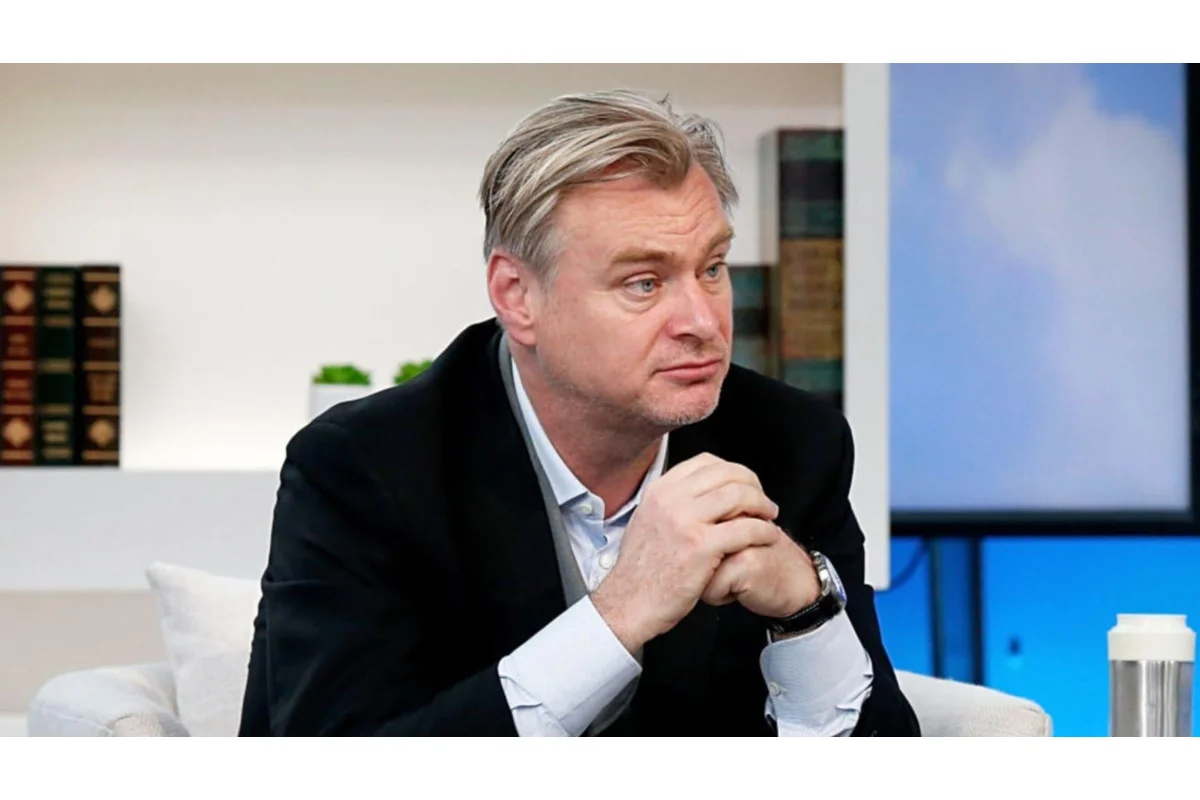
Filmmaker Christopher Nolan recently reopened his conversation around Stanley Kubrick’s Eyes Wide Shut, sharing his evolving views on the film ahead of its release for free streaming on Tubi on February 2. This reflective discussion comes as the movie, once controversial, is now acclaimed and has inspired renewed interest from both audiences and critics, putting
“Christopher Nolan on Eyes Wide Shut”
at the heart of current film discourse.
Nolan Shares His Initial and Evolving Reactions
Eyes Wide Shut, featuring Tom Cruise as Dr. Bill Harford and Nicole Kidman as Alice Harford, debuted to a mix of praise and skepticism. The drama not only made headlines for its challenging themes and Kubrick’s distinctive approach but also coincided with the real-life marital difficulties between its leading stars. Despite now enjoying a 76% critics’ score and being regarded as a signature work from Kubrick, Christopher Nolan openly recounted his early disappointment with the movie.
In past interviews, the Dunkirk director expressed his anticipation and subsequent disillusionment after seeing Eyes Wide Shut for the first time. Over time, however, he has revisited the film and found fresh meaning in its narrative and execution.
“Watching it with fresh eyes, it plays very differently to a middle-age man than it did to a young man,”
Christopher Nolan observed, illustrating how the film’s complexity gradually resonated with him more deeply. He added,
“There’s a very real sense in which it is the 2001 of relationship movies,”
further highlighting his growing appreciation for Kubrick’s exploration of relationships, reminiscent of the director’s previous masterpieces.
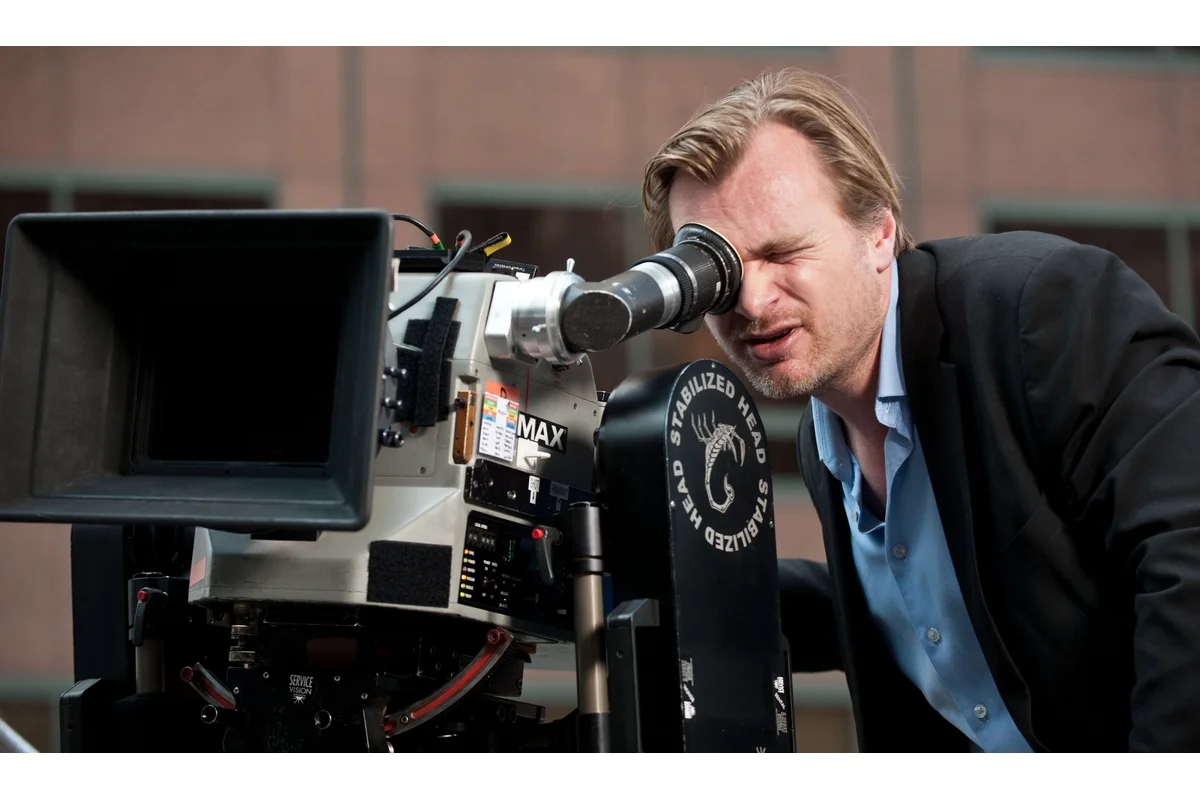
The Distinctive Place of Eyes Wide Shut in Kubrick’s Body of Work
Compared to Kubrick’s legacy titles such as 2001: A Space Odyssey, The Shining, Full Metal Jacket, and A Clockwork Orange, Eyes Wide Shut breaks away with its focus on romance and psychological drama. Diverging from horror, sci-fi, and war genres that characterized much of his career, Kubrick co-wrote the film with Frederic Raphael, adapting Arthur Schnitzler’s 1926 novella Dream Story. The narrative follows the Harfords’ emotional and intimate journey, unraveling their desires and vulnerabilities in a tense, sensual game of discovery.
Cast members such as Marie Richardson and Todd Field joined the leading stars, enriching the film’s dynamic character ensemble and contributing to the intense exploration of marital fidelity and personal longing. The project, though different from Kubrick’s earlier works, underscores his ability to infuse a familiar subject with new, unsettling energy.
The Film’s Reception and Debate Over Kubrick’s True Vision
Despite encountering resistance from some critics and a share of audiences, Eyes Wide Shut drew significant attention at the box office, grossing $162.1 million against its $65 million budget. Kubrick submitted his finished cut to Warner Bros. shortly before his death, leaving an atmosphere of speculation over whether the final released edition matched his cinematic intentions. While the completed film stands as Kubrick’s last, studio interventions in post-production and the enigmatic nature of his artistic choices continue to fuel debate among cinephiles and scholars interested in his legacy.
With the upcoming free release on Tubi, fans of Kubrick, Nolan, and classic cinema have another occasion to experience or reevaluate this layered film. The renewed spotlight may further shape discussions about the director’s intentions, the performances of Tom Cruise, Nicole Kidman, Marie Richardson, and Todd Field, and the enduring curiosity around films that push boundaries, both on-screen and behind the scenes.
Eyes Wide Shut, more than two decades after its debut, continues to prompt reflection among filmmakers and movie fans—especially as figures like Christopher Nolan offer candid insights on its lasting power and complexity.
