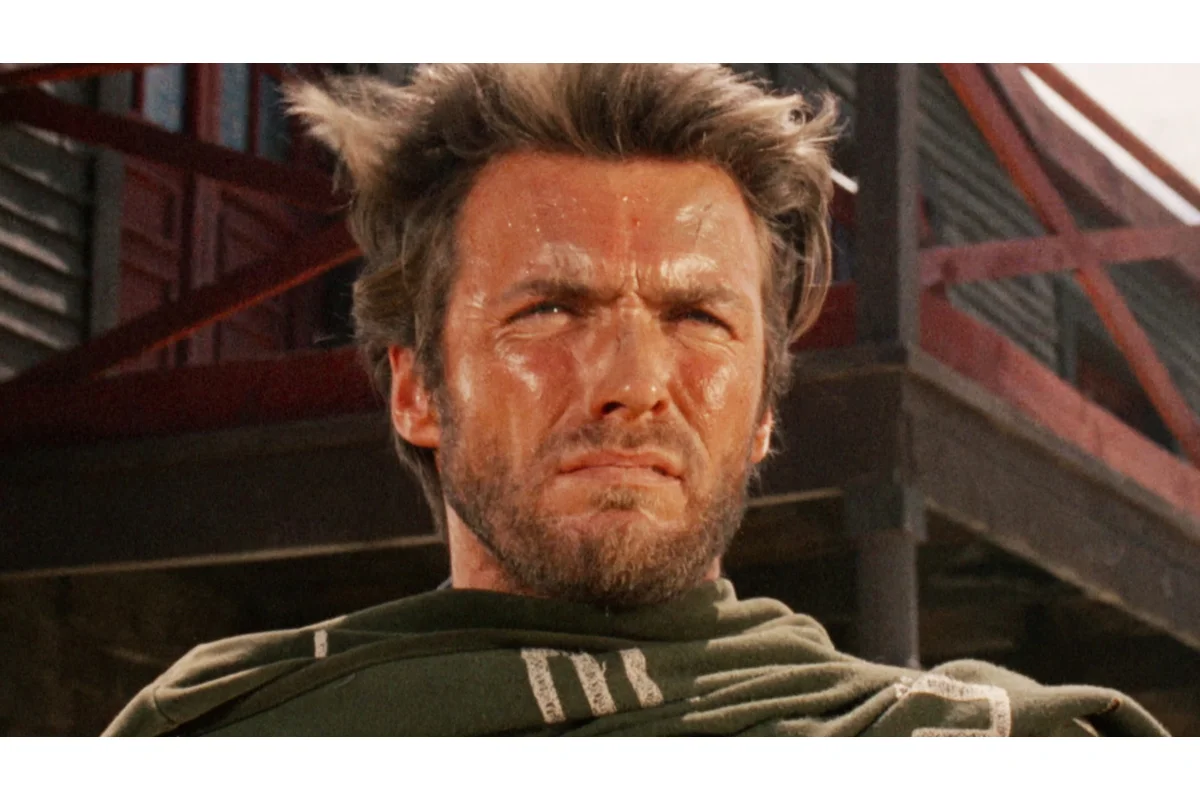
Clint Eastwood’s desire for creative control over his projects grew after years of working on films he often found uninspiring or poorly managed. His journey toward his Clint Eastwood directorial debut began largely from this motivation, as he wanted more influence over the final product and an escape from frustrating collaborative experiences in Hollywood.
Before he ever stepped behind the camera, Eastwood acted in twenty-two features, making his name in the industry with Sergio Leone’s renowned Dollars trilogy. Even with this rise to fame, he still navigated a difficult stretch in his career, taking on scripts and roles that did not always align with his vision or ambitions. When Eastwood returned to Hollywood, studios saw his Western credentials and repeatedly offered him similar roles. Although he accepted performances like in Hang ‘Em High, he remained cautious about being typecast and actively sought new directions for his work.
Challenges with “Kelly’s Heroes” and Industry Frustration
Unable to escape a cycle of repetitive offers and action scripts, Eastwood surprised many by agreeing to star in the wartime heist film Kelly’s Heroes. During the film’s production and release in 1970, he faced numerous creative and logistical obstacles, clashing with the direction and decisions being made at higher levels. These challenges intensified his eagerness to control his own projects in the future.
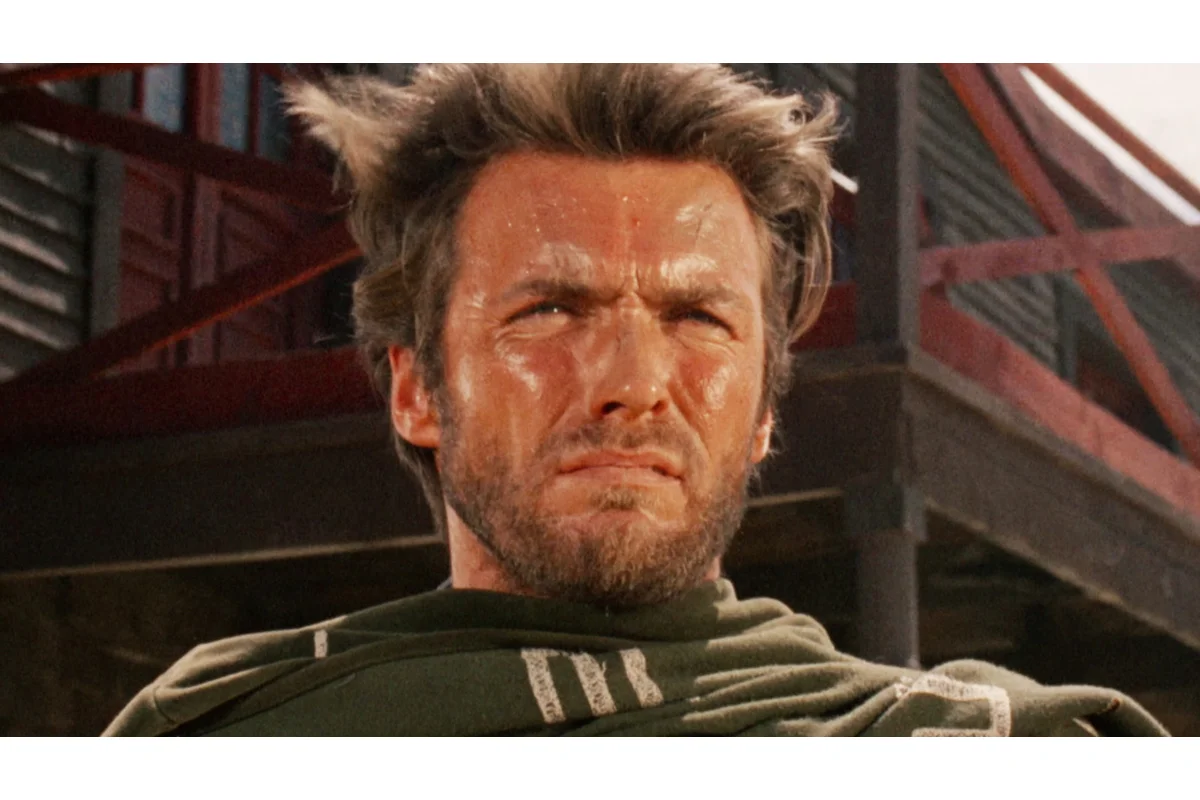
Frustration mounted for Eastwood, particularly given what he saw as poor production choices and a lack of artistic input.
“They had a thing called Hogan’s Heroes, very popular on television, and so they come out with Kelly’s Heroes, which is a dumb title,”
Eastwood commented. — Clint Eastwood, Actor
His dissatisfaction extended beyond the film’s name, feeling he was restricted in his contributions as just another actor on set.
“I had no control over that thing, not that I have any better taste than anybody else, but I wouldn’t liked to have done that movie with a little more control.”
— Clint Eastwood, Actor
Eastwood acknowledged the missed potential of Kelly’s Heroes, pointing out how changes in the editing process and studio interference undermined the original anti-war themes he found compelling in the script. Further issues were compounded by behind-the-scenes turmoil at MGM, where a shift in ownership meant new leadership did not value his creative feedback or seek his input on the film’s direction.
Expressing Discontent Over Studio Decisions
The studio’s handling of Kelly’s Heroes left Eastwood feeling powerless over a project he believed could have been so much more. He didn’t hide his criticism when reflecting on the experience.
“I’m not putting it down, I just think it could have been a very, very good movie with a little something added special. It was one of the best anti-war stories I’ve ever seen, but it was subtle, it was never preachy. But all that was taken out.”
— Clint Eastwood, Actor
Financial instability at MGM resulted in leadership that prioritized quick profits over artistic merit. Eastwood shared how this period, marked by cost-cutting and lack of consultation with the creative team, soured his experience further.
“That’s another thing that got me incensed,”
Eastwood acknowledged.
“After spending six months on the road and living out of a suitcase in Yugoslavia, which isn’t bad, it’s a pretty country and everything, then you come back and some jerk sells the picture because he’s taken over a studio that’s broke and wants to make a lot of low-budget films.”
— Clint Eastwood, Actor
Paving the Way for a New Creative Chapter
Despite Eastwood’s grievances, Kelly’s Heroes enjoyed box office success and received favorable reviews. The experience, however, proved pivotal for Eastwood’s career. It was the final project before his move behind the camera—a transition marked by his work on Play Misty for Me, his official directorial debut. This milestone, followed closely by Dirty Harry, marked the start of a new era, one where Eastwood charted his own path as both a filmmaker and a Hollywood icon.
The creative battles and frustrations of Eastwood’s early career, particularly during the production of Kelly’s Heroes, were instrumental in shaping his future. By stepping into the director’s role, he ensured he would no longer be at the mercy of others’ decisions, forever altering his legacy in film and inspiring other actors to seek similar autonomy.