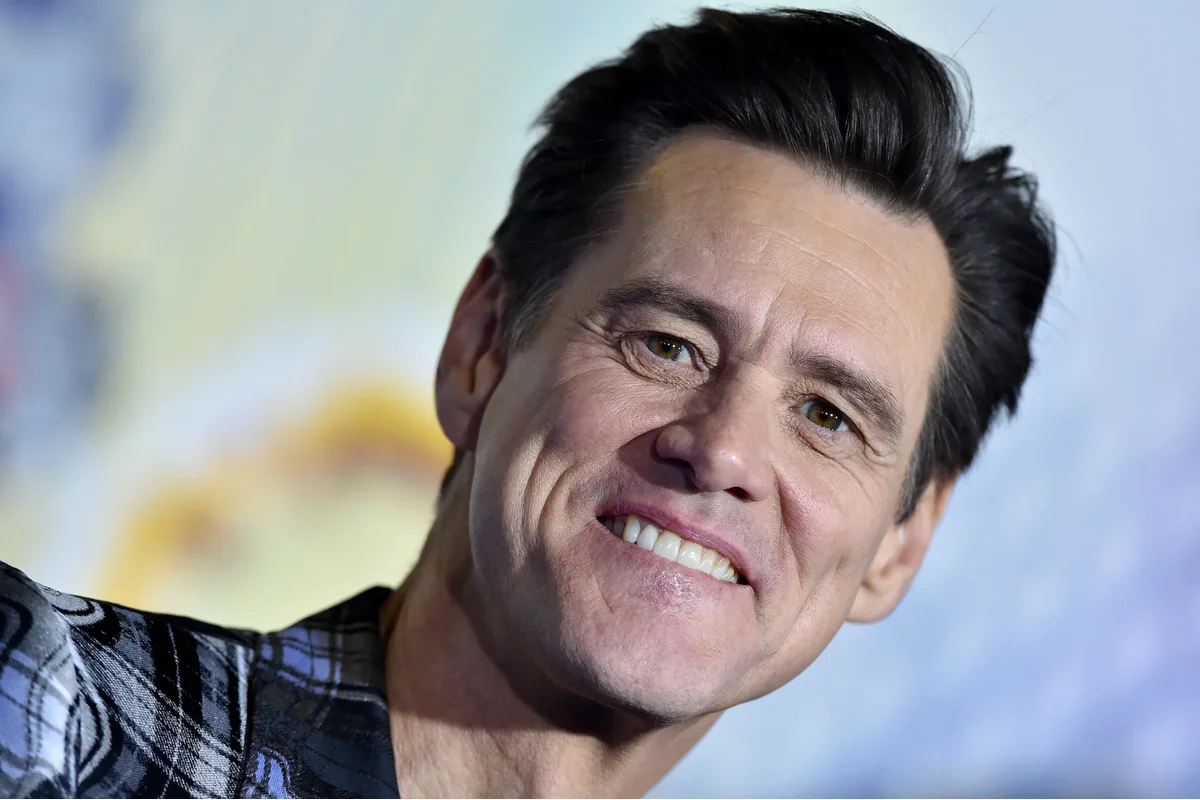
Jim Carrey set behavior has raised troubling accounts from those who worked alongside him, with Oscar-winning makeup artist Kazu Hiro revealing that his turbulent experience during “How the Grinch Stole Christmas” drove him to therapy. The tense atmosphere and Carrey’s on-set actions reportedly led to lasting repercussions for those involved, bringing renewed attention to the struggles faced by crew members when collaborating with difficult film stars.
High Tension on Set: Comedic Legends and Difficult Behaviors
Throughout Hollywood history, several comedy actors renowned for their transformative roles and use of elaborate prosthetics have developed reputations for challenging working environments. Jim Carrey is often mentioned in discussions about such behavior but is hardly alone. Bill Murray, hailed as one of the most celebrated comedic icons, has a storied legacy of creating stress for colleagues, filmmakers, and producers over the decades. His dual reputation as a fan favorite and a difficult coworker underscores the complex personalities behind some of cinema’s comedic legends.
Mike Myers, another major comic figure and versatile performer from the 1990s, became notorious over time for stories involving ego-driven conflicts, sabotage, and difficult collaborations on film sets. These accounts point to recurring patterns among certain actors whose boundary-pushing creative methods can take a heavy toll on those around them.
The legacy reaches back to the late Peter Sellers, whom many consider a source of inspiration for Carrey and Myers. Sellers was infamous for upending entire film productions on a whim, forging adversarial relationships that sometimes overshadowed his celebrated performances. For makeup artists, producers, and other colleagues, these turbulent collaborations often proved professionally and personally draining.
Kazu Hiro’s Ordeal While Working with Jim Carrey
Jim Carrey’s role as the Grinch in Ron Howard’s film required enduring long hours every day in heavy green latex makeup and fur, conditions he found extremely frustrating. The emotional strain was so intense that he considered leaving the film entirely, even threatening to forgo the $20 million salary. To cope, Carrey sought techniques from the CIA typically reserved for those enduring intense psychological stress. While the demands of the role are clear, it didn’t excuse the disruptive behavior he displayed toward those around him, particularly makeup artist Kazu Hiro.
Kazu Hiro, renowned for his Academy Award-winning achievement in “Darkest Hour” and multiple Oscar nominations for works like “Click,” “Norbit,” “Bombshell,” and “Maestro,” is regarded as one of the top artists in his field. His portfolio also boasts contributions to “Men in Black,” Tim Burton’s “Planet of the Apes,” and Guillermo del Toro’s “Hellboy.”
Recalling the experience, Hiro described a set marked by frustration and chaos, largely driven by Carrey’s actions.
“Once we were on set, he was really mean to everybody, and at the beginning of the production, they couldn’t finish,”
Kazu Hiro, Makeup Artist. The difficult atmosphere slowed production significantly:
“After two weeks we only could finish three days’ worth of shooting schedule, because suddenly he would just disappear, and when he came back, everything was ripped apart. We couldn’t shoot anything.”
Kazu Hiro, Makeup Artist.
The daily tension took a toll, with even the slightest detail—such as the color of makeup on Carrey’s chin—becoming points of contention. The strain spurred Hiro to briefly leave the set, hoping Carrey would recognize his vital role in the process. Ultimately, Hiro negotiated his return with a salary increase and letters of recommendation, crucial for his green card application.
The Aftermath: Therapy and Lingering Anxiety
The aftermath of the project was profound for Kazu Hiro. When filming ended, he realized the experience had changed him, pushing him to seek therapy.
“I don’t like to be in many groups of people, or work under those conditions,”
Kazu Hiro, Makeup Artist. He elaborated on the persistent anxiety that accompanied the production, stating,
“The anxiety of what could happen in the next moment, maybe the actor freaks out or changes their mind, always being ready for it.”
Kazu Hiro, Makeup Artist.
While Hiro’s expertise contributed to the film’s eventual success and earned professional recognition, the toll it took was significant. Incidents like these illuminate the hidden costs that crew members can face when working with high-profile, demanding personalities. They also place the focus on ongoing challenges within the industry, where even an Oscar winner can find themselves needing therapy after a particularly taxing project.
Jim Carrey, Ron Howard, and others involved in “How the Grinch Stole Christmas” remain central figures in Hollywood, but the experiences of behind-the-scenes artists like Kazu Hiro reveal a different, often untold, side of filmmaking. The story serves as a reminder of the psychological and emotional strains that can result from difficult working conditions, prompting broader discussions about mental health and support for those in creative industries.