
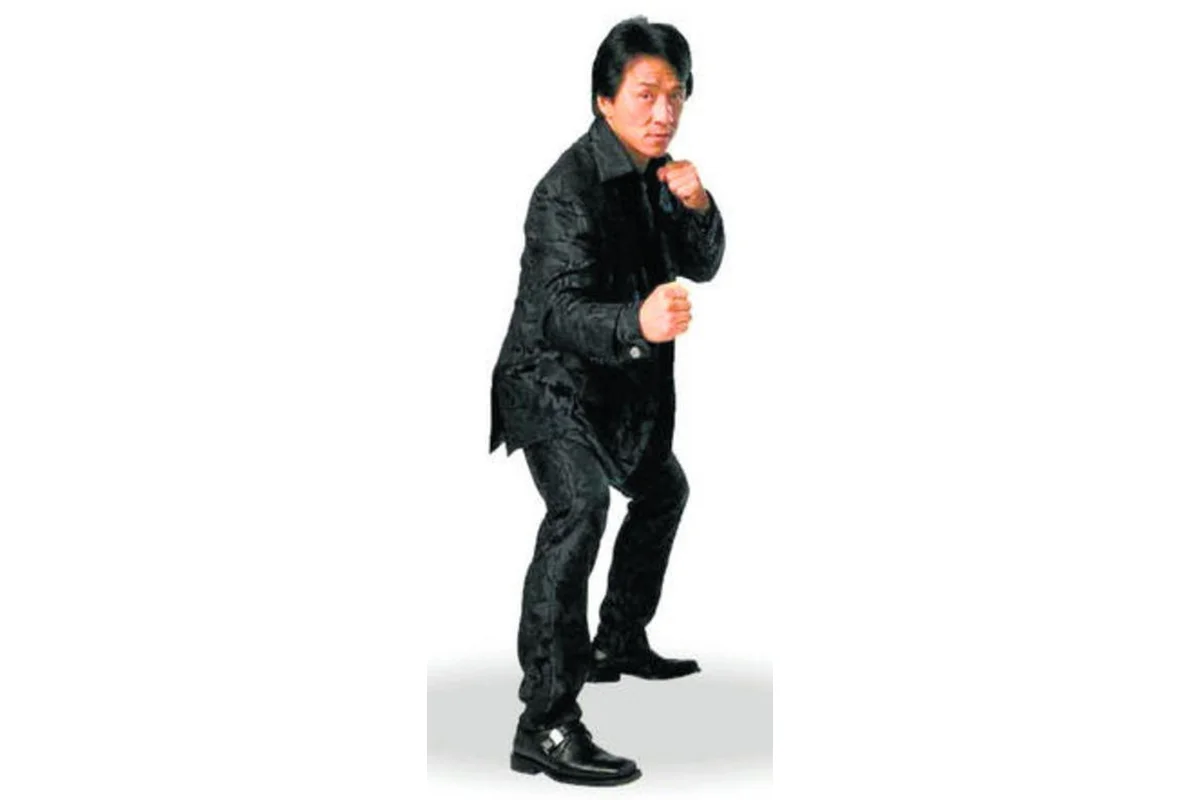
Jackie Chan, a global icon known for his signature Jackie Chan comedy martial arts movies, has shared how he worked to stand out in a genre made famous by legendary names, most notably Bruce Lee. By fusing his love of physical comedy with action choreography, Chan developed a unique film style that propelled him beyond just martial arts stardom.
Breaking Free from Traditional Martial Arts Cinema
While martial arts provided Jackie Chan with his initial break in the industry, he recognized early on that true international success would require moving beyond the conventional kung fu mold. His films almost always feature intense fight scenes, with Chan showcasing his athleticism against relentless henchmen, but he also sought inspiration outside his native Hong Kong. Looking beyond the classic approach helped him carve a distinct space in the movies.
Mixing Comedy with High-Stakes Action
Spotting an untapped opportunity, Chan drew from his admiration for silent film era stars Buster Keaton and Charlie Chaplin. He pioneered a blend of slapstick and action, becoming cinema’s first mainstream comedy martial arts superstar. His daring stunts and creative fight choreography made him a one-of-a-kind performer. Not just an actor, he took on roles as a choreographer, writer, producer, and director, mixing classic physical comedy with innovative action sequences. This powerful combination made him Hong Kong’s most prominent movie star in decades.
Influences Beyond the Martial Arts World
Jackie Chan’s inspirations were not limited to Keaton and Chaplin. He also credits Gene Kelly, whose dance routines encouraged Chan to bring a dance-like grace to his fight scenes. Surprisingly, his approach to playing the underdog onscreen was influenced by Dustin Hoffman—
“he’s not tough, but people like him.”
—Jackie Chan, Comedy Superstar. This mixture of influences shaped Chan’s engaging screen persona, blending humility, humor, and heroics.
Recognizing the Shadow of Bruce Lee
For stars entering the martial arts arena from the 1970s onward, Bruce Lee was the benchmark for global success. Jackie Chan openly acknowledged that standing in Lee’s shadow was an unavoidable reality for Hong Kong actors, saying,
“He influenced me a lot, but I knew I could never be him,”
and,
“He was the king of martial arts, and I just admired him. The way he talked, the way he punched, even the way he spoke was impressive. He was a really good talker! Because he was born in the US, he was more open than us.”
—Jackie Chan, Comedy Superstar, South China Morning Post.
Chan’s entry into film came through uncredited roles alongside Bruce Lee, working as a stuntman in “Fist of Fury” and “Enter the Dragon.” Despite sharing the screen with Lee, he knew he could never replicate the star’s meteoric rise, stating,
“I would think, ‘Don’t be like that; you may not be better than him, but you are still good,’”
and,
“But Lee was already the top guy. The world was praising Bruce Lee.”
—Jackie Chan, Comedy Superstar.
Creating a Distinctive Legacy
Accepting that he could not overshadow Bruce Lee, Jackie Chan focused on crafting his own identity. He developed a signature style—combining humor, intricate choreography, and relatable characters—that anyone familiar with action movies can instantly recognize as “a Jackie Chan movie.”
Chan’s approach influenced everyone from aspiring performers to acclaimed choreographers, changing perceptions of what martial arts and action cinema could be. By refusing to compete directly with Lee and instead channeling his energy into something new, Chan ensured his lasting impact on the genre he helped redefine. His ability to innovate continues to inspire new generations of fans and filmmakers worldwide.

