
Stephen King TV adaptations have gained remarkable momentum, with 2025 marking a pivotal shift where small screen projects began surpassing their movie counterparts in both popularity and commercial success. As audiences and critics responded enthusiastically to new King-based series and films, the landscape of adaptations for this renowned horror author transformed, highlighting changing preferences and industry dynamics.
Television Projects Eclipsed Movies in Recent Years
The year 2025 emerged as a standout period for Stephen King’s followers, presenting several fresh cinematic and television interpretations of his stories. While adaptations of his books have been released regularly, there was a growing pattern of mixed success, with some failing to connect with viewers or reviewers. Traditionally, movie adaptations of King stories would lead the conversation, but this pattern began to shift notably last year.
Several high-profile films, such as The Monkey, The Life of Chuck, and The Long Walk, arrived in theaters, but even with positive critiques, only The Monkey managed to recoup its investment. Other movie projects, including The Running Man, struggled at the global box office despite generally favorable reviews from critics and dedicated fans. This signaled a decline in the reliability of King’s stories to translate into film blockbusters.
Meanwhile, TV gained unexpected ground. Two major series debuted: It: Welcome to Derry on HBO and The Institute on MGM+. Historically, many television adaptations of King’s work fell short of both critical and commercial expectations, making the success of these new series even more striking. Both shows outperformed earlier efforts, with It: Welcome to Derry setting streaming records on HBO and The Institute quickly earning a renewal for a second season, ranking among MGM+’s strongest performers. These accomplishments revived interest in King’s television legacy, which had seen its last major triumph with HBO’s The Outsider in 2020.

With TV shows now sustaining greater momentum and achieving steady commercial gains, it’s apparent that Stephen King’s stories have found new life on television, challenging the dominance of film adaptations at the box office.
Anticipation Builds Around Upcoming TV Series Adaptations
Looking to the future, several of the most eagerly awaited Stephen King projects are slated for television, reflecting industry confidence in the format. Notably, Mike Flanagan is set to direct a series adaptation of Carrie, leveraging his reputation for thoughtful horror to bring a new vision to this classic. Flanagan’s planned take on The Dark Tower—though still distant from release—will also be developed as a television series, indicating a persistent shift away from film for King’s most ambitious tales.
Additional projects further expand the King TV universe. JJ Abrams is developing a series based on Billy Summers, while Paul Greengrass, best known for the Bourne franchise, is attached to a television treatment of Fairy Tale. These high-profile names underline the growing interest top filmmakers have in adapting King’s novels for television rather than cinema.
The story does not end with new projects. The Institute will soon launch its second season, reportedly deepening its exploration of the original book’s world. It: Welcome to Derry also returns with future installments planned, maintaining its momentum as a hit series. This ongoing stream of content supports the claim that Stephen King’s stories are thriving in serialized television, inviting fans to engage over multiple seasons instead of just a single film experience.
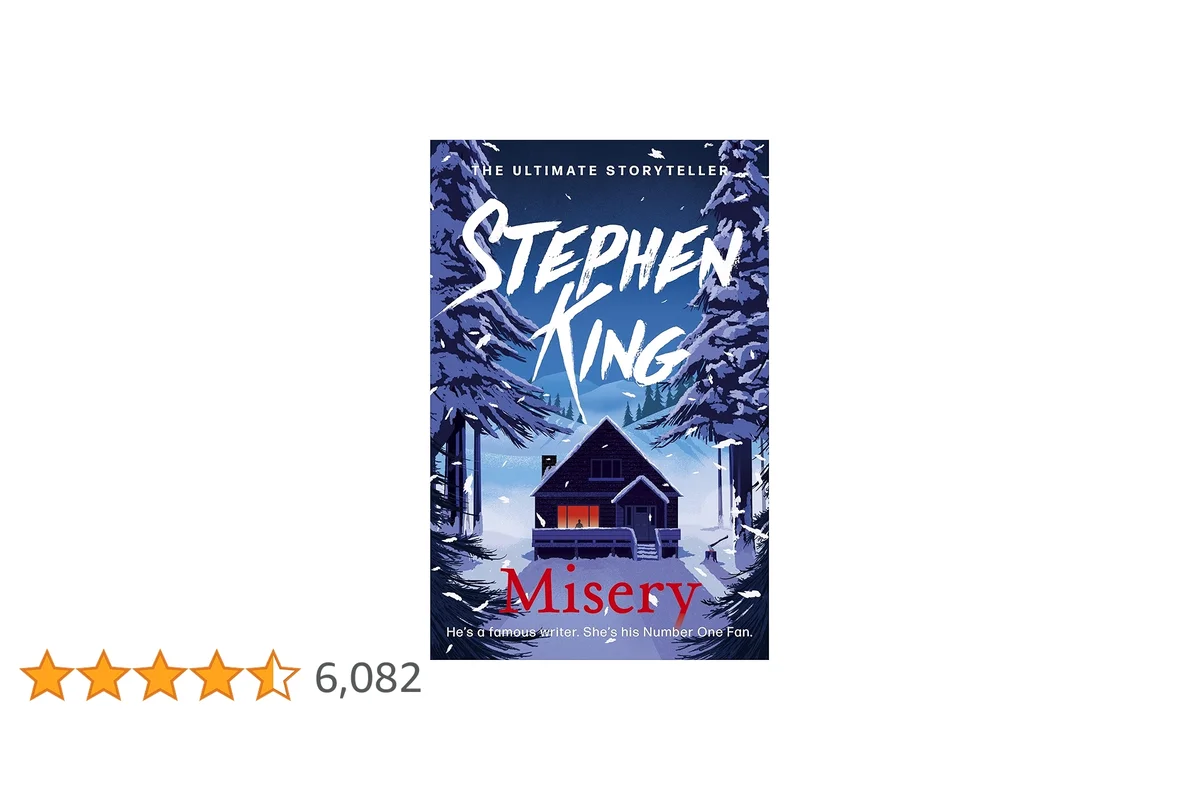
The success of Stephen King TV adaptations now outpaces that of most new movie versions, ushering in a fresh chapter for his extensive catalog. With King’s massive bibliography—spanning everything from the Bill Hodges trilogy and Cujo to acclaimed standouts like The Shining\ and Misery—producers appear eager to fully realize these works on the small screen and meet evolving audience expectations.
This surge in interest for Stephen King TV adaptations marks a significant moment for both the author and the entertainment industry. The commercial and critical gains suggest that fans can expect more intricate, long-form explorations of King’s iconic stories, with television proving the ideal platform for detailed storytelling. As each new project is announced and released, the boundary between success on television and at the box office grows ever more distinct, shaping the future of horror adaptations for years to come.
