
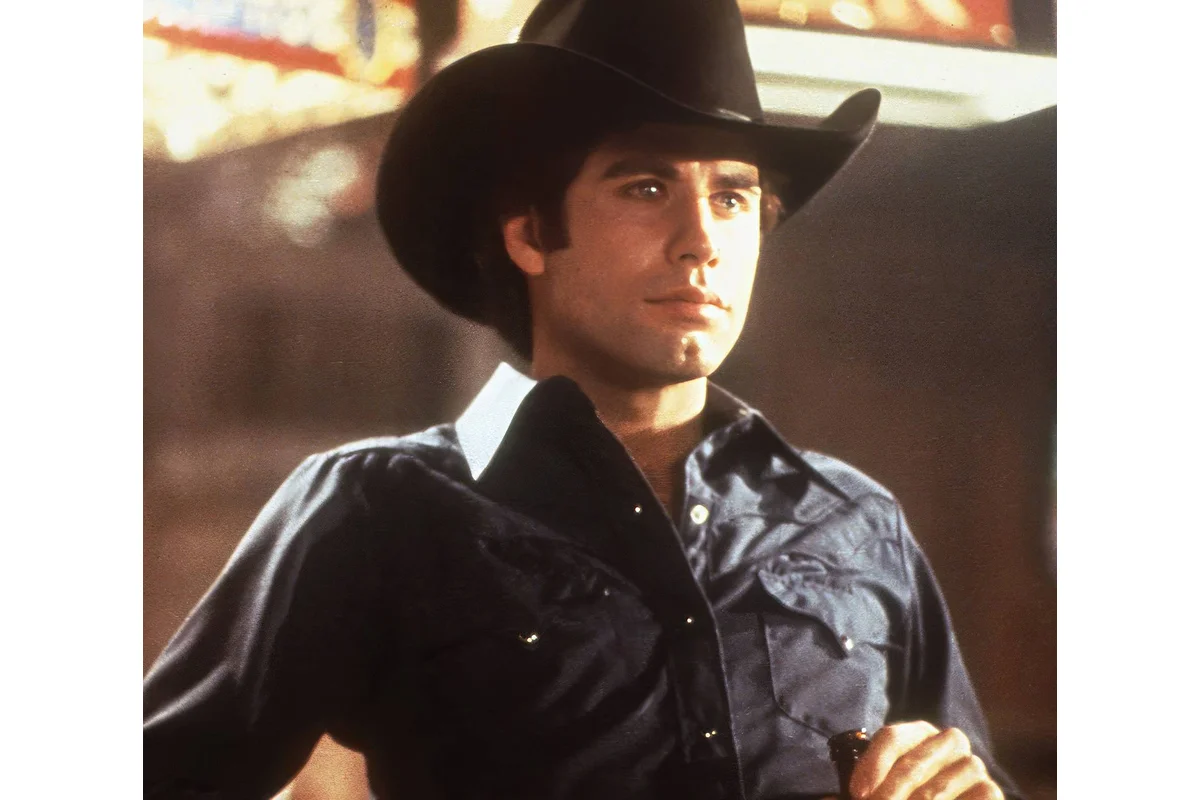
John Travolta Urban Cowboy marked a significant shift in the actor’s career when, in 1980, Travolta swapped his disco-era image for the rugged style of Texas, surprising both critics and audiences. Set amidst a changing cultural landscape, the film saw Travolta embracing a new persona and redefining the leading man archetype just as music and movie trends evolved in America.
Travolta’s Transformation in the Wake of Stardom
After a string of massive successes including Saturday Night Fever and Grease, New Jersey-born John Travolta stood at a turning point as the 1970s drew to a close. As the public’s musical tastes shifted, Travolta left behind his signature dance moves for denim and a cowboy hat in Urban Cowboy, directed by James Bridges. Inspired by Aaron Latham’s Esquire Magazine article, the film invited Travolta to step away from his established persona and dive into a new genre. While audiences caught glimpses of the star’s trademark physicality through mechanical bull riding and vibrantly choreographed bar scenes, Urban Cowboy achieved only moderate box office numbers, bringing in $53 million in 1980.
Despite the film’s more muted critical and commercial reception compared to Grease or Saturday Night Fever, Urban Cowboy went on to earn cult status. Its authentic depiction of Texas’ honky-tonk subculture, bolstered by a standout country soundtrack, contributed to the film’s lasting appeal over time—even as it heralded a quieter phase in Travolta’s career.
A Glimpse Inside the Urban Cowboy Narrative
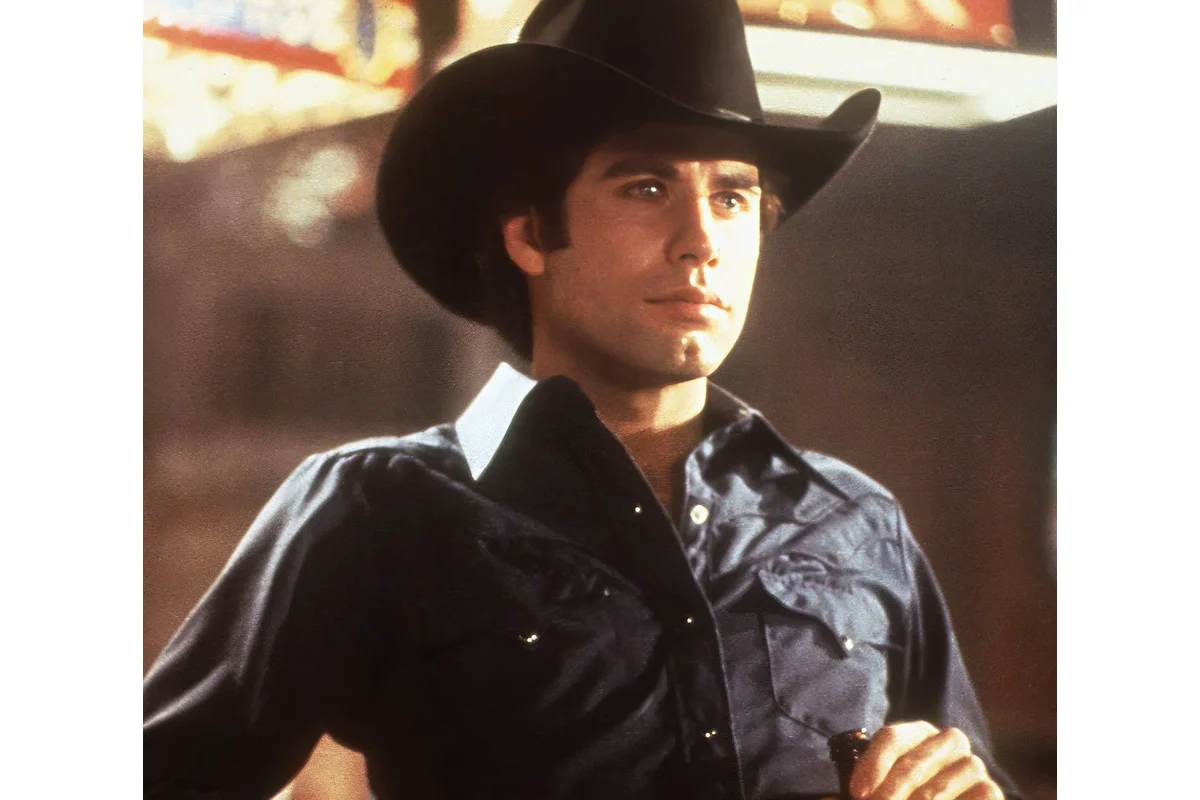
The story centers on Buford “Bud” Davis, a young laborer from Spur, Texas, played by John Travolta, who heads to Pasadena to live with his Uncle Bob, portrayed by Barry Corbin. Bud works at the local oil refinery during the day, with plans to save for a piece of his own land, while his evenings are spent at the bustling Gilley’s nightclub. There, the mechanical bull draws crowds, and Bud becomes captivated by Sissy, played by Debra Winger—an independent woman whose confidence eventually leads to a whirlwind romance and marriage.
The couple’s relationship soon founders under the pressures of rivalry and jealousy. Sissy’s flair for the mechanical bull and her connection with Wes Hightower—a character brought to life by Scott Glenn—stir up conflict, making Wes Bud’s main challenger for a high-stakes rodeo competition. The unfolding drama is intensified when Bud briefly seeks solace with oil heiress Pam, played by Madolyn Smith, only to be pulled back by an unforeseen tragedy that forces Bud and Sissy to confront their feelings and the true depths of their bond.
Though it lacks the searing intensity of Saturday Night Fever, Urban Cowboy explores questions about masculinity and identity within blue-collar America. The cultural shift was evident as more women, like Sissy in the film, entered the workforce—a reflection, as showcased in other contemporary titles, of America’s evolving social dynamics. The push-and-pull between Travolta’s Bud and Winger’s Sissy mirrors the softening, yet still stubborn, ideals of the era’s masculine figures.
How the Music Steered the Heart of the Story
For Travolta, portraying Bud was an exercise in range and depth, requiring the star to set aside the sheen of his past roles for a rougher, more vulnerable character. At just 26, Travolta’s transition from television heartthrob to gritty, conflicted everyman was guided by director James Bridges, who helped strip down Travolta’s persona and reveal the complexity beneath. Moments of impulsiveness, conflicted loyalty, and raw emotion—from choosing Pam over Sissy to wrestling with heartbreak—showcase the ways in which Bud remains deeply flawed and sympathetic.
The soundtrack, however, is the film’s pulse. Country tracks not only underscore the mood but drive the plot forward. Johnny Lee’s “Looking for Love” became synonymous with Bud’s search for connection amid the chaos of his nightlife at Gilley’s. The heartbreak of separation is palpable during Boz Scaggs’
“Look What You’ve Done to Me,”
which amplifies the tension when Bud spends the night with Pam after his falling out with Sissy. But the musical high point arrives as The Charlie Daniels Band makes a cameo with
“The Devil Went Down to Georgia,”
which energizes the film’s third act, aligning with Bud’s moments of reckoning and the culminating rodeo contest.
Look What You’ve Done to Me
Boz Scaggs
The Devil Went Down to Georgia,
The Charlie Daniels Band
Urban Cowboy’s Lasting Impact and Travolta’s Versatility
The same year Urban Cowboy was released, Michael Cimino’s Heaven’s Gate brought a temporary halt to traditional Westerns. Yet, Urban Cowboy revitalized the genre by injecting classic tough-guy tropes with newfound sensitivity, suited perfectly to Travolta’s evolving talents. This movie, though perhaps not as universally beloved as Travolta’s earlier works, underlines a significant chapter in his filmography, a point at which he demonstrated that he was ready for more complex, vulnerable roles as his career matured.
Urban Cowboy is available for streaming on Pluto TV in the United States. The principal cast includes Debra Winger as Sissy, John Travolta as Bud Davis, Scott Glenn as Wes, and Madolyn Smith Osborne as Pam. Throughout, the film stands as a testament to the shifting tides of American popular culture, Hollywood’s changing standards for leading men, and Travolta’s willingness to take bold risks at pivotal moments in his career.
Decades later, the legacy of John Travolta Urban Cowboy continues to intrigue film fans and cultural commentators alike, a reminder of how one surprising choice can leave a lasting impression on screen history.
