
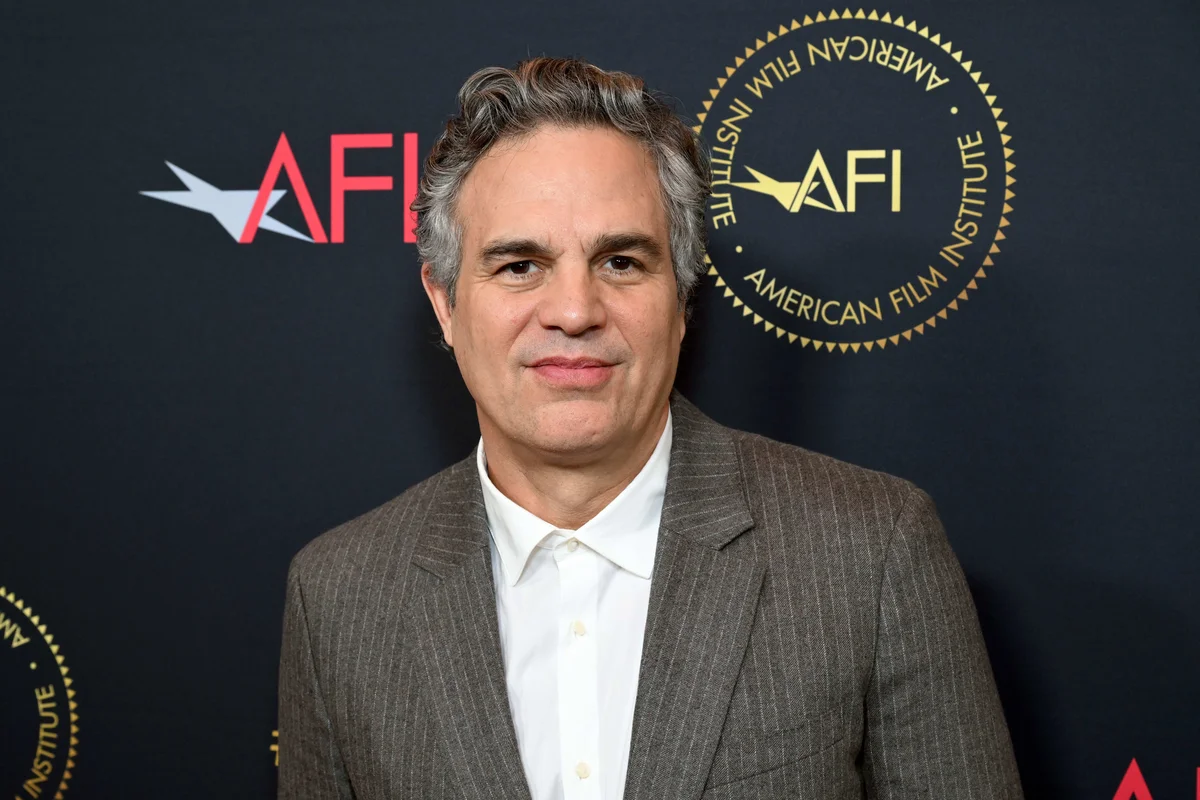
At Hollywood’s Harmony Gold Theater on Friday night, actor Mark Ruffalo brought together stars and veteran journalists for a compelling live reading of All the President’s Men and a spirited discussion about the state of the media today. The Mark Ruffalo journalism panel drew sharp parallels between the iconic Watergate-era reporting and contemporary challenges facing truth-telling in the modern news landscape.
Reimagining All the President’s Men for Today’s Audiences
On a night charged with urgency and nostalgia, audiences packed into Harmony Gold Theater for a rare event that blended Hollywood’s creative muscle with journalism’s storied past. Mark Ruffalo, renowned both for his acting and passion for advocacy, organized the reading as a benefit for Stella Adler Academy of Acting. Ruffalo and Ethan Hawke assumed the roles of Bob Woodward and Carl Bernstein, immersing viewers in the drive and integrity of the legendary reporting duo. The performance included a cast of nearly twenty notables such as Don Cheadle, Laurence Fishburne, Kaley Cuoco, Amy Brenneman, Rob Morrow, Tom Pelphrey, Spencer Garrett, and Missy Yager, giving new energy to the drama that once exposed political corruption at the highest level.
Just hours before the crowd’s arrival, the cast met for a single rehearsal. Ruffalo addressed the ensemble, emphasizing the legacy of Stella Adler, Robert Redford, and the enduring relevance of journalism epitomized by “Woodstein”—Woodward and Bernstein. He spoke of the urgent need to celebrate truth-seeking amidst a media industry under immense pressure from conglomerate influence and ideological takeovers.
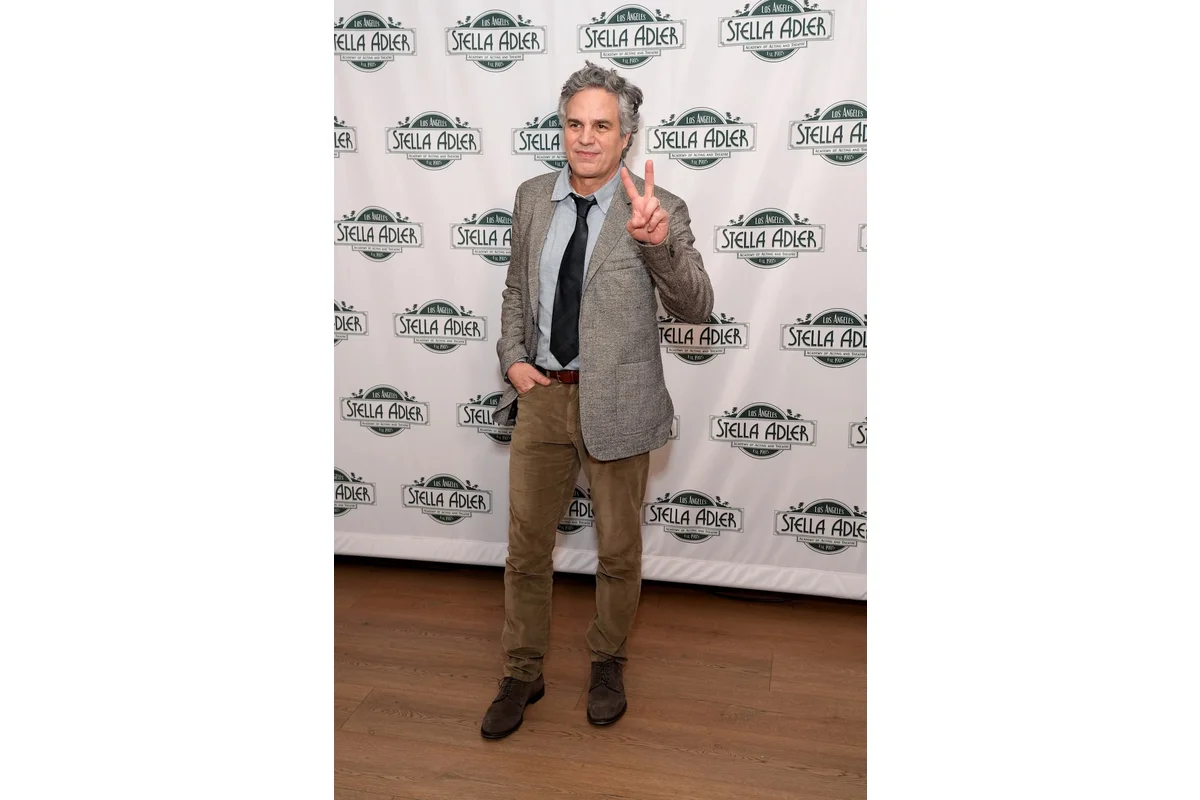
One thing about Stella (Adler) that we all know is her hunt for the truth,
Mark Ruffalo, Actor
We’re telling the story of the journalists finding the story. Obviously, (journalism) is under attack today. CBS has fallen. Newsrooms are being gobbled up by conglomerates. How is it affecting our business? We don’t know. But when we have ideological people who are buying up our media companies, that probably says a lot about what kind of content we’re getting. So this is a night to celebrate Stella, and the search for the truth. It’s a night to celebrate journalism, and it is a night to celebrate where journalism and our business meet. And I’m just happy you’re here.
Mark Ruffalo, Actor
Casting Light on Press Freedom and Media Pressure
Prior to the performance, Ethan Hawke discussed how Ruffalo managed to unite the group on short notice, lauding his diligence and intent. Hawke recognized the historical importance of both the characters they play and the very act of investigative journalism, especially given current media attitudes. He lamented a diminishing sense of outrage and accountability, reflecting on the evolution of public and political reaction to scandal.
Mark’s a hustler. He’s a do-gooder,
Ethan Hawke, Actor
I mean, it’s amazing how the sense of shame the country used to possess over the kind of lies and deceit that don’t seem to create a scandal anymore… I grew up in a world where people wildly admired Woodward and Bernstein for what they uncovered. And now we have a president that calls journalists ‘piggies.’ It’s a different era we’re living in.
Ethan Hawke, Actor
Hawke went further, drawing analogies to the consolidation of media ownership and the dangers it poses to literature, ideas, and the public sphere.
It’s so strange, it’s so obvious, but if there was only one publisher and all the books were published by the same person, it would defeat the role of literature. And the same companies releasing all the movies and the same companies doing all the news, then you don’t even have to put a malevolent purpose on anybody. It’s just a loss of what, in the world I grew up in, it meant to be an American.
Ethan Hawke, Actor
Rehearsals Bring Reflection on Script and Legacy
During rehearsal, Ruffalo paused to note the uncanny relevance of dialogue from the script to current events, especially comments regarding the caution of major newsrooms like CBS in handling controversial stories. He referenced an early draft line about CBS being wary of challenging powerful interests—a sentiment that resonates even more strongly today, considering ongoing media transformations and pressures.
I took a picture of it. This is the line: ‘No, let’s not worry about CBS. They’re probably afraid they’ll get their TV franchise taken away if they start fooling with this thing.’ Isn’t that crazy?
Mark Ruffalo, Actor
Creating Theatre That Mirrors Political Realities
Despite the hurried preparation, Ruffalo expressed excitement about the immediacy and unpredictability that come from live readings. He had previously led similar performances, most notably last August in East Hampton, showing his commitment to staging works that underscore both journalism and societal accountability.
That is also a great thing to read, especially now,
Mark Ruffalo, Actor
The entire audience went crazy and was screaming, ‘I’m mad as hell. I’m not gonna take it anymore!’ I’ve never really experienced anything like that in the theater.
Mark Ruffalo, Actor
The thing about a reading like this is, it could be very loose and magical things could happen… We’re coming from all over the country right now, and from all these different events; I just left Ethan at the AFI. It’s a lot easier to do that than it is to mount a full production, and flying by the seat of your pants for a reading is kind of the spirit of it, so it’s not the worst thing in the world.
Mark Ruffalo, Actor
Laurence Fishburne, who joined at the last moment to play the enigmatic Deep Throat, noted he had little familiarity with the film prior to being cast, having been involved with another major project when “All the President’s Men” was released. Upon catching up with the material, his impressions shifted to deep respect for both the film and its message.
I got the call on Monday,
Laurence Fishburne, Actor
I had never seen ‘All the President’s Men.’ When the movie came out, I was making a little movie called ‘Apocalypse Now’ in the Philippines, so I never got around to it.
Laurence Fishburne, Actor
it’s clear that the story is reflective of our times and the moment that we’re in now, with it being more and more dangerous and trepidatious for journalists to tell the truth.
Laurence Fishburne, Actor
Audience Engagement and the Power of Retelling
The live reading itself stirred a robust reaction from the packed house, who responded heartily despite the intricate, methodical dialogue that made the original film a hallmark of gripping realism. The cast’s dynamic delivery drew laughter and warmth, especially during exchanges involving recognizable figures such as Deep Throat—brought to life with Fishburne’s signature voice.
The post-performance panel, led by Elsa Walsh—journalist and wife of Bob Woodward—conveyed both reverence and fresh appreciation for the enduring power of the narrative. She observed the contrast between the lively west coast audience and the more contemplative crowd at the prior East Hampton event.
I saw this with Bob and Carl in the Hamptons this summer,
Elsa Walsh, Journalist
and we knew the story, but at that time we were still riveted, our heads going back and forth, listening to it,. And hearing it anew tonight was a totally different experience. Fantastic, and also much funnier this time. One of my sisters (leaned over and) said to me, ‘It’s so funny. I didn’t realize this was comedy.’
Elsa Walsh, Journalist
Ruffalo acknowledged the unexpected levity, noting the communal joy sparked by the shared experience.
It got away from us a little.
Mark Ruffalo, Actor
Walsh spoke to the unique appeal of the material, attributing its draw to journalists, political enthusiasts, actors, and audiences alike, even though its “whodunnit” element is well known and the action is often understated.
It’s loved by journalists, it’s loved by political people, it’s loved by actors. And … it is a whodunnit, but you already know what the answer is, so the mystery is gone. You never see the villains on stage. It’s filled with names of people that most people don’t know about. It’s about a lot of methodical hard work and doors being slammed in people’s faces. Yet it’s a movie and a script that you were able to gather this incredible cast on a Friday night to come and do.
Elsa Walsh, Journalist
Examining the Intersection of Journalism and Acting
Reflecting on the resonance of such political storytelling among actors, Ruffalo spoke candidly about the lure of journalistic truth for performers. He linked the urgency of journalism with the ambitions and motivations of artists, suggesting that truth-finding is a drive they share across disciplines.
Listen, all actors, I think, want to be journalists. in some part of them. Journalists are our modern heroes. You could be a soldier, you could be a paramedic, you could be a emergency room doctor or you can be a journalist — or you can be an actor playing journalists and paramedics and emergency room doctors. But one thing that I think I can speak for all the actors now is that we’re sort of on a hunt for the truth too. And when you take journalism, which is finding the story, and you take movie-making, which here is the story about finding the story, it’s just an unbeatable symbiotic relationship that’s so powerful. … As actors, this turns us on. This is as close to what we do as you can get.
Mark Ruffalo, Actor
Christian Williams, former style editor at The Washington Post during the Watergate investigation and adviser to the original film’s creators, added that the relevance of the story carries through generations, channeling complex history into relatable drama.
We’re all 80 now, the people who did this stuff — it was a long time ago — and yet it’s all distilled into a perfectly understandable feeling now, especially tonight, with new faces and new interpretations. You know, if you want to understand the most complicated thing about World War II, the French resistance or something, there’s ‘Casablanca’; you come out of there thinking, ‘Hey, I’ve got it.’ And man, that’s one of the most complicated cultural moments… I feel the same way about this movie.
Christian Williams, Former Style Editor, The Washington Post
Ethan Silverman, director and participant, shared with the group the urgency of retelling such stories in the current context, worrying that recent scandals and challenges have made past political wrongdoing seem outdated by comparison.
This is a really important time to be doing this… The clarion call of Woodward and Bernstein was so huge, so immense. What’s scary to me at this moment is that Nixon and Watergate seem so quaint.
Ethan Silverman, Director
Contemporary Threats Facing Journalists and the Industry
Before the event, Ruffalo delved into why the reading was more relevant than ever, citing the stark dangers journalists face around the world, from violent repression in places like Gaza to economic erosion at home through institutional buyouts and media consolidation. He referenced high-profile cases, media layoffs, and the rapid decline in independent reporting, framing the performance as a response to the increased censorship and monopolization of information.
We had 127 journalists killed in Gaza; there’s journalists being killed all over the world. Journalism in the United States is being killed metaphorically, through buyouts. And we see what happened with (Jimmy) Kimmel and the kind of censorship that’s [floating around. So in Hollywood today, because this film had such an impact, and with the things we’re facing with the monopolization of newspapers and newsrooms all over the nation… It just felt like this would be a great thing to do here in L.A. during the award season when we’re all here together.
Mark Ruffalo, Actor
He continued by addressing controversial events and missteps at major news outlets, indicating how the shifting of editorial decisions to Hollywood further complicates matters of truth and accountability.
with CBS and Bari Weiss, I mean, it’s a disaster,
Mark Ruffalo, Actor
Ruffalo explained the deep impact and potential for harm created by failures at major news institutions, referencing cases ranging from international conflict to domestic political crises, all accentuated by a lack of stable, independent journalism.
He criticized the blending of entertainment and journalism in mainstream news, noting the challenges faced by figures like morning talk show hosts trying to provide reliable information when stringent editorial demands and commercial interests loom large. Ruffalo described a media landscape where critical information is suppressed and the public remains under-served, especially when powerful interests control both the means and content of reporting.
He emphasized that these failures have left the country “in dire straits” and cited incidents both abroad and domestically—discussing interventions in Venezuela, police abuses, and unaccountable government power—as evidence of a media ecosystem no longer able to offer consensus or clarity.
With reference to past scandals, Ruffalo linked the historic failures of coverage surrounding the Iraq war to present-day anxieties. He argued the real difference now is the clear presence of media monopolization and the overt influence of ownership on which stories are told, which endorsements are offered, and what narrative is circulated—decisions that, when unchecked, erode democratic values.
So then you have the conglomerates and the monopolization of media — so where are the filmmakers gonna go to tell the next ‘All the President’s Men’? If the media owners don’t want those stories told, it’ll never make it to the screen.
Mark Ruffalo, Actor
Films as Tools for Truth and Social Change
Ruffalo highlighted his belief in cinema’s power to immortalize overlooked stories and spark meaningful reform. He referenced his experience with “Spotlight,” a film that brought the Catholic Church abuse scandal to a broad audience, ultimately driving legislative change. Similarly, he pointed to “Dark Waters,” where the dramatization of Rob Bilott’s battle against chemical pollution turned a little-known legal drama into a catalyst for policy and action. Ruffalo argued that the fusion between journalism and filmmaking allows powerful, real-life stories to be imprinted on the public consciousness, stimulating awareness and change at scales rarely achieved through journalism alone.
This democracy is a fragile thing without the fourth estate, which is the only profession ever written into the Constitution. Isn’t that amazing? The only profession written into the Constitution,
Mark Ruffalo, Actor
Debating Hollywood’s Ability to Tell Journalism Stories Today
As the evening progressed, panelists discussed whether a film like All the President’s Men could be developed in today’s cinematic environment. The consensus leaned toward skepticism, not only because of corporate media consolidation but also due to Hollywood’s own tendencies to embellish true stories for mass appeal. Some expressed concern that the essential focus—telling the journalism and not the journalist—would be lost in the push to make such stories “more interesting” to contemporary audiences.
We’re here honoring Bob, who I worked with and was friends with. I’m hearing all these stories. Elsa was telling me about how Redford, when he got the script, canned all of the personal stuff. There was all this stuff about Woodward losing his dog, and he scratched all that out and was like, ‘We just need to stick to the story. The story’s enough.’ But at that time, that wasn’t the general thinking. It was ‘We gotta pepper this thing’ (with more anecdotal character flourishes). But he was like, ‘No, we’re gonna make a movie about journalism and it’s gonna be interesting to people.’ And God damn it, here we are, 50 years later.
Mark Ruffalo, Actor
Impact and the Path Ahead for Media and Storytelling
The Mark Ruffalo journalism panel at Harmony Gold Theater was much more than a routine Hollywood event. It became a forum for testimony, warning, and hope as actors, journalists, and industry insiders invoked historical precedent to address present-day threats and moral quandaries. The program served as a reminder of the role both journalists and filmmakers play in sustaining democratic discourse.
With Mark Ruffalo, Ethan Hawke, Don Cheadle, Laurence Fishburne, and their castmates uniting across disciplines, the evening underscored a vital truth: storytelling—whether through investigative reporting or cinematic reimagining—remains one of society’s last defenses against unchecked power and erosion of facts. The ongoing partnership between journalism and filmmaking, as championed by Ruffalo and his peers, will continue to shape cultural conversations about truth, accountability, and the resilience of democracy in turbulent times.

