
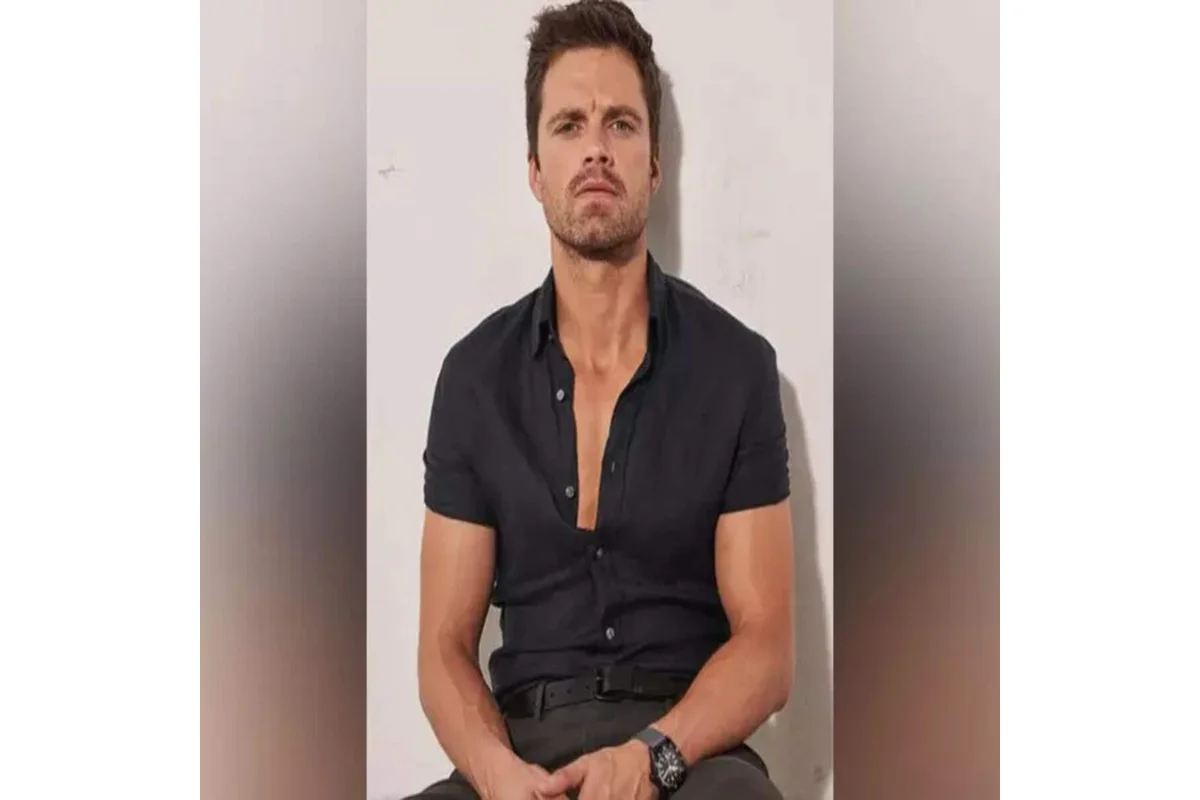
Sebastian Stan, currently considered for a major role in the upcoming sequel to The Batman, recently disclosed startling details about his near involvement with the 2011 film featuring the popular DC character, as part of his Sebastian Stan Green Lantern audition. The revelation came during Stan’s conversation on the Happy Sad Confused podcast, shedding new light on the competitive and intense casting process that would shape one of modern cinema’s most notorious superhero movies.
Sebastian Stan’s Unexpected Candidacy for Green Lantern
Years before Stan’s name became firmly entwined with major superhero roles, he found himself competing for the part of Hal Jordan, the Green Lantern. The audition room was packed with high-profile contenders: Justin Timberlake, Jared Leto, Ryan Reynolds, and others—all vying for one of DC’s signature characters. Stan reflected on the experience with a mixture of anxiety and relief at how things eventually unfolded.
“I remember getting there, and it was like, me, Justin Timberlake, Jared Leto, Ryan Reynolds, and maybe one other person. And I’m looking at these guys, going, ‘I’m f*****. There’s no way this is happening for me.’ Looking back, I’m almost glad it didn’t because I don’t know if I could have handled that level of attention like some of those guys.”
— Sebastian Stan, Actor
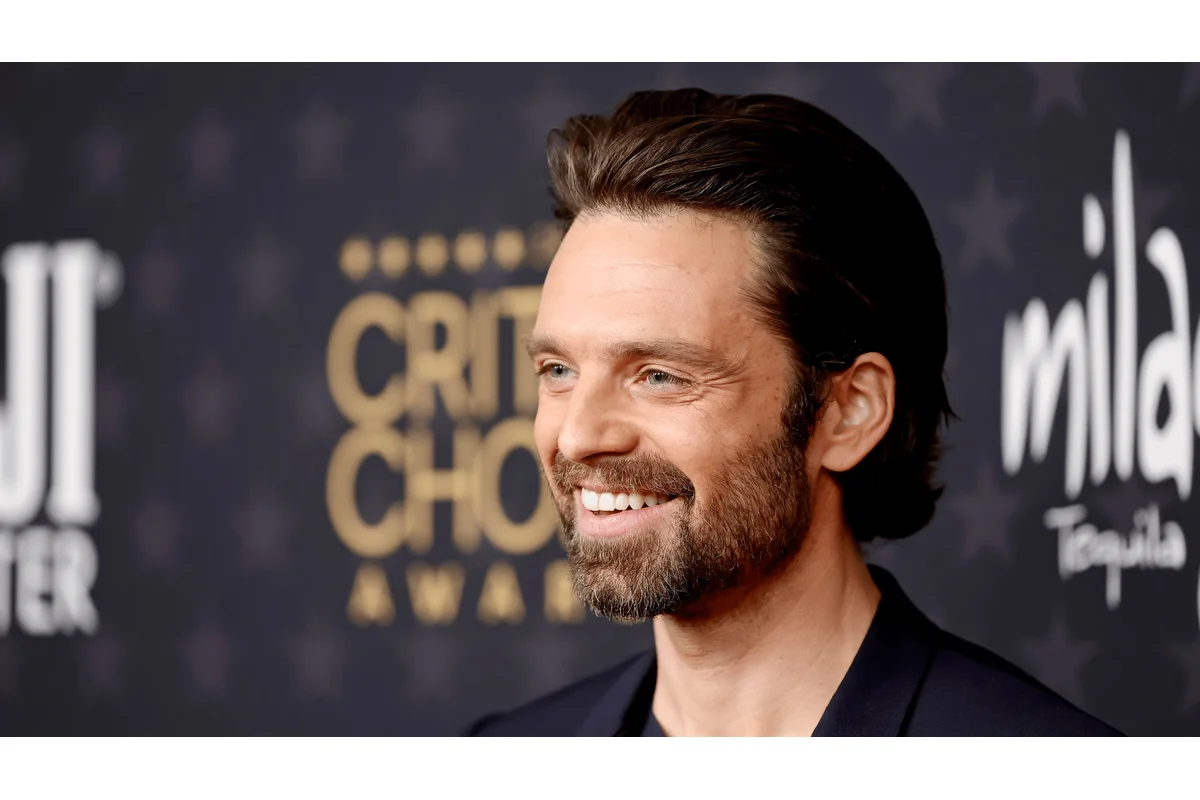
Though he narrowly missed being cast, Stan’s story highlights the daunting competitive nature of blockbuster casting and the far-reaching career implications for those involved. Key figures at the audition, including notable actors like Justin Timberlake and Jared Leto, left a lasting impression on Stan during what he now regards as a formative episode in his career.
The 2011 Green Lantern Film: Cast and Critical Fallout
Ultimately, Ryan Reynolds secured the role of Hal Jordan, making him the first human member of the Green Lantern Corps in the Warner Bros. adaptation. Playing alongside Reynolds were Blake Lively as Carol Ferris, Mark Strong as Thaal Sinestro, Peter Sarsgaard as Hector Hammond, Angela Bassett portraying Amanda Waller, and Tim Robbins as Robert Hammond. The ensemble also featured Geoffrey Rush as Tomar-Re, Taika Waititi as Thomas Kalmaku, Michael Clarke Duncan voicing Kilowog, and Clancy Brown menacing as Parallax, with each performer adding to the film’s high-profile cast.
Despite the promising lineup, Green Lantern was met with widespread disappointment from critics and audiences alike. With a 25% approval rating on Rotten Tomatoes, the film has since been widely dismissed as one of the least successful superhero features of recent memory. Even Ryan Reynolds, burned by the aftermath of the movie’s failure, famously joked with DC Studios’ James Gunn about his reluctance to reprise the character, expressing his feelings in blunt terms.
“get the f*** out of here!”
— Ryan Reynolds, Actor
Director Martin Campbell’s Reflections on the Film’s Shortcomings
Director Martin Campbell has openly discussed his detachment from the comic book genre during the film’s creation, suggesting that this disconnect significantly impacted the project’s outcome. In an interview while promoting another film, Campbell attributed much of the film’s lack of success to his own unfamiliarity and lack of enthusiasm for superhero franchises. He also criticized the depiction of the main villain, Parallax, as conceptually hollow and visually uninspired.
“I’d never done one before. I think quite honestly, if you’re going to do a superhero movie, you have to be in that world a little bit, you know what I mean? You have to be excited by it. You have to have a background where you are part of that world, and you’ve been involved in that thing. And I wasn’t. I also felt that Parallax, our bad guy, was just a cloud with a face on it — literally, that’s all it was.”
— Martin Campbell, Director
This insider perspective hints at creative mismatches that plagued the production, resulting in an underwhelming adaptation that failed to meet the audience expectations that surrounded such a legendary character from DC’s universe.
Ryan Reynolds Shares Honest Insight Into His Experience
Reynolds himself has not shied away from candidly assessing his time as Hal Jordan. During an appearance at the Wall Street Journal’s CMO Council Summit, Reynolds described a period marked by deference to higher-ups, a lack of creative control, and the pressures unique to blockbuster filmmaking. He recalled feeling powerless, unable to influence major decisions, and acutely aware that any failure would be attributed squarely to him as the film’s leading man.
“You know, that was a time in my life when I was ‘Yes, sir, no, sir. How high can I jump, sir?’ You sit there, and you go, ‘I have really strong thoughts and opinions on a creative matter,’ and someone else on another movie, I remember, made a creative decision, and ‘I thought, well, that’s a nail in a coffin that I alone will lie in.’”
— Ryan Reynolds, Actor
“They don’t say, ‘This producer’s movie flopped,’ or ‘This director’s [movie flopped].’ That’s me. So if I’m going to be on that headline, I’d like to be the architect of my own demise — or success.”
— Ryan Reynolds, Actor
Reynolds’ reflections underscore the intense spotlight placed on a film’s marquee actors, as well as the emotional cost when projects of this magnitude do not succeed. His experience with Green Lantern, and the aftermath of its release, cast a long shadow over later opportunities and his evolving attitude within Hollywood.
The Enduring Impact of a Failed Superhero Epic
Green Lantern remains a cautionary tale within the industry, not only for its troubled production but also for its ripple effects on the careers and reputations of those involved. The candid admissions from Sebastian Stan, Martin Campbell, and Ryan Reynolds offer a rare, unvarnished look behind the scenes at a much-maligned adaptation. Stan’s closeness to the role, and his ultimate relief at not experiencing its fallout, adds another layer to the complex legacy of the Sebastian Stan Green Lantern audition. For fans, filmmakers, and stars alike, the saga of Hal Jordan’s big-screen misfire continues to illustrate the making—and unmaking—of movie legends.
