
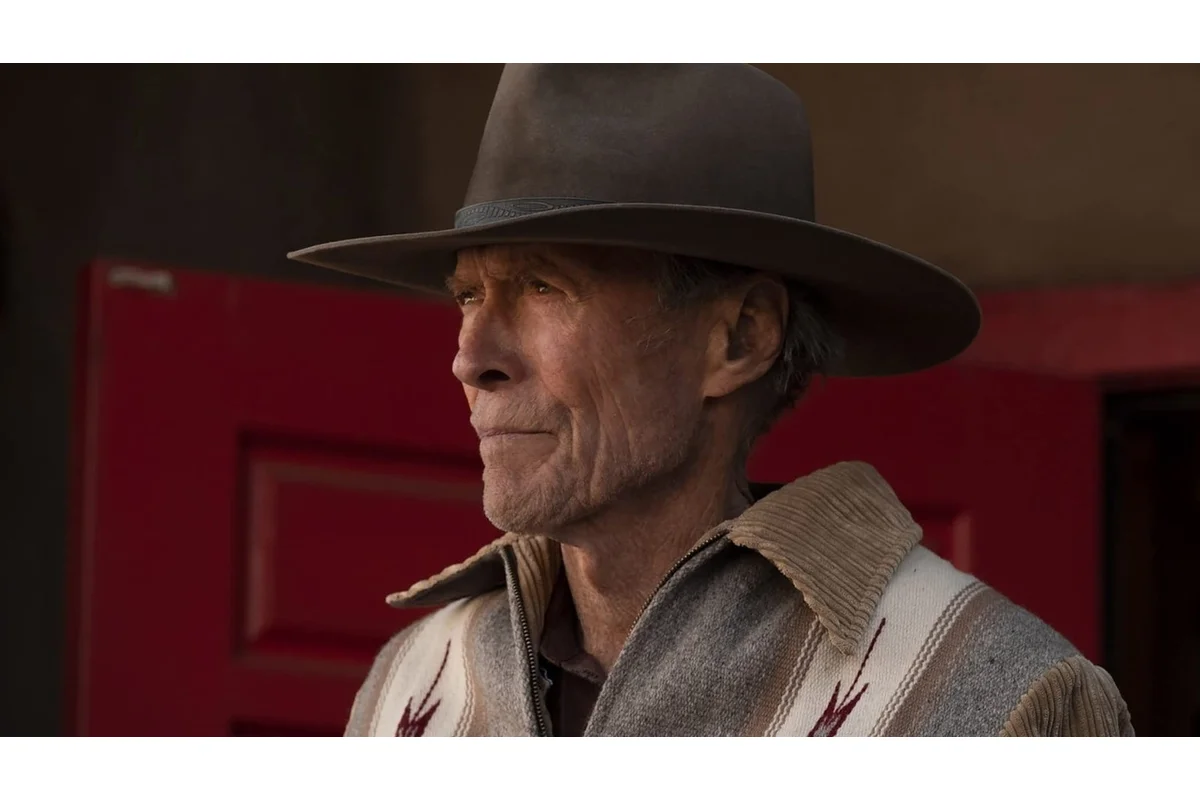
Clint Eastwood, renowned for his impact on both acting and directing, once declined a significant Clint Eastwood movie offer from filmmaker John Carpenter in the late 1970s, revealing how close the two influential figures came to collaborating. The proposed project would have united Eastwood’s cinematic style with Carpenter’s emerging vision at a turning point for both artists.
Throughout his career, John Carpenter has openly acknowledged the influence of Clint Eastwood on his own craft, despite the two never officially working together. Carpenter, the director behind iconic films such as Halloween and The Thing, cited westerns—and Eastwood’s on-screen presence in particular—as foundational to his early inspiration. He even expressed admiration for Eastwood, stating,
“would have given my eyeteeth to work with.”
– John Carpenter, Director
Kurt Russell also admitted that Snake Plissken, the lead character in Escape from New York, was shaped in part by Eastwood’s legendary ‘Man with No Name,’ highlighting the enduring mark Eastwood left on subsequent generations of storytellers.
The Missed Opportunity: ‘Eyes of Laura Mars’
The closest Carpenter and Eastwood ever came to joining forces was with the film Eyes of Laura Mars, written by Carpenter but not directed by him. In 1978, following the success of his early works Dark Star and Assault on Precinct 13, Carpenter developed an 11-page treatment for what would become his only theatrically released script not under his own direction. Jack H. Harris, the executive producer who had previously worked on Dark Star, initially backed the project, and Carpenter recounted:
“I wrote two early drafts of the screenplay,”
– John Carpenter, Director.
“And then they moved on to David Zelag Goodman, who rewrote me.”
– John Carpenter, Director
This project was first imagined as an independent film but shifted direction when John Peters, then the partner of Barbra Streisand, joined as a key producer. Columbia Pictures took over, and as casting plans changed—first Streisand, then Faye Dunaway as leads—the screenplay underwent further revisions by David Zelag Goodman to suit the evolving requirements. Carpenter, reflecting later, would describe this phase as one where he was “shat upon” by the rewrite process.
Clint Eastwood’s Perspective on Turning Down the Role
Before the directorship was handed to Irvin Kershner and after Streisand departed from the project, Clint Eastwood received an offer to both direct and star in Eyes of Laura Mars. Eastwood recalled,
“I was offered that picture to direct and act in,”
– Clint Eastwood, Actor/Director.
“This was back when Streisand was talking about doing the film and playing a part. It was a model then, who saw all these things, and it was a great excuse to wear a lot of clothing and stuff. But it seemed very much like a gimmicky idea.”
– Clint Eastwood, Actor/Director
If Eastwood had accepted, he would have played John Neville—the police lieutenant role eventually portrayed by Tommy Lee Jones—had Carpenter’s vision for the project held. However, Eastwood ultimately felt the story, centered around a fashion photographer experiencing the visions of a serial killer, did not align with his creative instincts. As history shows, Eastwood has tended to avoid stories featuring supernatural elements or outlandish concepts on both sides of the camera.
The Broader Impact on Film and Filmmakers
The unfulfilled partnership between John Carpenter and Clint Eastwood stands as a noteworthy “what if” moment in film history. Carpenter would continue shaping the horror and fantasy genres, while Eastwood remained dedicated to more grounded material, like his own directorial projects. Figures such as Kurt Russell and Faye Dunaway became entwined with Eyes of Laura Mars, but the film’s final form diverged sharply from Carpenter and Eastwood’s original involvement.
This episode illustrates the pivotal role that creative choices, casting, and rewrites play in Hollywood projects, as well as the selective nature of Eastwood’s filmography. Although the collaboration never materialized, the influence of both men persisted, weaving through the work of filmmakers who came after and leaving fans to speculate on what might have been had the Clint Eastwood movie offer been accepted.

