
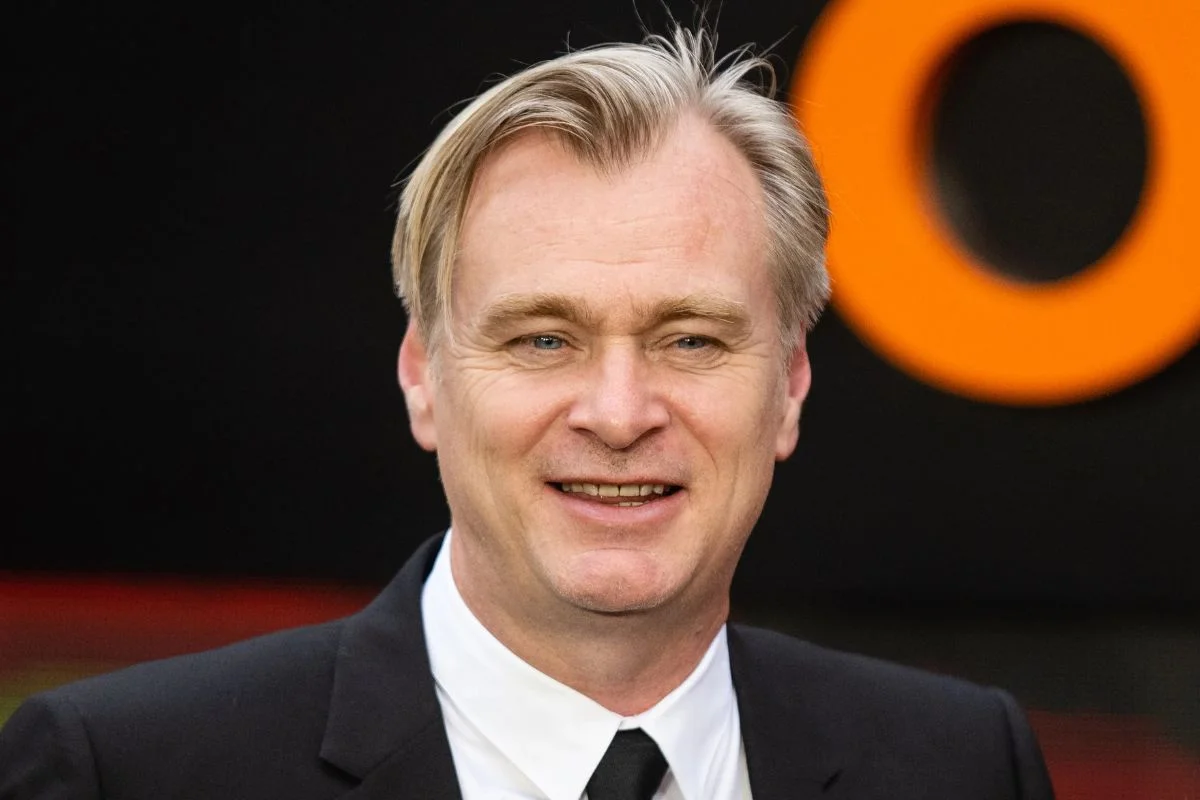
Christopher Nolan, known for his innovative approach to filmmaking, has openly criticized 3D cinema, questioning its appeal and value to audiences. Sharing his views recently, Nolan expressed strong reservations about a technology he believes adds little to the viewing experience, making his perspective central to ongoing discussions about the future of movie formats. The topic of Christopher Nolan on 3D movies underscores a wider debate among filmmakers and viewers alike regarding what truly enhances the art of cinema.
Cinematic Gimmicks and the Evolution of Audience Experience
Nolan’s body of work reflects a commitment to artistic storytelling, often transforming well-known genres into something deeper and more engaging, which has helped him draw both blockbuster crowds and discerning cinephiles. While his films may face criticism at times, there is consensus among audiences that Nolan consistently produces movies that attract wide attention and success.
With Hollywood always seeking new ways to entice audiences, various cinematic gimmicks have emerged over the decades. Some have been innovative, briefly making viewers feel as if they were part of the narrative, while others have faded into obscurity. For instance, during the 1950s, filmmaker William Castle introduced unusual marketing tactics to sell movie tickets, including equipment that caused theatre seats to vibrate, promises of refunds for frightened patrons, and even ambulances waiting outside screenings for dramatic effect. While these stunts were memorable, none had a lasting impact on the industry.

The Rise and Return of 3D Movies in Film History
No gimmick became as prominent as 3D cinema, a format that dates back to the silent film era but achieved major success in the 1950s with popular titles like House of Wax. Although 3D films continued to have periods of popularity and decline, a significant revival occurred in the 2000s. This resurgence was marked by the availability of 3D-enabled DVDs and an increase in cinemas offering both 3D and even 4D screenings alongside traditional ones. Despite the technological advancements and promotional efforts, many moviegoers still question the added value of wearing disposable glasses to watch spectacles leap from the screen during regular-length films.
Christopher Nolan on the Downsides of 3D: Audience and Economic Concerns
Christopher Nolan’s skepticism about 3D cinema is rooted in both artistic and practical concerns. Speaking to Yahoo! Movies, he stated,
“The question of 3D is a very straightforward one. I never meet anybody who actually likes the format, and it’s always a source of great concern to me when you’re charging a higher price for something that nobody seems to really say they have any great love for.”
– Christopher Nolan, Director.
Continuing, he commented on how audiences should lead the direction of film formats and ticket pricing:
“It’s up to the audience to tell us how they want to watch the movies. More people go see these films in 2D, and so it’s difficult data to interpret. And I certainly don’t want to shoot in a format just to charge people a higher ticket price.”
– Christopher Nolan, Director.
No 3D for Nolan’s Blockbusters: Impact on Film Industry Standards
Due to his firm stance, viewers will not see Nolan adopt 3D technology for his projects, including epic films such as Oppenheimer or Dunkirk. Christopher Nolan’s opposition suggests he sees the use of 3D not as an artistic enhancement, but as an unnecessary marketing tool that risks diminishing the impact of well-crafted cinema.
Nolan’s candid comments have sparked conversations about audience preferences, the true value of cinematic gimmicks, and whether higher ticket prices for 3D screenings are justified. As filmmakers like Nolan remain dedicated to the core art of film, the future of 3D movies hangs in the balance, shaped partly by audiences’ choices and ongoing industry debate over what format delivers the most meaningful viewing experience.

