
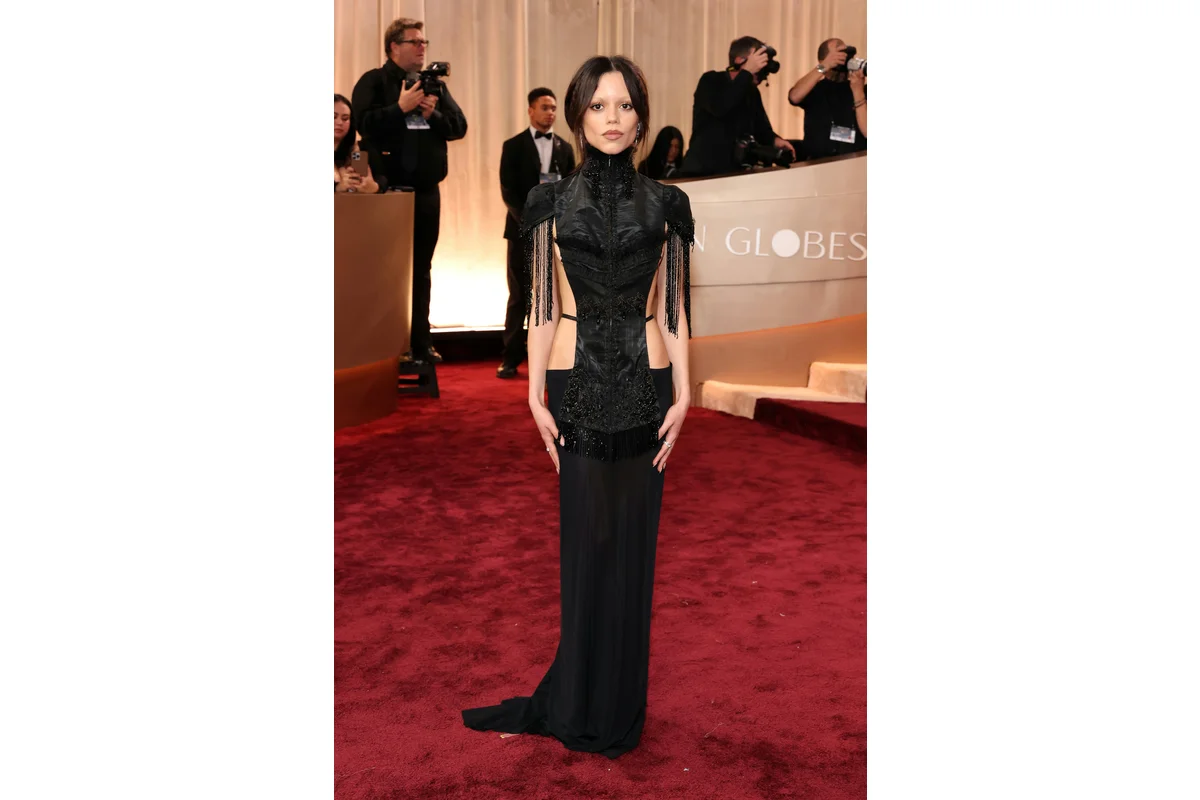
Rebecca Ferguson, widely recognized for her dynamic roles in major blockbusters, delivered one of her most compelling performances in a lesser-known historical miniseries, showcasing her impressive range in Rebecca Ferguson historical drama roles. While audiences may know her as Ilsa Faust in “Mission: Impossible” or as Lady Jessica in Denis Villeneuve’s “Dune” adaptations, Ferguson’s portrayal of Elizabeth Woodville in “The White Queen” stands as a remarkable example of her talent in historical storytelling.
Rediscovering Ferguson’s Lead in a Unique Period Series
Most recently seen as the enigmatic lead in Apple TV’s “Silo,” Rebecca Ferguson’s career is filled with memorable roles, but “The White Queen,” which aired on BBC One in 2013 and later on Starz, offers an historical drama gem that is sometimes overlooked. Adapted from Philippa Gregory’s acclaimed novel, the series casts Ferguson as Elizabeth Woodville, a figure who emerged from the middle ranks of English society to become a political force during the dramatic War of the Roses. Sharing the screen with a talented cast—Max Irons, James Frain, Amanda Hale, Janet McTeer, Faye Marsay, Eleanor Tomlinson, and Caroline Goodall—Ferguson leads this emotional and suspenseful retelling of a turbulent era.
Elizabeth Woodville’s narrative is not just a personal journey, but is woven into the very fabric of England‘s dynastic struggles, as the York and Lancaster branches vied for control of the throne. Ferguson’s performance captures the resilience and intelligence of a woman who navigates the treacherous shifts of power with both vulnerability and strategic acumen.
The Real Story Behind “The White Queen”
Set against the chaotic backdrop of the War of the Roses, “The White Queen” opens with Elizabeth Woodville as a young widow living with her mother, Jacquetta of Luxembourg, and her siblings. Her fateful meeting with Edward IV alters her destiny and that of her family. Despite a tense and fraught beginning—where Elizabeth fiercely defends herself from Edward’s attempt at force—an unlikely romance blooms, culminating in a controversial marriage that elevates the Woodville family into the highest echelons of English society.
Their union produces a large royal family—historical sources place the number of their children at ten, with their eldest daughter Elizabeth of York becoming critical in subsequent royal events. However, the increasing turmoil of the civil war brings betrayal and danger; Edward’s own brothers, George and Richard, turn against him in their pursuit of power, resulting in repeated exiles for Elizabeth and her children. The family’s plight reaches its darkest chapter when Elizabeth’s two eldest sons are taken to the Tower of London, where they vanish—a mystery that has baffled historians for centuries.
The series also explores the ambitions and rivalries surrounding the throne. Key figures such as Richard Neville, whose daughters Isabel and Anne face their own struggles at court, and future Queen Mother Margaret Beaufort, determined to secure her son Henry Tudor’s claim, add further complexity. These intertwining stories reflect the high-stake maneuvering and emotional turmoil of the time.
A Trail of Historical Dramas Inspired by “The White Queen”
Philippa Gregory’s books have become a rich resource for television adaptation, with “The White Queen” inspiring a broader narrative universe. Following the success of the original series, “The White Princess” debuted in 2017, adapting the sequel novel. Ferguson’s memorable interpretation of Elizabeth Woodville was succeeded by Essie Davis in this follow-up, while Jodie Comer took on the pivotal role of Elizabeth of York, showing a new generation of queens navigating political intrigue and personal loss.
This sequel series traces Elizabeth of York’s reluctant marriage to Henry Tudor—later known as Henry VII—and the heavy expectations that come with founding the Tudor dynasty. From the lingering pain of her brothers’ disappearance to her evolving relationship with a husband she initially despises, the drama continues the tradition of complex, formidable women at the heart of England’s royal legacy. Noted performances by Michelle Fairley as Margaret Beaufort, Jacob Collins-Levy as Henry Tudor, and Billy Barratt as Prince Arthur further expanded the historical context and family dynamics.
The saga continued with “The Spanish Princess,” featuring Charlotte Hope as Catherine of Aragon, who enters royal circles through marriage to Arthur Tudor and, ultimately, Henry. This interconnected web of miniseries provides a sweeping portrait of the Plantagenets and Tudors, tracing the lineage of power from one formidable queen to another.
The Lasting Impact of Ferguson’s Historical Drama Work
Rebecca Ferguson’s portrayal of Elizabeth Woodville in “The White Queen” remains a standout among Rebecca Ferguson historical drama roles, gaining renewed appreciation as viewers revisit British period dramas. With vivid performances alongside prominent actors such as James Frain, Amanda Hale, Eleanor Tomlinson, and Max Irons, the series highlights not only the drama of royal politics but also the challenges and agency of women influencing the fate of England. The work of historian-novelists like Philippa Gregory and the presence of acclaimed actors including Michelle Fairley, Jodie Comer, and Essie Davis have kept these stories at the forefront of period television.
“The White Queen” and its related series can currently be viewed on Starz, offering a chance to experience the intrigue and emotion of England’s most tumultuous chapters, anchored by one of Ferguson’s most passionate performances. For fans of historical drama series and admirers of Rebecca Ferguson’s work, revisiting her role as Elizabeth Woodville is a must, offering fresh insight into the conflicts, alliances, and mysteries that defined a generation.
