
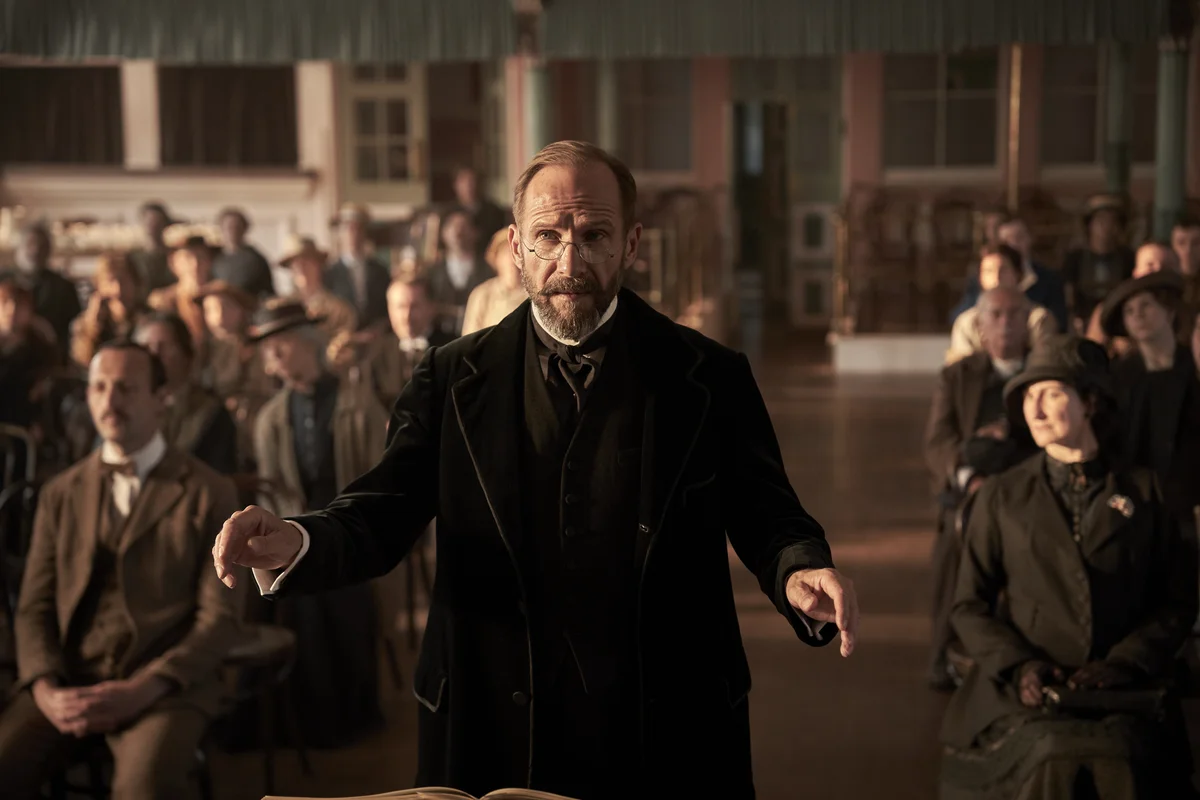
Ralph Fiennes in The Bone Temple marks a dramatic return to a world gripped by chaos, as the latest sequel in the 28 Days Later franchise shifts the timeline and deepens its character focus. Released on January 16, 2026, this installment, directed by Nia DaCosta and written by Alex Garland, places Fiennes at the center of a fractured society, reflecting on both survival and humanity in a quarantined England struggling to rebuild.
Building on the 28 Years Later Legacy
The Bone Temple picks up the thread from its predecessor, escalating the stakes and moving forward in time—although not specifying exactly how many years have passed since the outbreak began. Previous entries in the series were branded with titles denoting the passage of time, such as 28 Days, 28 Weeks, and 28 Years Later, with each narrative covering new territory in post-zombie England. In The Bone Temple, the continuity remains, but the focus becomes more immediate and personal, as the audience is introduced to Spike, a resourceful young survivor last seen venturing alone into the infected countryside.
In the cliffhanger of the previous film, Spike (played by Alfie Williams) was rescued from danger by Sir Lord Jimmy Crystal (Jack O’Connell), the leader of a ruthless group. The new movie quickly reveals that Spike has been absorbed into Jimmy’s cult-like gang, which is ruled with a brutal grip. Initiation rituals and violent acts, including terrifying home invasions, establish an environment where human cruelty rivals the horror posed by the undead themselves. The violence orchestrated by non-zombies in The Bone Temple underlines the film’s thematic core: the greatest evils sometimes come from the living, not the infected.
Shifts in Storytelling and Cinematic Style
Director Nia DaCosta steps in to bring a fresh vision to the franchise, taking over from Danny Boyle, who remains involved as producer and may return to direct in future installments. DaCosta, known for her directorial work on Hedda and a legacy sequel to Candyman, pays homage to Boyle’s energetic filmmaking with dynamic camera work and suspenseful sequences. Scenes shift from the unsettling perspective of zombies on the prowl to calm, aerial views of devastation, providing both immediacy and reflection.
DaCosta’s collaboration with director of photography Sean Bobbitt delivers a more restrained and polished visual experience compared to the chaotic energy of previous entries, particularly those shot by Anthony Dod Mantle. The narrative, crafted by Alex Garland, avoids the erratic zig-zags of its immediate predecessor to interweave multiple storylines that converge in an explosive climax. These threads bring the sprawling world of the franchise into sharper focus, allowing for closer examination of its new and returning characters.
Ralph Fiennes as Dr. Ian Kelson: A Standout Performance
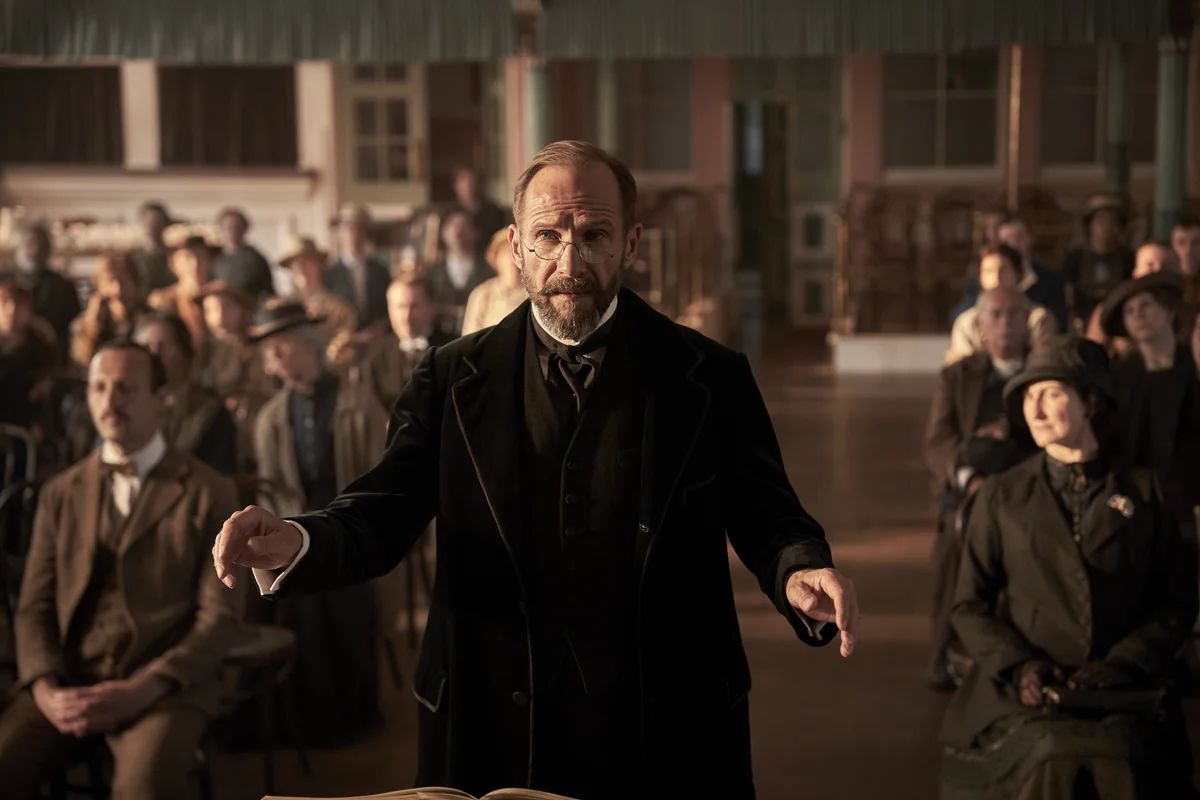
Central to The Bone Temple is Ralph Fiennes’ portrayal of Dr. Ian Kelson, a compassionate doctor first introduced in the concluding portion of the prior film. Kelson now resides at a memorial he has built to the countless dead, which he refers to as the bone-temple. Fiennes delivers a layered and nuanced performance, infusing the role with understated humor and warmth. Kelson’s unexpected companionship with “Samson,” a large, evolved alpha zombie played by Chi Lewis-Parry, adds an unconventional dynamic to the story, as Kelson becomes one of the rare characters in zombie cinema more interested in understanding than confronting the infected.
A memorable aspect of Fiennes’ role is Kelson’s in-story position as music curator, having collected an assortment of records that inject moments of levity and culture into the bleakness. One musical scene featuring Kelson stands out for its inventiveness and emotional resonance. Through Fiennes, the film finds moments of dark humor and pathos, helping balance its grim subject matter.
The Complex Role of Sir Jimmy and Gang Rule
Jack O’Connell brings to life Sir Jimmy Crystal, a character whose blend of Scottish bravado and unrestrained aggression is reminiscent of Begbie from Trainspotting. Jimmy’s grip on power is secured through fear, and his unpredictable violence keeps both followers and enemies on edge. The gang’s initiation rites, which drag Spike further from his roots as the series’ quiet observer, highlight the dehumanizing effect of perpetual crisis.
O’Connell’s Jimmy is not without a glint of charisma or humor; the movie finds room for unexpectedly human moments within his campaign for domination. This thread recalls the power-hungry charlatans of real history, making the film’s antagonists all the more chilling.
Spike’s Journey: From Protagonist to Pawn
Spike, who emerged as the emotional core of the previous film, finds his arc severely constrained in The Bone Temple. No longer the stealth protagonist guiding the audience through the ruins of civilization, Spike now struggles with his forced assimilation into Jimmy’s gang, his agency limited and his fear constant. Despite Alfie Williams’ talent, the character serves more as a lens for identifying with the story than as an active participant, a shift that may frustrate longtime fans but underscores the themes of coercion and survival.
Intersecting Storylines and Shifting Focus
Whereas 28 Years Later extended its narrative through unpredictable turns, The Bone Temple follows a more traditional structure, setting up threads that steadily intertwine towards an expected, if satisfying, third-act convergence. This tighter approach reduces the sense of sprawling danger but allows a deeper look at characters like Dr. Kelson and Samson, opening space for philosophical questions about coexistence and transformation in a world blighted by virulence.
The evolving role of the alpha zombie, Samson, adds an intriguing twist. No longer just a mindless threat, this character begins to take on qualities of leadership and individuality, with the good doctor attempting to bridge the gap between the dead and the living.
Stylistic Choices and Musical Moments
DaCosta’s directorial style introduces a blend of suspense and artistry, evidenced by her willingness to experiment with angles, perspectives, and the strategic use of music. The recurring motif of Duran Duran in Kelson’s bunker adds an offbeat charm to the apocalyptic setting. These choices lighten the mood just enough to make the story’s intensity more bearable, giving audiences a brief respite from relentless peril.
“In the end, it’s Kelson’s own idiosyncratic approach to survival—resisting violence, finding beauty amidst desolation, and forming bonds even with the undead—that makes Fiennes’ performance a remarkable anchor for the film. His gentle wit and unflappable resolve counterweight the brutality surrounding him, making his journey as compelling as the chaotic world itself,”
said Alex Garland, Writer.
The Film’s Impact and the Path Forward
The Bone Temple extends the legacy of the 28 franchise by embracing new creative voices and expanding its philosophical horizons. While the ending hints at more to come—teasing the prospect of another installment directed by Danny Boyle—it remains a self-contained, absorbing entry that tests the limits of the genre. The film’s conclusion, more satisfactory than revelatory, sets the stage for future developments, even as it raises questions about identity, morality, and what it means to endure.
The focus on Ralph Fiennes in The Bone Temple, alongside notable performances by Alfie Williams, Jack O’Connell, Erin Kellyman, and Chi Lewis-Parry, underscores the series’ willingness to evolve while honoring its roots. With its mix of horror, dark humor, and social commentary, the film carves out a memorable place in zombie cinema, ensuring that viewers remain eager to see where the saga will go next.
