
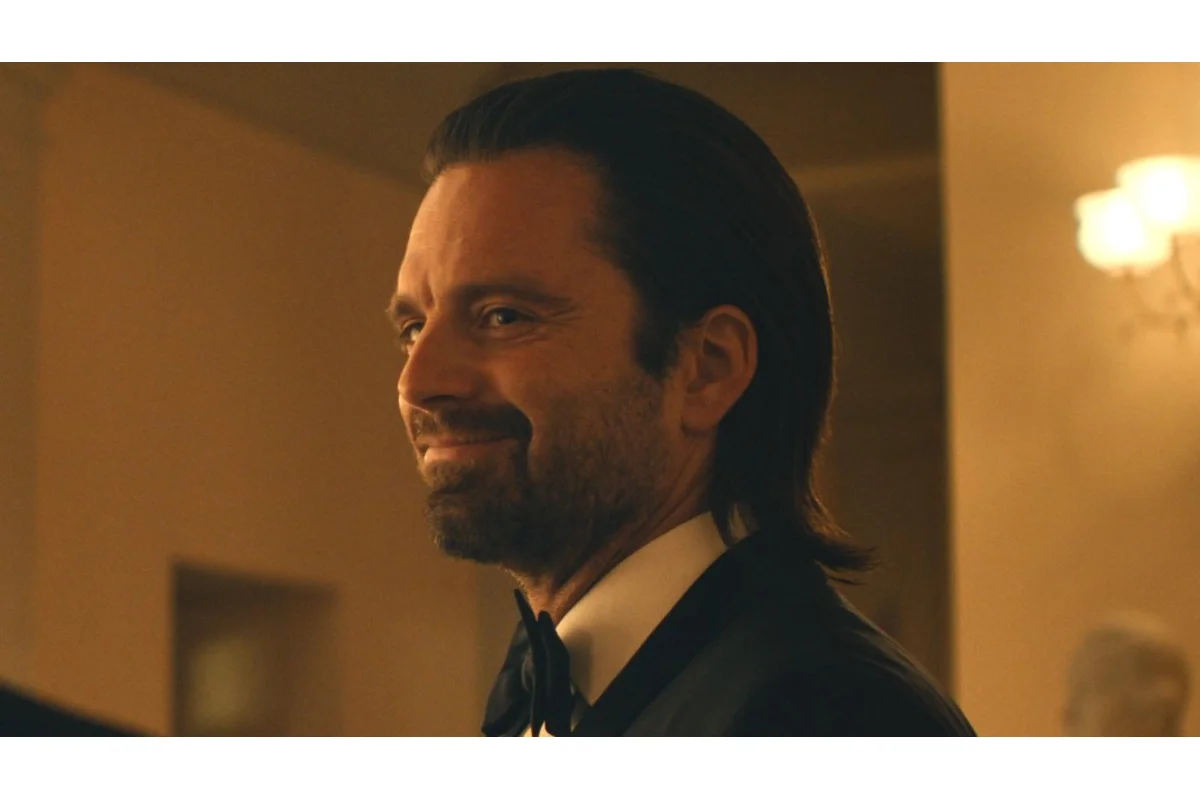
The HBO series IT: Welcome to Derry unveiled the deeper and more sorrowful origins of the Pennywise character Bob Gray, portrayed by Bill Skarsgård. While Bob Gray was initially introduced to audiences in IT: Chapter Two as a mysterious and monstrous clown haunting Beverly Marsh, the prequel series revealed that Bob was once a real man living in 1908, who eventually became the original Pennywise. This development is key for understanding the creature’s terrifying guise and its ties to human history in the town of Derry.
Signs connecting Bob Gray to Pennywise first appeared in IT: Chapter Two, where he was shown as the father of the eerie Mrs. Kersh, who transforms into one of IT’s monstrous forms. The prequel added layers by confirming Bob’s existence as a flesh-and-blood person before his transformation, a crucial shift in the narrative that deepened the mythology around the character and this horrific presence in Derry’s past.
Bill Skarsgård’s Insight on Bob Gray’s Tragic Backstory
In an interview with ScreenRant’s Grant Hermanns, Bill Skarsgård, who also serves as an executive producer, discussed the emotional complexity he found in playing Bob Gray, especially after diving into this original incarnation of Pennywise. Skarsgård expressed his excitement about exploring
a thing that we hadn’t explored before
regarding the character’s history, emphasizing how the new lore opened up fresh perspectives on the Stephen King creation.

Although Skarsgård had portrayed Bob briefly in IT: Chapter Two, he shared that he had
already thought about versions of him
before, imagining alternative backstories that eventually differed quite a bit from the scripts that were written:
quite different than what they had written in the scripts.
He noted his challenge was to avoid portraying Bob merely as a loving father in flashbacks, aiming instead to convey that
this guy has lived an entire life,
which contained some good parts but also
some of it has not been good at all.
Skarsgård offered a candid reflection on Bob’s nature, underlining the tragic elements he brought to the role:
I also thought that there was something very tragic about the guy. Yes, he loves his daughter. I think that that’s true, but I’m not so sure he’s happy in life in general. So, there was something about this kind of drunk, has-been clown that has this pipe dream of coming back to previous success that was quite amusing to me.
This complex portrayal exposes a deeply flawed man struggling against his own demons while carrying a semblance of genuine love.
Filming Bob Gray’s Pivotal Encounter with the Entity
One of the most striking scenes for Skarsgård was Bob Gray’s encounter with the entity masquerading as a child, which leads him into the woods. This moment reveals the beginning of Bob’s fate as he leaves behind a bloody handkerchief and later reemerges as Pennywise, having lost control to the creature. Skarsgård described this scene as a highlight of the production, noting that the crew and he
had some of the most fun with
it during filming.
He said improvisation played a significant role in shaping the tone of the scene:
laughed at a lot of things that came out
while exploring Bob’s drunken and troubled state. This approach contrasted with the more exaggerated performances Bob puts on when interacting with his daughter, shedding light on the darker and more vulnerable sides of the character.
Expanding Pennywise’s Lore: The Show’s Narrative Implications
The revelation of Bob Gray’s true origins provided one of IT: Welcome to Derry’s most significant twists, enriching Stephen King’s original material by giving audiences a clearer understanding of why Pennywise assumes the clown’s form. As co-creator and showrunner Jason Fuchs explained, the backstory helped clarify
why IT chose the form of Pennywise
—a character who was a beloved performer drawing children’s attention in the early 20th century.
This new information raises compelling questions about Bob’s ultimate fate after his journey into the woods. The most plausible assumption is that Pennywise devoured Bob, given the creature’s well-known voracious appetite. However, the storyline leaves room for alternative outcomes since Pennywise has been known to impersonate people without necessarily consuming them, especially when tormenting members of the Losers’ Club.
Future Possibilities for Bob Gray and Pennywise’s Story
The mystery surrounding Bob’s fate opens numerous narrative doors for potential future seasons of IT: Welcome to Derry. Whether through flashbacks, new characters investigating Pennywise’s history, or even a season set entirely in 1908, there remains ample material to explore. Skarsgård’s portrayal could return to expand on Bob’s backstory and deepen audience understanding of both the man and the monster.
New storylines might also revive characters like the younger Ingrid Kersh, who embraced her father’s legacy after Pennywise’s influence, or introduce fresh faces seeking to uncover the dark secrets hidden beneath Derry’s surface. Such developments could further connect the HBO series with Stephen King’s broader universe, adding richness to an already intricate mythos.
The Ongoing Cultural Impact of Pennywise and IT
Pennywise remains a central figure of horror in popular culture, and the character’s evolving backstory in IT: Welcome to Derry reaffirms this status. By exploring the human roots of Bob Gray and his descent into the monstrous Pennywise, the series crafts a narrative that is both unsettling and emotionally resonant, highlighting themes of tragedy, loss, and the darkness that can lurk within troubled souls.
This intricate portrayal by Bill Skarsgård, alongside contributions from creators such as Jason Fuchs and director Andy Muschietti, ensures that Pennywise will continue to captivate and terrify audiences, while leaving room for fresh revelations in the show’s future installments.
