
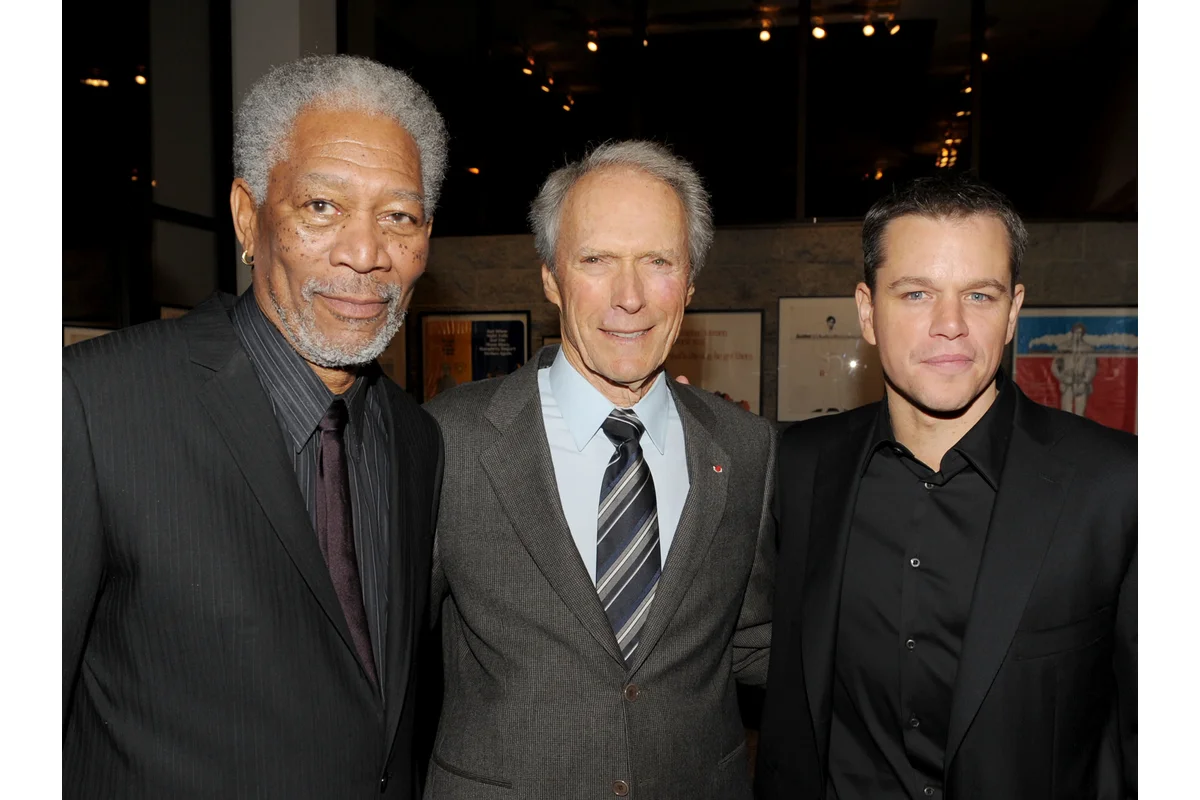
Actor Matt Damon recently shared insights into Clint Eastwood directing style, recounting how Eastwood declined to allow multiple takes during the filming of the 2009 movie Invictus. Damon revealed this episode while discussing his work on the film with Conan O’Brien, describing how Eastwood preferred moving forward after a successful first take early in production.
Damon explained that he had prepared extensively with a dialect coach to master the South African accent needed for his role as a rugby player, which ultimately earned him an Oscar nomination for Best Supporting Actor. He was confident and ready to explore different versions of a scene, but Eastwood’s approach left little room for retakes. Damon recalled Eastwood’s curt response when asked for additional attempts:
‘Why? You wanna waste everybody’s time?’
This exchange demonstrated Eastwood’s efficiency-driven directing style during the shoot.
Despite the firm stance on limiting takes, Damon expressed admiration for Eastwood, calling him one of his heroes. He described the director as “lovely” and noted that any refusals came with kindness. Damon also highlighted Eastwood’s respect for the crew’s efforts, explaining,
‘His whole mentality was… your crew will go to the ends of the Earth for you if as long as you’re not taxing them on every shot,’
emphasizing Eastwood’s consideration toward keeping production smooth and time-conscious.
Other Hollywood actors, like Tom Hanks from Eastwood’s film Sully, have echoed similar experiences, pointing out how Eastwood rarely yells “cut” but uses subtle cues to signal scene completion. This consistent directing style reflects Eastwood’s preference for minimal takes, prioritizing efficiency and respecting the cast and crew’s time.
The significance of Eastwood’s directing style lies in its balance of exacting standards with a practical approach to filmmaking, which can challenge actors to deliver strong performances quickly while fostering a collaborative set environment. As Damon’s account suggests, working under Eastwood demands thorough preparation and readiness, but also offers an atmosphere of mutual respect and kindness. This insight helps explain how Eastwood’s methods continue to influence actors and filmmakers across Hollywood.
