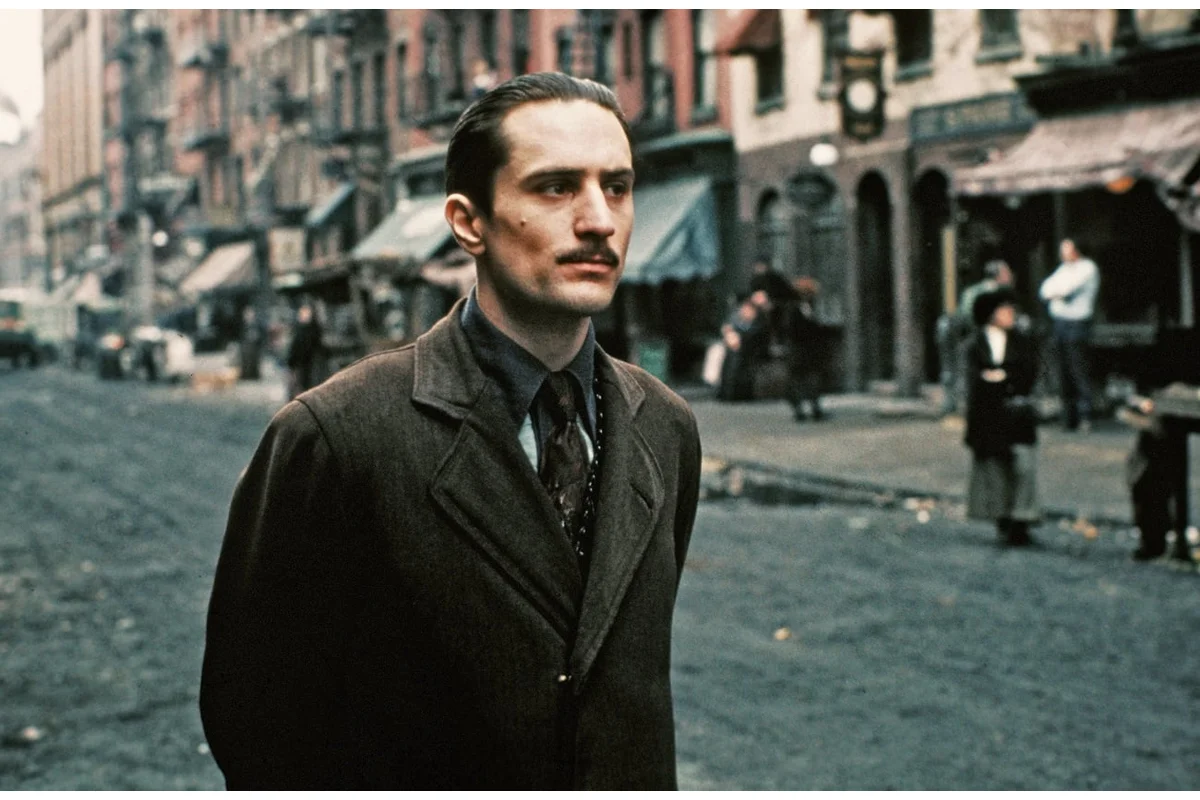
Robert De Niro, one of cinema’s most renowned figures, is known for commanding respect and influence on film sets, which can sometimes lead to tensions with fellow actors. During the production of the acclaimed movie Silver Linings Playbook, De Niro exercised his authority by refusing to share a scene, sparking a notable disagreement. This incident took place under the direction of David O. Russell and involved the distinguished Indian actor Anupam Kher, highlighting De Niro’s commitment to maintaining character integrity in the film.
The Context: De Niro’s Professional Integrity on a Prestigious Project
Although Robert De Niro has rarely been labeled difficult despite his legendary status and dedication to method acting, he does assert himself especially when working on serious films. His role in Silver Linings Playbook brought him his first Oscar nomination for Best Supporting Actor in over 20 years. The film itself earned all four of its leading actors nominations, with Jennifer Lawrence taking home the winner’s trophy. Given the film’s prestige, De Niro was keen on preserving the story’s realistic relationships on screen, which led to his objection.
Anupam Kher, a celebrated actor in Bollywood with an extensive career spanning over five decades, played Cliff Patel, a friend and therapist to Bradley Cooper’s character, Pat Solitano Jr. Despite Kher’s fame outside Hollywood, on this set, he was still viewed as less established than De Niro, who is widely regarded as a living legend.
Why De Niro Did Not Want to Share a Scene with Anupam Kher
Sikandar Kher, Anupam Kher’s stepson and an actor himself, described the situation: De Niro believed that his character would not realistically allow Kher’s character into the house because of personal dislike. This belief led De Niro to reject Kher’s presence in their scene during rehearsals, demonstrating his dedication to character consistency and the film’s tone.
“Robert De Niro is my father’s favourite,”
Sikandar Kher explained.
“And he got a chance to work with him on Silver Linings Playbook. And there was a little situation on set. During rehearsal, De Niro thought that my father shouldn’t be in the scene. He felt that his character wouldn’t let my dad’s character in the house because he didn’t like him.”
This refusal marked a rare moment of tension, given De Niro’s reputation as a consummate professional. However, Kher did not accept this without pushback.
Anupam Kher’s Stand for His Role and Respect
Determined to work with his idol, Anupam Kher confronted the director David O. Russell about the decision. Sikandar Kher recalled how his father openly challenged De Niro’s veto, even at the risk of losing his part in the film.
“He went and gave the director a piece of his mind in front of the whole set,”
Sikandar said.
“My father is nobody there, he’s from Indiana. He could’ve lost that part. But he went there and just did it, and held onto his self-respect.”
Although De Niro initially blocked Kher from the scene, the director ultimately sided with Kher, allowing the actor to remain in the cast and appear onscreen alongside the veteran star. This incident revealed a clash between artistic vision and professional determination on a set filled with high expectations.
The Lasting Impact of This Conflict on the Film and Its Cast
This episode illustrates how even legendary actors like Robert De Niro weigh character authenticity carefully, especially in critically acclaimed projects like Silver Linings Playbook. Kher’s insistence on maintaining his role despite De Niro’s opposition highlights the challenges actors face when working alongside industry giants. The film’s success, which included multiple Oscar nods and Jennifer Lawrence’s win, shows that such disagreements do not necessarily hamper the overall quality of a production but reflect the intensity and high stakes involved in making acclaimed cinema.
Going forward, this incident may serve as a reminder of the complex dynamics behind the scenes when artists with strong convictions collaborate, and how creative tensions can ultimately contribute to the film’s depth and realism.