
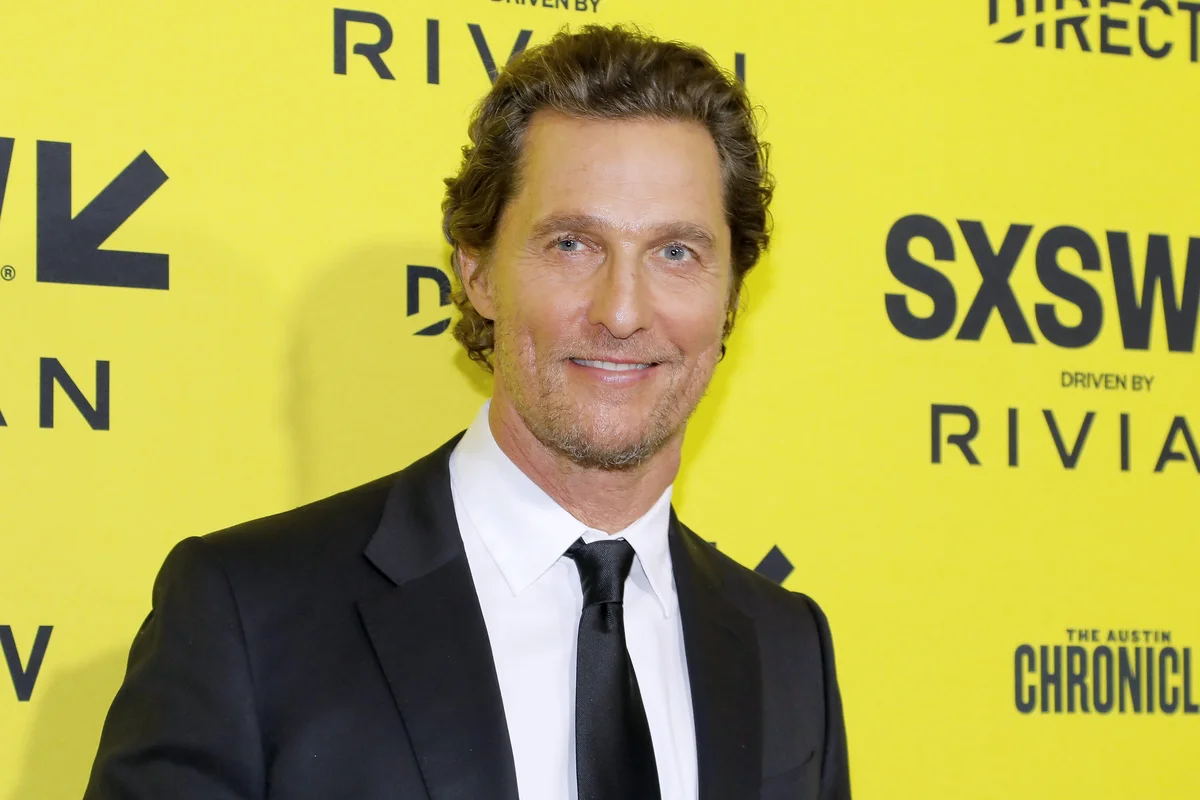
Matthew McConaughey’s legal team has taken steps to prevent unauthorized AI use of his iconic catchphrase by securing trademark protections. These efforts aim to regulate how AI replicates the actor’s voice and likeness, ensuring that his famous phrase is not exploited without permission.
Legal Safeguards Against Unauthorized AI Replication
Represented by entertainment law firm Yorn Levine, McConaughey has successfully obtained eight trademarks through the U.S. Patent and Trademark Office over recent months. These trademarks protect key elements of his persona, including audio and video clips, to guard against misuse of his identity in AI-generated content. The most notable trademark is for the sound mark of McConaughey’s line “Alright, alright, alright!” from the 1993 film Dazed and Confused, which has become closely linked with him.
Beyond that phrase, the trademarks cover various short video clips of McConaughey, such as a seven-second clip featuring him standing on a porch and a three-second clip of him seated before a Christmas tree. Audio trademarks also include a sequence of McConaughey’s voice saying, “Just keep livin’, right?” followed by a pause, then “I mean,” another pause, and finally ending with
“What are are we gonna do?”
Details of Trademark Protection for Iconic Phrases
The trademark registration specifies the unique qualities of McConaughey’s “Alright, alright, alright” catchphrase. The sound mark describes the pitch pattern in the delivery:
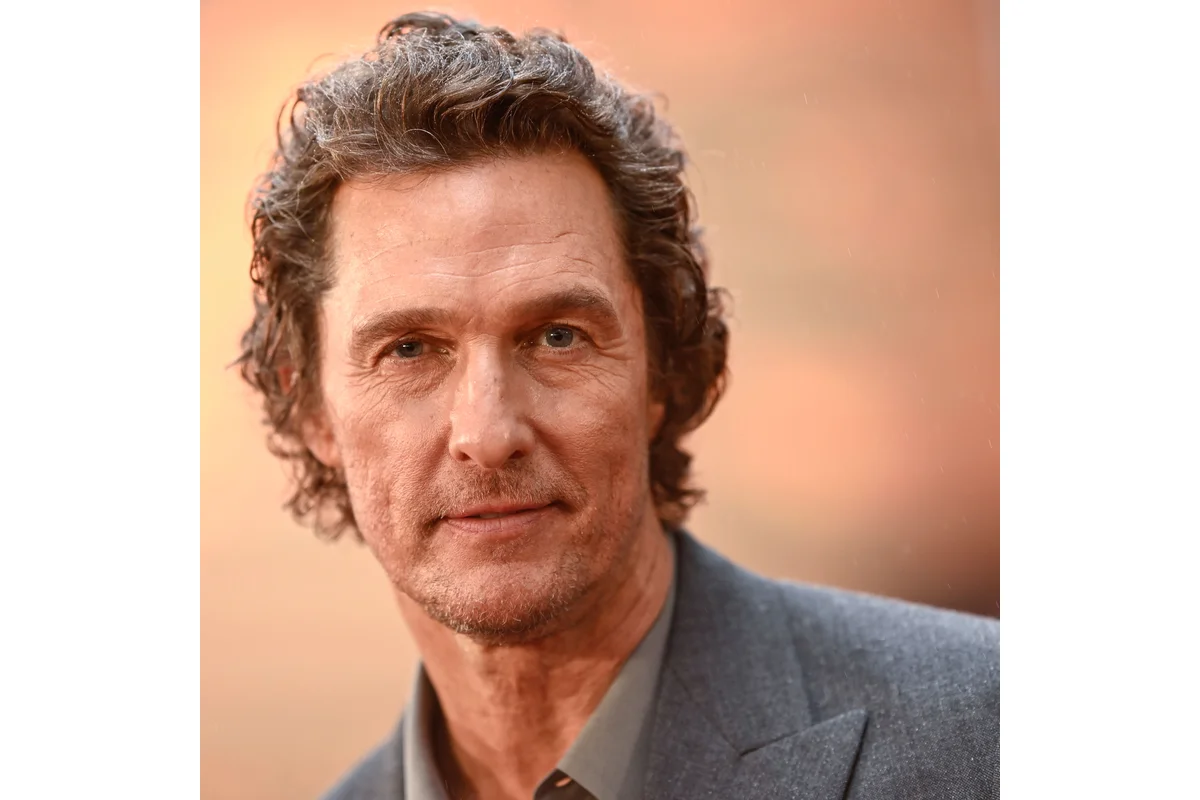
“The mark consists of a man saying ‘ALRIGHT ALRIGHT ALRIGHT’, wherein the first syllable of the first two words is at a lower pitch than the second syllable, and the first syllable of the last word is at a higher pitch than the second syllable.”
McConaughey’s lawyers applied for this protection in December 2023, with official approval granted by the USPTO in December 2025.
While state rights-of-publicity laws already protect celebrities from unauthorized use of their image or likeness for commercial purposes, Yorn Levine’s trademark approach allows McConaughey to pursue legal action in federal courts. This is particularly important when AI-generated content does not directly involve product sales but still exploits his persona.
Legal Experts on the Challenges of Defending AI Misuse
I don’t know what a court will say in the end. But we have to at least test this,
said Kevin Yorn, partner and co-founder of Yorn Levine, the firm representing McConaughey. Yorn also manages legal matters for other top Hollywood stars, including Zoe Saldaña and Scarlett Johansson.
Adding to this perspective, Jonathan Pollack, an of-counsel attorney at Yorn Levine, stated,
In a world where we’re watching everybody scramble to figure out what to do about AI misuse, we have a tool now to stop someone in their tracks or take them to federal court.
Balancing Protection and Innovation in AI Use
The trademarks not only offer McConaughey defensive measures against misuse but also open doors for responsible AI-driven projects. Recently, McConaughey partnered with AI voice company ElevenLabs to create a Spanish version of his newsletter Lyrics of Livin’, using a digital rendition of his voice. Both the actor and Kevin Yorn have investments in ElevenLabs through the venture-capital firm BroadLight Capital, co-founded and partnered by Yorn.
The intellectual property rights for these trademarks are held by J.K. Livin Brands Inc., based in Sherman Oaks, California, which also manages McConaughey’s Just Keep Livin apparel business. This strategic combination of legal protection and business development aims to ensure McConaughey’s persona is safeguarded while allowing him to explore emerging AI possibilities responsibly.
