
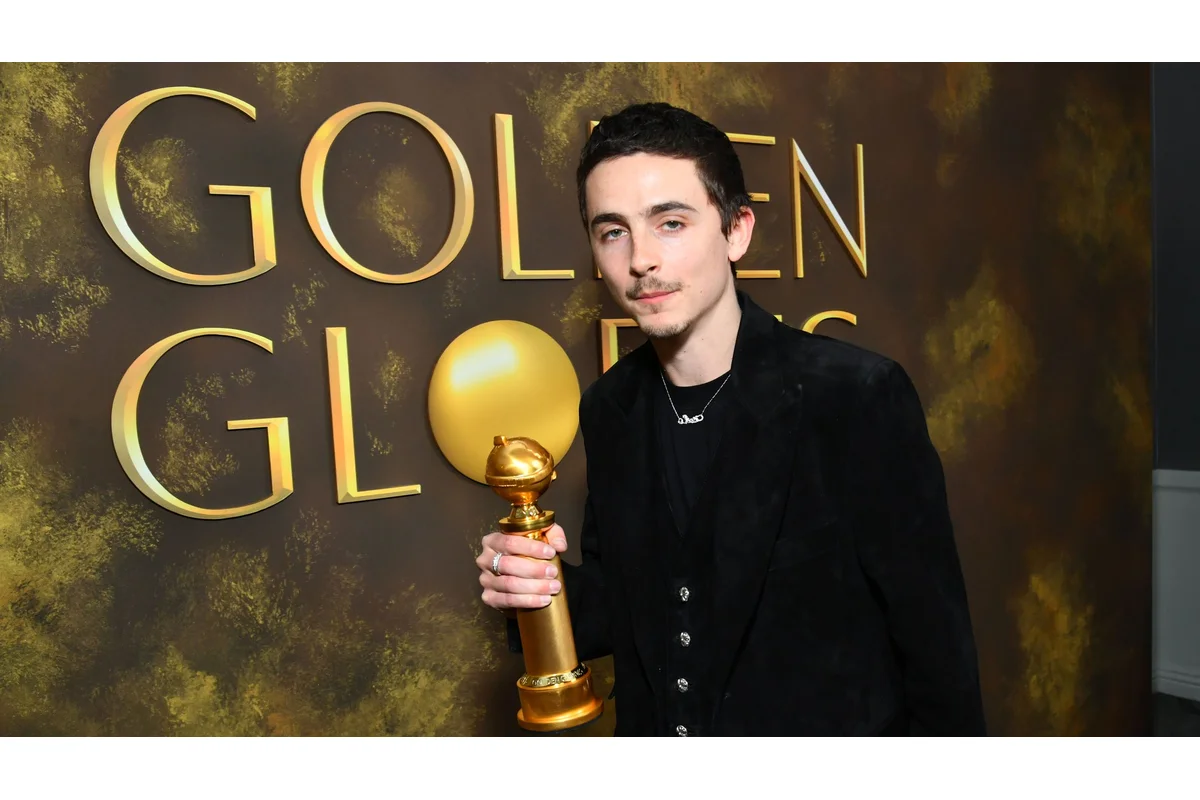
Director Josh Safdie disclosed that an earlier version of Marty Supreme concluded with Timothée Chalamet’s character, Marty Mauser, actually transforming into a vampire. This unexpected cut ending emerged during Safdie’s conversation on the A24 podcast with filmmaker Sean Baker, where Safdie explained that discussions with co-star Kevin O’Leary inspired a much stranger finale than the one released. The original concept saw Marty becoming a vampire following a pivotal encounter at a Tears for Fears concert set in the 1980s.
The Vampire Transformation Scene and Its Development
Safdie detailed the scene in which Kevin O’Leary’s character, Milton Rockwell, bites Marty’s neck while wearing prosthetics built to create the vampire effect. This moment was designed to be the final image of the film. According to Safdie, the decision to include this supernatural element initially made many, including A24 executives, question whether it was a mistake.
You’re on his eyes — we built the prosthetics for Timmy and everything — and Mr. Wonderful shows up behind him and takes a bite out of his neck,
Josh Safdie said.
That was the last image of the movie.
Oh my God, Sean Baker reacted. Wow.
Safdie noted that O’Leary’s character was portrayed as someone who hadn’t aged since earlier decades, deepening the mysterious nature of his role.
From 1950s Origins to a 1980s Finale
The intended ending would have shifted the film’s timeline forward from its initial 1950s setting to the 1980s, showcasing an older Marty Mauser, who has transformed his modest shoe store into a lucrative franchise. Despite his wealth, Marty never achieved the ping pong stardom he dreamed of. The closing scenes were to involve Marty attending a Tears for Fears concert with his granddaughter, reflecting on his life as the band performed
“Everybody Wants to Rule the World.”
It was at this event that Marty would encounter Milton Rockwell one last time, setting the stage for the vampire encounter. Safdie explained that this era was intentionally chosen to emphasize cultural contrasts and evoke the nostalgia of the 1950s revisited through the lens of the 1980s.
The 80s were a very interesting time, the beginning of postmodernism. They were revisiting the opulence and prosperity of the 50s. The culture was — ‘Back to the Future’ was literally the 80s going back to the 50s,
Safdie said.
I’m like, ‘Oh, this could all tie it all together.’
I can’t believe I’m saying this,
Safdie added, expressing some surprise at how far this concept had evolved.
Elements of the Vampire Concept That Remain in the Final Film
Although the vampire ending was removed, Marty Supreme retains some echoes of the idea. The film concludes with the Tears for Fears track
“Everybody Wants to Rule the World,”
but this moment occurs in a 1950s hospital setting rather than a concert in the 1980s. Additionally, O’Leary’s character delivers the line,
I was born in 1601. I’m a vampire,
in the third act. Without the supernatural finale, this statement serves as theatrical exaggeration rather than a literal revelation.
Safdie revealed that Kevin O’Leary himself contributed the vampire line during early meetings with the filmmakers, embedding some of his personality into the character.
We were meeting with him and we were trying to figure out, ‘How would Kevin O’Leary react to this kid saying to him that money doesn’t matter to him, there are other things that are more important, this is fate in front of him?’
Safdie recalled.
(O’Leary) goes, ‘I would never do anything that could ever implicate me in any other way, so I would use the dark arts.’
The Impact and Future of the Film’s Narrative Choices
Safdie’s initial vampire ending would have added a jarring supernatural twist to Marty’s journey, transforming the film’s tone dramatically at its close. However, the final cut instead emphasizes emotional resolution, focusing on Marty’s reflections and relationships without venturing into the paranormal. This decision keeps the story grounded in its nostalgic yet chaotic world, allowing the ending to resonate more intimately with audiences.
The retained references to vampirism and the 1980s setting hint at the creative risks explored during the film’s development, offering insight into the filmmakers’ ambitions and the fluid nature of storytelling choices. Fans intrigued by these behind-the-scenes details may continue to look for clues within the film’s dialogue and atmosphere that nod to the scrapped, more fantastical vision.

Related semantic context: related coverage · external reference.
