

David Harbour, known for his role as Jim Hopper on Netflix’s Stranger Things, has openly shared how psychotherapy has significantly supported his mental health. The actor, 50, who revealed he was diagnosed with bipolar disorder at age 25, highlighted the valuable benefits of therapy combined with medication in managing his condition.
Harbour explained that his mental health has improved since beginning psychoanalysis, emphasizing the importance of therapy as a key element in treatment.
Ongoing Therapy and Sobriety’s Role in Healing
Throughout his journey, Harbour has maintained regular therapy sessions, particularly since becoming sober in 1999. He noted that quitting drinking brought unresolved issues to the surface, which therapy has helped him confront and work through over time.
He recently intensified his psychotherapy, a change he describes as transformative for his mental health management.
Understanding Harbour’s Experience With Manic Episodes
Harbour detailed the nature of his manic episodes, describing how his thoughts become chaotic and disordered. Elements such as names, numbers, and colors take on distorted meanings, fueled by a deep narcissistic feeling of being the center of the universe. Each episode, he observed, reflects specific personal fixations and his unique psychological condition.
Advocating for Accessible Therapy and Support
The actor urged people to seek therapy or join affordable support groups, underscoring that medication alone is insufficient for full recovery. Harbour emphasized that persistent personal effort and professional help are essential for improvement, encouraging those who cannot afford therapy to find community resources.
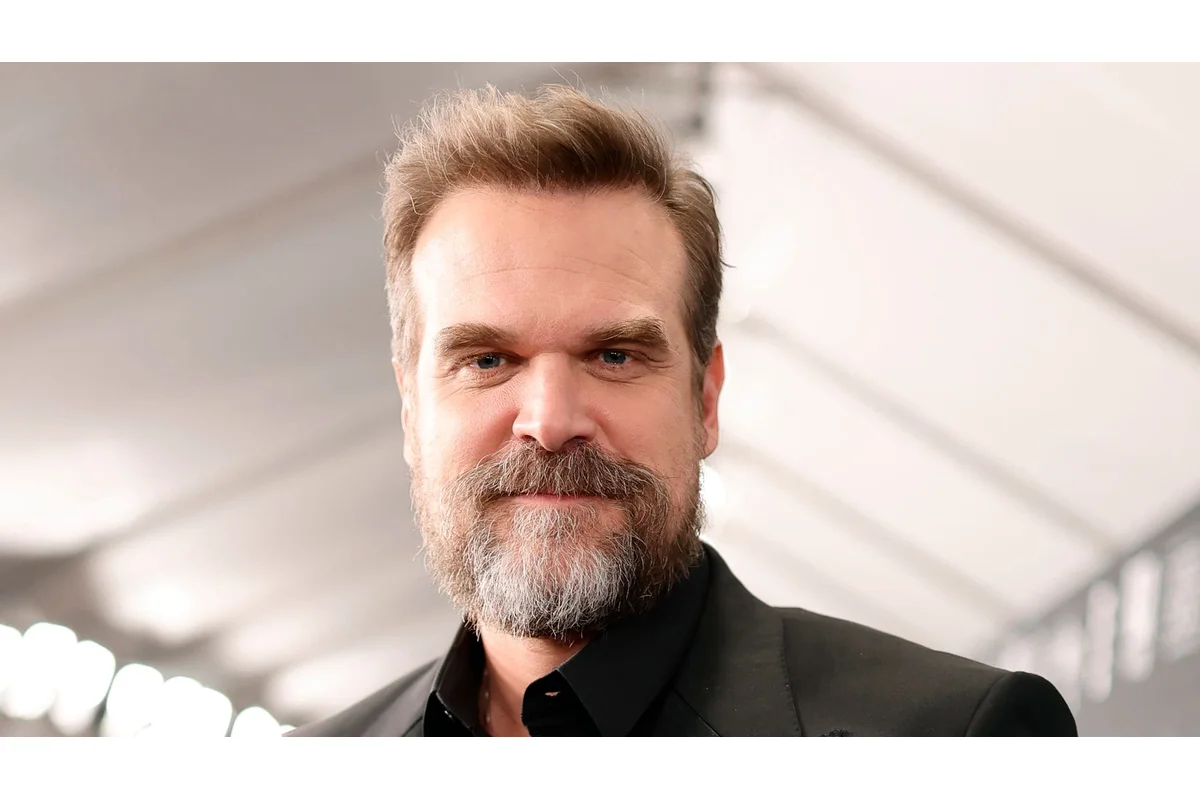
“There has been a great resurgence in the idea that psychotherapy, along with responsible medication, is key to remission,”
said David Harbour, reflecting on the evolving understanding of mental health treatment.
“I have not had a manic flare-up since I started psychoanalysis with a good therapist,”
he continued.
“Medication alone is only half the battle. There is not a cure-all formula, there is only hard individual work. If you can’t afford therapy, find groups that don’t charge or don’t charge much. You will improve.”
“I have been in therapy since I got sober in 1999,”
Harbour recalled.
“When I quit drinking, it forced me to confront a lot of demons that rose to the surface.”
“Only recently have I started intense psychotherapy,”
he added,
“and it has made a world of difference in my treatment.”
“Thought becomes disordered and chaotic. Things that have no meaning became meaningful. Names, numbers, and colors acquire a twisted symbolism,”
Harbour described.
“There is a fundamental narcissism at the bottom of it all that makes me think I am the center of all things, for good or for ill. My manic episodes are, of course, a manifestation of my own particular psychopathy. They all share those traits, but each episode has been linked to certain fixations I had at the time.”
Harbour’s Broader Career and Public Attention
David Harbour’s acting repertoire extends beyond Stranger Things, including roles in films like Black Widow, Thunderbolts, and Revolutionary Road. Outside his career, recent media attention has focused on his public split from singer Lilly Allen and speculation about personal dynamics with co-star Millie Bobby Brown.
The Importance of Sharing Personal Mental Health Journeys
Harbour’s openness about his struggles aims to offer hope to others facing similar challenges with mental illness. By highlighting the effectiveness of dedicated therapy alongside medication, he contributes to a broader conversation about mental health care and recovery options.
