
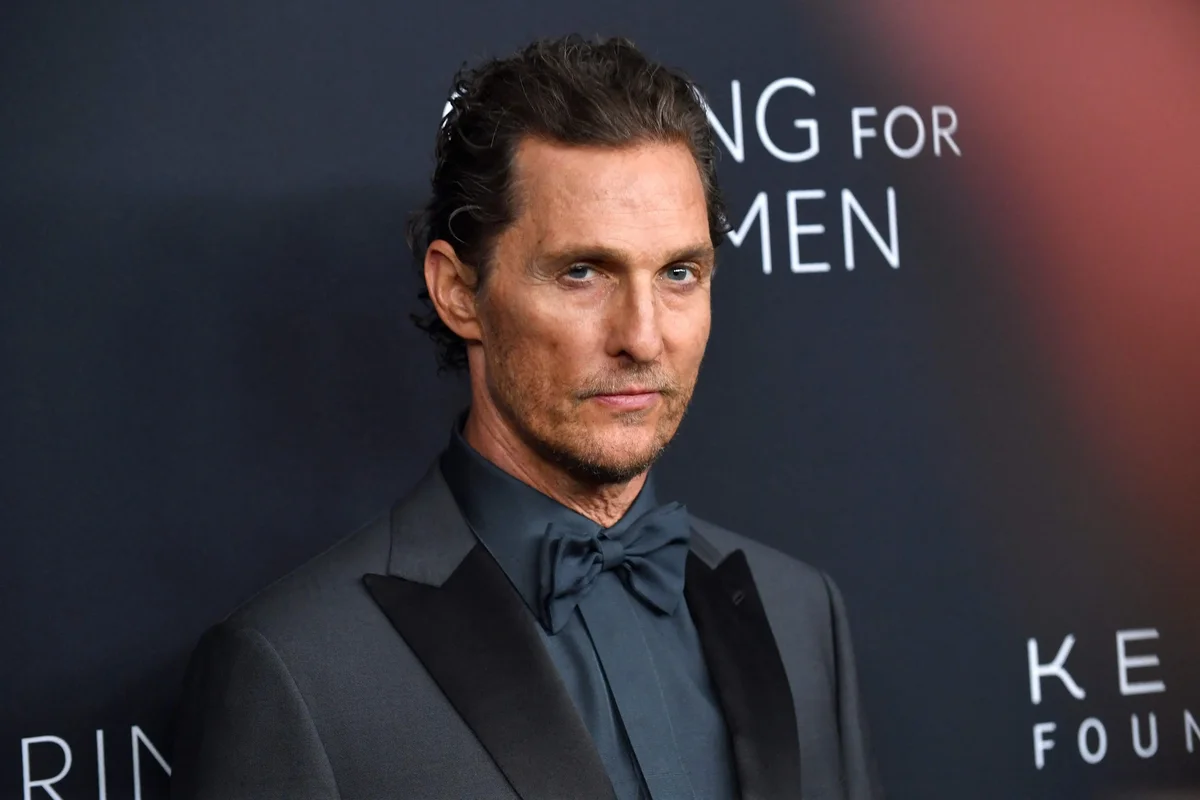
Matthew McConaughey has secured a trademark on his distinctive phrase “Alright, alright, alright” as part of an effort to prevent generative artificial intelligence from using his famous line without authorization. This move, finalized in December after filing in 2023, reflects growing concerns over how AI may appropriate human creativity, especially iconic expressions linked to individuals. The actor’s trademark targets the phrase’s unique vocal pattern, aiming to control its replication, particularly within AI-generated content.
How McConaughey’s Trademark Limits AI Use of His Signature Phrase
In an industry where generative AI ingests massive amounts of creative work to produce new content, McConaughey’s trademark presents a legal attempt to protect a slice of human originality. The U.S. Patent and Trademark Office granted him a soundmark specifically characterizing the cadence of him saying “ALRIGHT ALRIGHT ALRIGHT,” defined by distinct pitch changes across syllables. This precision aims to prevent AI programs from mimicking the phrase’s intonation without permission.
McConaughey’s legal team secured seven additional trademarks covering other aspects of his persona. These include brief video clips, such as a seven-second shot of him standing on a porch and a three-second clip featuring him in front of a Christmas tree. Another trademark includes an audio clip with McConaughey saying, “Just keep livin’, right?” followed by strategic pauses and the question, “What are we gonna do?”
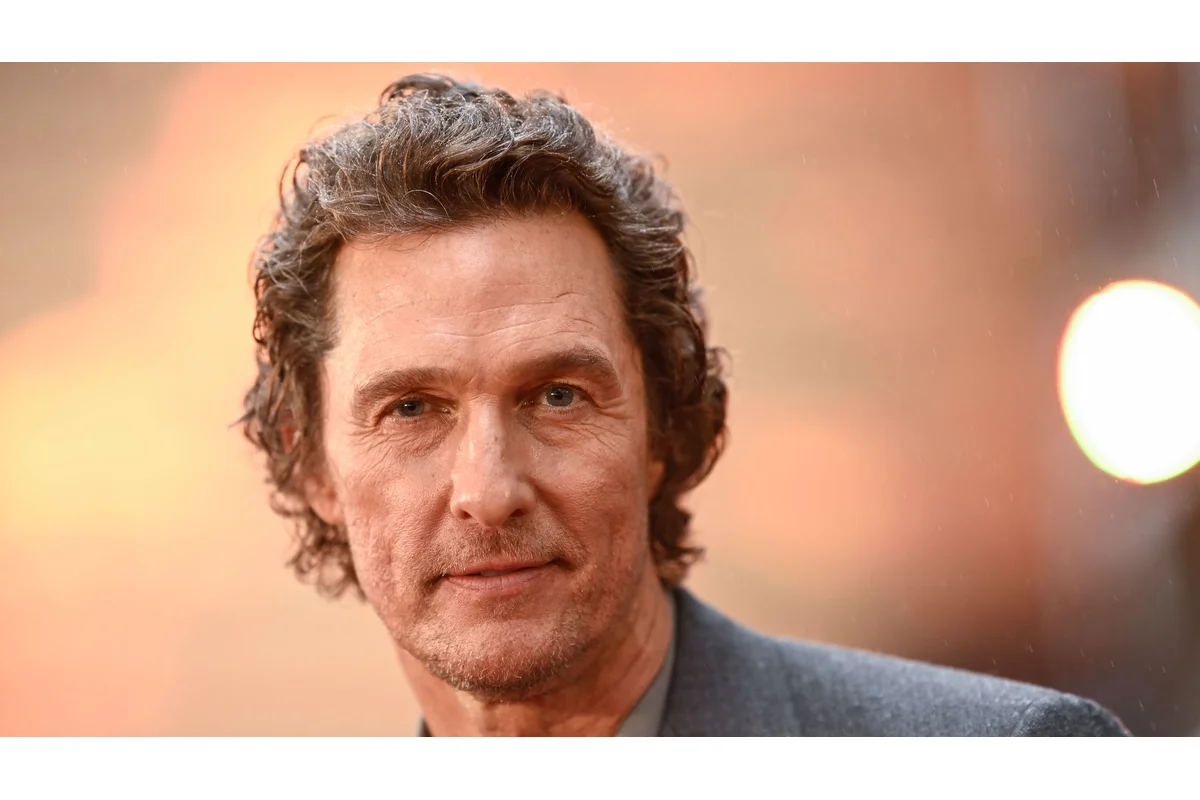
Context Behind the Trademark Effort and Its Implications
The decision to trademark this phrase and other moments highlights the tension between human creativity and AI’s capacity to simulate it. While AI companies continue to push boundaries using amassed human cultural input, individuals like McConaughey seek to claim legal protections to preserve unique elements of their identity. This is especially notable because McConaughey is not inherently opposed to AI technology; he has partnered with a company to produce a Spanish-language version of his newsletter narrated in his own voice.
The concern remains around unauthorized replications of his distinctive voice and phrases without compensation. By trademarking his famous line and other vocal and visual trademarks, McConaughey’s legal team gains potential leverage for future lawsuits if AI firms deploy his signature style without consent. This step also underscores growing unease about how widespread cultural material from real people might be harvested and used in AI-generated works.
What This Could Mean for the Future of AI and Creative Rights
McConaughey’s trademark action may set a precedent for celebrities and creators seeking to control how their unique voices and expressions are used in the AI era. As AI continues to generate highly convincing imitations of human speech and behavior, securing legal protection over recognizable traits becomes more urgent. This case exemplifies how the intersection of technology and intellectual property law is evolving, raising new questions about the boundaries of AI creativity and human cultural ownership.
The effort to protect his “Alright, alright, alright” phrase highlights a deeper uneasiness over potential AI overreach that could blur the lines between homage and unauthorized usage. It signals that legal frameworks will increasingly come into play as individuals assert control over how their identity is represented in digital and AI-driven media.
