
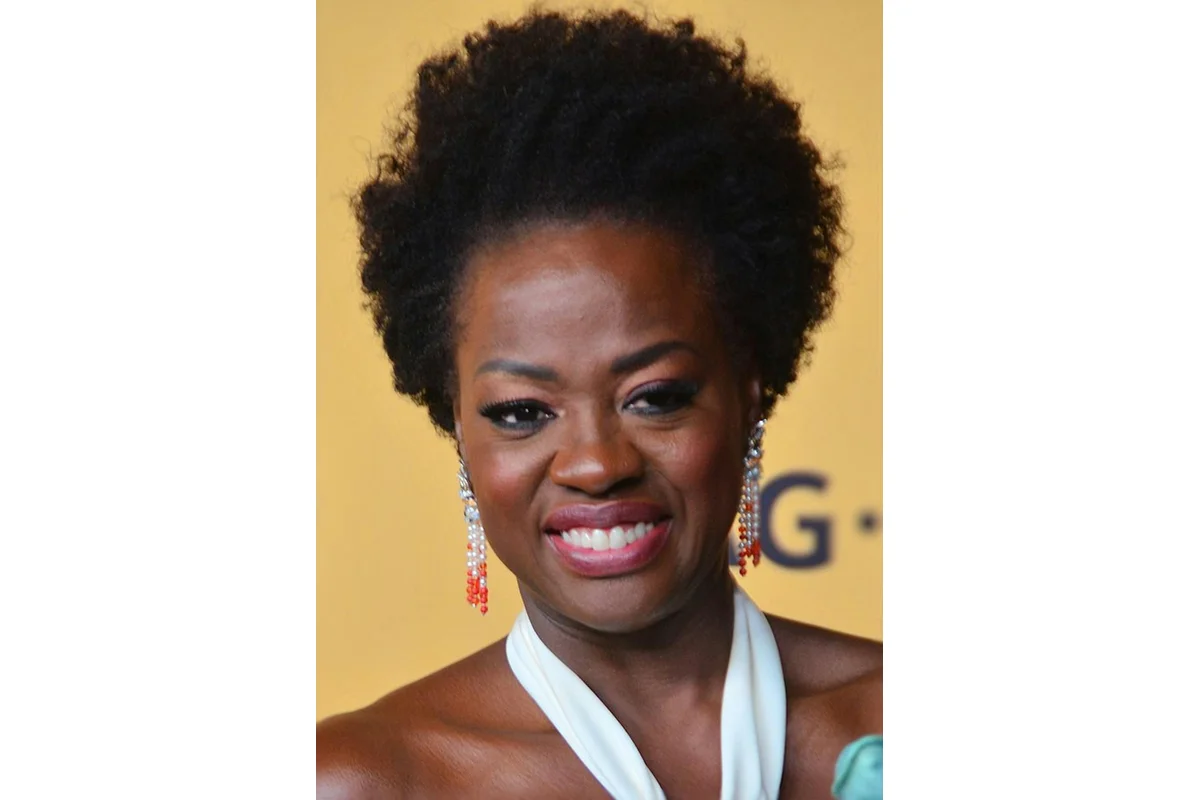
Viola Davis, widely recognized for her Emmy, Grammy, Oscar, and Tony awards, presented a profound message at the world premiere of her new documentary Food 2050 on Wednesday night at the Academy Museum of Motion Pictures’ Ted Mann Theater. The event, hosted in Los Angeles and backed by Foodtank, Media Red’s Tom Leach, and The Rockefeller Foundation’s Roy Steiner, spotlighted the urgent need to rethink global food systems.
Davis highlighted the deeper value of self-worth and empathy over fame or material success during her acceptance of the Global Humanitarian Achievement Award at the premiere. Throughout her emotional speech, she connected her personal journey from childhood poverty to stardom, bringing attention to the persistent issue of hunger and the hope inherent in confronting it.
Viola Davis Reflects on Her Journey from Hunger to Hope
During her acceptance speech, Davis shared her feelings of exhaustion and vulnerability, stating,
“You know, I’ve been drained lately. Really drained. I think it’s hard to not speak from your heart lately. I don’t think there’s any sort of performative masks left.”
She likened the experience to a struggle between who we have become and who we could be, a concept she described as the true definition of “Hell.”
Davis candidly recounted how her childhood desires initially drove her to become an actress.
“I wanted to become an actress because I wanted to become famous because I wanted to make money and I wanted to have a refrigerator that was full of food, and a house, and a bed that wasn’t bought at the Salvation Army,”
she revealed. But she soon recognized that her career was merely a catalyst in a much larger, more meaningful journey.
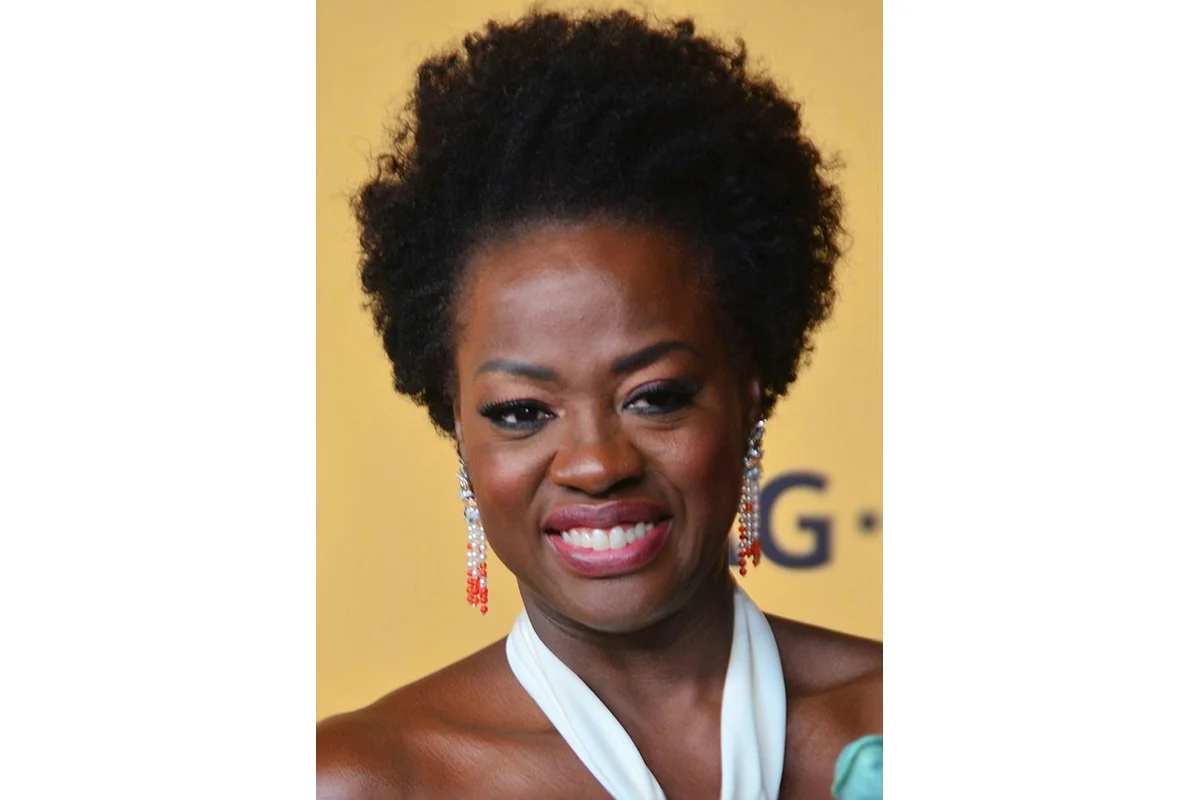
Her story shifted focus to the emblematic figure of “Little Viola,” her six-year-old self.
“So I go on this unbelievable journey, and who do I meet? Who becomes my hope, but Little Viola? She’s standing here now. All of her teeth were rotten, but she was great. She was smart. She was a bed wetter, but she was great. And she was always hungry. Every single minute of the day, that’s all she thought about.”
This portrayal reflected the harsh reality of childhood hunger and vulnerability, anchoring the emotional core of the film and Davis’s advocacy.
The Role of Self-Compassion and Empathy in Creating Change
Davis emphasized that real hope lies in reconnecting with the parts of ourselves most in need of care: the child we once were and the elder we someday will become.
“I’ll tell you where the hope is: The hope is, in my opinion, connecting to that story; the two people that you owe the most two — your 6-year-old self and your 80-year-old self,”
she said.
“And that 6-year-old self who hasn’t been touched by the world yet will tell you exactly where you need to go. That is the hope, and I guarantee you that 6-year-old self wants way more than money and a big refrigerator and a nice house in Beverly Hills. They want you to care.”
She explained the transformative power of this connection, revealing,
“And I will tell you one thing, too, is Little Viola, with rotten teeth, a bed wetter, who never felt pretty … just wanted to feel worthy. That’s better than an EGOT. Imagine if you had the power within you to make people feel worthy. That’s my hope.”
Davis also opened up about overcoming shame tied to hunger, listening to her younger self’s voice:
“And, by the way, it’s interesting that when I piggyback to Little Viola, she wasn’t talking about becoming an actress, she was always just telling me, ‘Tell them how we were always hungry. Get over the shame, Viola.’ So you know what I did? I listened to her. And here I am, talking and sharing my story in a room full of people who I know have empathy so I know shame can exist. That’s the hope, harness your story.”
About the Food 2050 Documentary and Its Vision
Food 2050 explores what the world’s food systems could look like 24 years from now if there is a collective commitment to building sustainable, equitable, and regenerative food networks. The documentary, narrated and executive produced by Viola Davis, features insights from 10 change-makers worldwide who are actively contributing to this transformation.
Produced over five years, the film highlights the efforts and investments made by organizations such as The Rockefeller Foundation, which has dedicated $220 million toward similar initiatives during this period. The project frames a hopeful narrative against the backdrop of climate change, food scarcity, and social inequality.
Discussion and Celebration at the Premiere Event
The premiere evening, hosted by Foodtank president Danielle Nierenberg, included panel discussions with leading activists, scientists, agriculturists, and entrepreneurs. Notable contributors included Marion Nestle, Manoj Kumar, Angelo Garcia, Ndidi Okonkwo Nwuneli, Matte Wilson, Sara Farley, and director Matthew Thompson. This gathering of experts fostered a robust dialogue around the challenges and innovations shaping the future of food.
Guests also enjoyed a reception featuring dishes inspired by the food highlighted in the documentary, crafted by Wolfgang Puck in partnership with Niman Ranch, further emphasizing the event’s immersive celebration of sustainable food systems.
Viola Davis Highlights the Emotional Impact and Future Significance
Reflecting on her experience narrating Food 2050, Davis admitted to a powerful emotional response, saying,
“When I narrated it, I didn’t know what to expect and I did cry a little bit on the way home. I did. Because it’s a vision for the future that’s not dystopian. It’s a vision for a nourishing, regenerative and equitable food system by 2050.”
She concluded by emphasizing the documentary’s lasting impact:
“You can either leave something for people or you can leave something in people, and I think this documentary is going to leave something in you that you’re not going to be able to deny.”
