
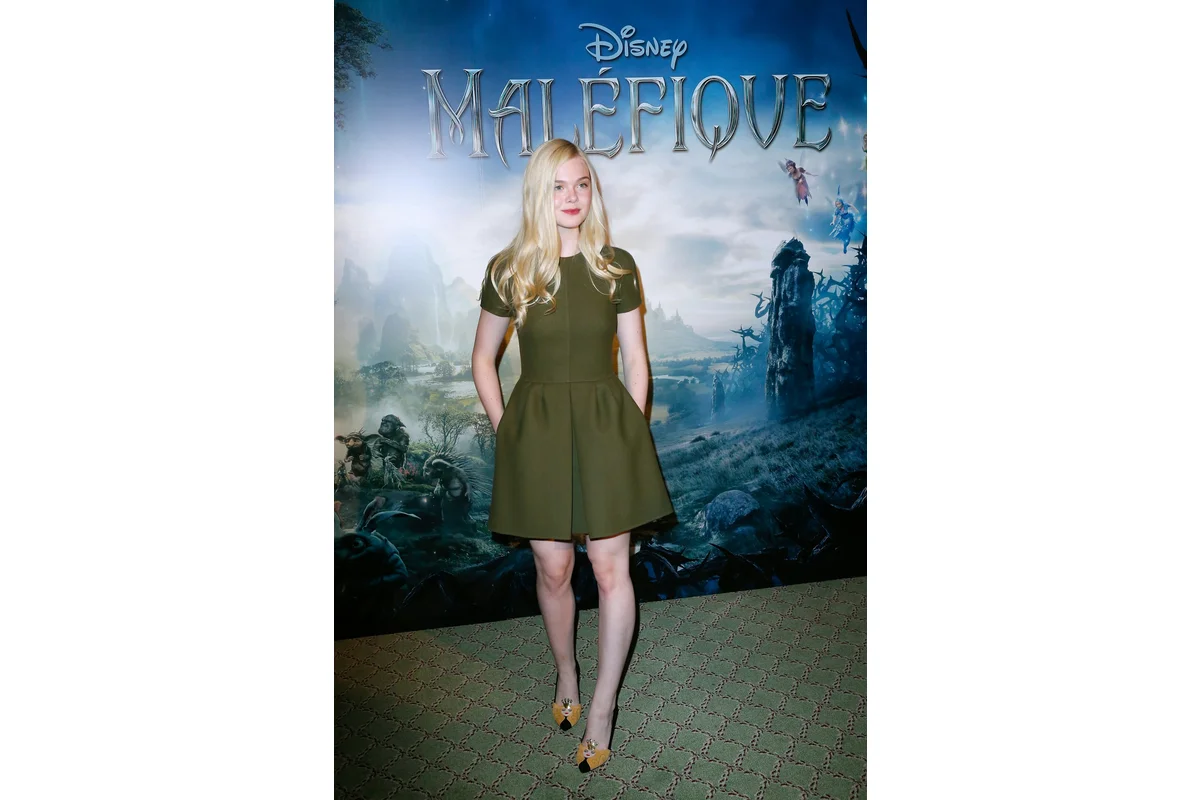
Elle Fanning, known for her roles in A Complete Unknown and Predator: Badlands, will make her first appearance in a Super Bowl commercial this year, starring alongside Andy Samberg in an advertisement for Hellmann’s Mayonnaise. The ad is set to air during the 2026 Super Bowl, merging Fanning’s family’s deep connection to football with the excitement of the biggest game of the year.
Fanning revealed that football holds a special place in her family history, as her grandfather, Rick Arrington, was a quarterback for the Philadelphia Eagles during the 1970s. This connection has made the Super Bowl a longstanding family tradition, bringing everyone together each year to watch the game.
A Fun and Absurd Twist for Hellmann’s Latest Super Bowl Spot
The 2026 Hellmann’s commercial returns to the deli setting featured in last year’s ad but shifts the tone from nostalgic to absurd. Unlike the previous spot, which playfully referenced the classic film When Harry Met Sally, this year’s advertisement showcases Andy Samberg channeling his Lonely Island days as “Meal Diamond,” a character inspired by Neil Diamond. Samberg performs a humorous song about mayonnaise and sandwiches while Fanning plays an impressed customer.
Fanning spoke about the contrast between the two commercials, saying,
“Last year’s spot was so clever and so funny, and almost said with a wink, it was very cheeky and just very clever. When Harry Met Sally is such an iconic film, and I felt like that that spot was very iconic and super memorable.”
She added,
“With Super Bowl commercials, everyone’s trying to have one that’s going to make a splash and impact and be memorable, and so I feel like this year, I hope we’ll do just the same.”
– Elle Fanning, Actress
Why Elle Fanning Was Drawn to the Mayonnaise-Themed Campaign
Fanning described her enthusiasm for the project, noting that the decision to participate was easy, not only because of the entertaining concept but also because of her genuine fondness for mayonnaise.
“Mayonnaise can be a controversial topic at times, people either like it or they don’t,”
she explained.
“I love mayonnaise, and I put it on everything, so it was kind of perfect for me.”
She also shared that in her household, mayonnaise is an essential ingredient beyond just sandwiches, featuring in a favorite spinach dip recipe. Fanning joked about her love for sandwiches, saying,
“A sandwich would be my last meal.”
Working With Andy Samberg Added Energy to the Shoot
The presence and energy of Andy Samberg greatly enhanced the filming experience for Fanning. She described the day as “joyous” and fun, especially since it was her first time meeting Samberg, who was very kind and engaged creatively on set.
“He was, you know, throwing out little ideas… it was very fast paced and I got to be really funny and kind of go big and and respond to what he was doing. So I really enjoyed bouncing off of him in that way, and getting to watch him in action, and see his talent in action, was super cool.”
– Elle Fanning, Actress
Fanning also appreciated Samberg’s playful homage to Neil Diamond’s “Sweet Caroline,” noting,
“‘Sweet Caroline’ is a tune that we all know very well, it’s a song that we all love, and for him to kind of incorporate that and have his signature funny lyrics to go along with it and a big backstory, I was just excited to go along and hopefully make a commercial that people are going to laugh at and find memorable, and that’s going to stand out.”
– Elle Fanning, Actress
Andy Samberg Embraces the Sandwich Theme with Humor
Samberg expressed his fondness for sandwiches and his excitement to participate in the campaign, saying,
“I’ve long been known as a great lover of all things sandwich.”
He humorously described joining the project as a calling, stating,
“One could almost say it’s been my life’s great calling. So, when I was asked to take part in singing the sandwich gospel atop the highest peak of all monoculture, there was but one answer, and that answer was a simple, ‘Yes I will do that with aplomb and joy upon this glorious day and yes please and thank you and all praise to Neil Diamond.”
– Andy Samberg, Actor and Comedian
Unilever Aims to Create Memorable Moments with Hellmann’s Campaign
Jessica Grigoriou, senior vice president of condiments marketing in North America for Unilever, emphasized the importance of the Super Bowl as a platform for iconic performances. She highlighted the sixth year of Hellmann’s participation, stating,
“The Big Game is a stage for unforgettable moments and iconic performances, and for our sixth year we’re bringing that same energy.”
Grigoriou added,
“Music, nostalgia and food all have a unique way of creating shared moments and ‘Sweet Sandwich Time’ is a catchy reminder that Hellmann’s can be the star of any sandwich – or any game day celebration.”
– Jessica Grigoriou, Senior VP, Unilever
The Impact and Anticipation Surrounding the Ad’s Release
Elle Fanning’s debut in the Hellmann’s Super Bowl commercial connects her family’s football legacy to the widespread cultural moment of the Big Game. The campaign’s blend of humor, music, and food promises to capture viewers’ attention while highlighting mayonnaise in a playful new light. With the combined talents of Fanning and Samberg, backed by Unilever’s marketing expertise, this advertisement is poised to leave a lasting impression during one of the most-watched television events of the year.
As the Super Bowl approaches, fans will be eager to see if the commercial lives up to Fanning’s hopes of being memorable and impactful, potentially making Hellmann’s mayonnaise a star ingredient for game day celebrations across the nation.

Related semantic context: related coverage · external reference.
