
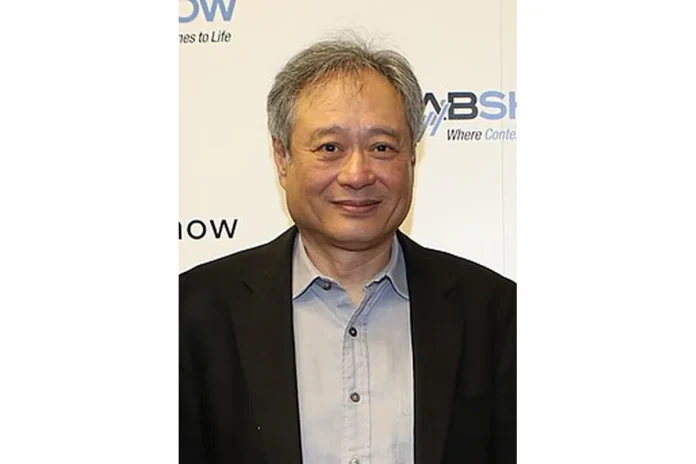
Ang Lee Bio
Ang Lee (born October 23, 1954) is a film director whose work spans languages, genres and cultures. Trained in Taiwan and the United States, Ang Lee rose from early Taiwanese ensemble dramas to international prominence and has won multiple major awards, including the Academy Award for Best Director twice.
Early Life and Background
Ang Lee was born in Chaozhou, Pingtung, Taiwan, and spent part of his childhood in Hualien. He grew up in a family that emphasized education and was exposed to theater and film during his studies, an influence that helped shape his narrative sensibility.
Lee graduated from what is now the National Taiwan University of Arts in 1975. After completing mandatory military service, he moved to the United States in 1979, earned a Bachelor of Fine Arts at the University of Illinois Urbana-Champaign and later received an M.F.A. in film production from New York University Tisch School of the Arts.
Path to Celebrity
Lee began his professional career directing films that explored family dynamics and cultural change, often focusing on characters navigating tradition and modernity. His early Taiwanese films established his voice and introduced themes he would revisit throughout his career.
Recognition in Taiwan and at international festivals opened opportunities in English-language cinema. Lee built on his early successes to transition from respected regional filmmaker to an internationally recognized director with both arthouse credibility and mainstream appeal.
Ang Lee Career
Early Career (1991–1994)
Ang Lee’s feature directing debut came with Pushing Hands in 1991, a drama that began what critics later called his “Father Knows Best” trilogy. He followed with The Wedding Banquet (1993) and Eat Drink Man Woman (1994), films that blended intimate family portraiture with culturally specific details.
Those three films earned critical acclaim and festival recognition, helped introduce Lee to international audiences, and demonstrated his skill in directing ensemble casts and balancing emotional nuance with cultural specificity.
Sense and Sensibility Breakthrough (1995–1999)
Lee’s first major English-language success arrived with Sense and Sensibility in 1995. The film adapted the Jane Austen novel into a contemporary-feeling period drama and earned multiple Academy Award nominations, raising Lee’s profile in Hollywood and among mainstream audiences.
He followed Sense and Sensibility with The Ice Storm (1997), a critically praised drama about suburban life, and the Western-set Ride with the Devil (1999). These films underscored Lee’s interest in complex emotional landscapes across different settings and eras.
Crouching Tiger, Hidden Dragon Breakthrough (1999–2003)
In 2000 Ang Lee directed Crouching Tiger, Hidden Dragon, a martial arts epic that combined classical Chinese storytelling with international production values. The film became a global success, earned multiple Academy Award nominations and won Best Foreign Language Film along with several technical Oscars, establishing Lee as a filmmaker capable of large-scale visual storytelling.
Crouching Tiger, Hidden Dragon’s international popularity expanded the market for Chinese-language cinema in Western markets and affirmed Lee’s reputation for blending genre spectacle with emotional depth.
Hollywood Blockbusters and Awards (2003–2012)
Ang Lee balanced studio filmmaking with intimate dramas in the 2000s. He directed the big-budget superhero film Hulk (2003) and then returned to smaller-scale material with Brokeback Mountain (2005), a film that drew widespread critical acclaim and won numerous awards. Brokeback Mountain brought Lee the Academy Award for Best Director, signaling his stature among contemporary filmmakers.
Lee continued to take creative risks with films such as Lust, Caution (2007) and achieved major commercial and awards success with Life of Pi (2012). Life of Pi combined technical innovation, including extensive visual effects and 3D, with spiritual and character-driven storytelling, earning Lee a second Academy Award for Best Director.
Recent Work Era (2013–Present)
Since 2013 Ang Lee has directed a range of projects, including the war drama Billy Lynn’s Long Halftime Walk (2016) and the action thriller Gemini Man (2019). These films drew mixed critical responses but demonstrated Lee’s continued interest in exploring new technologies and cinematic form.
Lee has also pursued projects in development, including work on a biopic about Bruce Lee announced in 2022 and other long-term projects that reflect his sustained creative ambitions across international and English-language cinema.
Driving Style and Strengths
Ang Lee’s directing style blends emotional intimacy with strong visual composition; he is known for eliciting restrained, complex performances and for adapting diverse source material with sensitivity. He often pairs meticulous production craft with an interest in the internal lives of characters, whether in family dramas or genre films.
Notable Events and Milestones
Key milestones in Lee’s career include international breakthroughs with Sense and Sensibility and Crouching Tiger, Hidden Dragon, and major awards recognition for Brokeback Mountain and Life of Pi. He has received repeated honors at leading festivals and national institutions for his contributions to cinema.
Ang Lee Career Wins
Ang Lee’s career has been recognized with awards across major film institutions and festivals. He has won the Academy Award for Best Director twice and has received top honors at Venice, Berlin and other international festivals, along with additional national and international distinctions.
Academy Awards and Festival Highlights
Lee won the Academy Award for Best Director for Brokeback Mountain and again for Life of Pi. His films have also won top prizes at major festivals, including the Golden Lion at the Venice Film Festival and the Golden Bear at the Berlin International Film Festival, demonstrating his consistent presence at the center of global film culture.
Other Wins & Perfromances
Beyond the Academy Awards and festival trophies, Lee’s films have earned a range of national honors and industry awards. He has been recognized by critics’ groups, guilds and arts institutions and received lifetime and fellowship honors that acknowledge his influence on world cinema.
Ang Lee Family
Family Background and Racing Lineage
Ang Lee was born to a family of mainland Chinese background that settled in Taiwan after 1949. His upbringing in Taiwan, including years in Hualien and schooling at institutions such as the National Taiwan University of Arts, informed his cultural perspective and early work.
Personal Life
Ang Lee is married to Jane Lin. The couple have a son, Mason. Lee divides his time living between Larchmont in Westchester County, New York, and Taipei, Taiwan.
2025 Season Performance
In 2025 Ang Lee remained active on several development fronts. He announced a new project titled Old Gold Mountain in July 2025 and continued to develop a planned biopic of Bruce Lee that he first discussed publicly in 2022, a project noted for its personal connection given his son Mason Lee’s involvement as an actor.
Throughout 2025 Lee’s profile combined festival recognition and project announcements, reflecting a career that balances completed films with long-term development of ambitious, cross-cultural projects. His ongoing engagement with both technical innovation and intimate storytelling shapes expectations for his next films and sustained relevance in international cinema.