
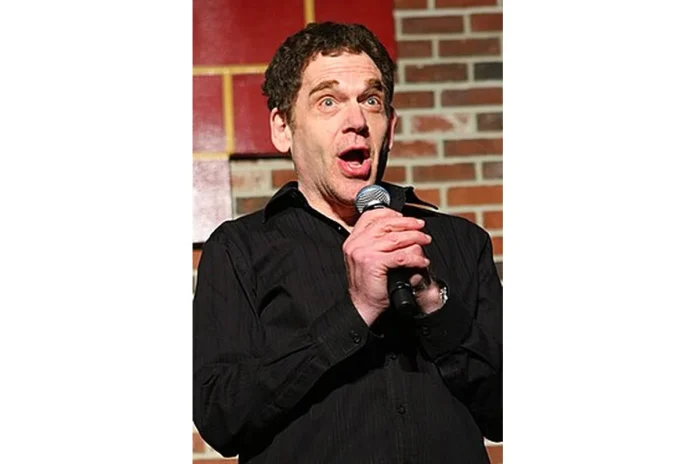
Charles Fleischer Bio
Charles Fleischer (born August 27, 1950) is an American actor, stand-up comedian, musician, and writer with a career spanning more than five decades across film, television, voice work, and live performance. He first gained wide recognition for his recurring role as Carvelli on the 1970s sitcom Welcome Back, Kotter, and later became a defining presence in family entertainment as the voice of Roger Rabbit in Who Framed Roger Rabbit (1988). Beyond acting, Fleischer has performed as a stand-up comedian and musician, showcasing handmade instruments and original songs that reflect his inventive creative style.
Over the years, Charles Fleischer has balanced on-screen roles, voice performances, and music projects, contributing to films such as The Polar Express (2004), Rango (2011), and Chip ‘n Dale: Rescue Rangers (2022). His career reflects a willingness to move between comedy clubs, television soundstages, animation studios, and concert stages, building a body of work that appeals to both adult audiences and family viewers.
Early Life and Background
Charles Fleischer was born on August 27, 1950, in Washington, D.C. Growing up in the nation’s capital during the post-war era exposed him to a mix of politics, culture, and the arts, helping shape his early interest in performance. The city also placed him within reach of the broader entertainment industry on the East Coast, which later influenced his decision to pursue acting professionally.
Fleischer began his higher education at Southampton College, then a part of Long Island University, where he initially studied medicine. During this period, his interest shifted from science toward the performing arts, leading him to transfer and study acting at the Goodman School of Drama at the Art Institute of Chicago, a program now associated with DePaul University. This formal training gave him a foundation in stage craft, voice, and character work that would later support his transition into stand-up comedy and screen acting.
Outside of his studies, Fleischer developed an early fascination with music and invented performance. He began building his own musical instruments from unusual materials, including lead pipe and shower wands, a habit that would become a recognizable trademark in his stand-up routines. These early creative experiments signaled the blend of comedy, character voices, and music that would define his professional life.
Path to Stand-Up Comedy and Acting
After completing his acting studies, Charles Fleischer entered the comedy club circuit, performing in venues that helped young performers sharpen their material and stage presence. His unusual instruments and original bits set him apart from other acts, drawing attention from bookers and television producers. This grassroots experience gave him the confidence and timing needed to move from small clubs to national television.
Fleischer’s first major television break came when he appeared on the comedy variety series Rowan & Martin’s Laugh-In on January 15, 1973, where he performed with his homemade musical instruments. The appearance introduced him to a wide audience and led to further opportunities, including a spot on The Tonight Show Starring Johnny Carson on May 15, 1974. He also became a regular on Keep on Truckin’ and made guest appearances on shows such as The Weird Al Show and the short-lived Saturday morning program Wacko.
In the mid-1970s, Fleischer landed his first steady acting role as Carvelli on Welcome Back, Kotter, a recurring part that established him as a recognizable character actor on television. Around the same period, he appeared as Chuck on the ABC series Laverne & Shirley. These early roles allowed him to move between stand-up, sketch comedy, and scripted television, building the range that would later serve his film career.
Charles Fleischer Career
Early Career (1972–1987)
Charles Fleischer began his professional career in 1972, working the comedy club circuit and making guest spots on television variety shows. His recurring role on Welcome Back, Kotter as Carvelli gave him steady screen time during the mid-1970s and introduced his talents to a younger audience. He also appeared as Chuck on the ABC sitcom Laverne & Shirley, expanding his television presence alongside established comedy stars.
During this period, Fleischer appeared in A Nightmare on Elm Street (1984), taking on a live-action role in the popular horror franchise. He continued performing stand-up and making guest appearances, including a memorable slot on Keep on Truckin’, which kept his profile active between film and television jobs. These years built his reputation as a versatile performer comfortable across comedy and dramatic genres.
Breakthrough (1988–Present)
Charles Fleischer’s career-defining moment arrived with Who Framed Roger Rabbit (1988), in which he voiced Roger Rabbit, Benny the Cab, Greasy, and Psycho. The film combined live action with animation in a groundbreaking way, and Fleischer’s manic, fast-talking performance became central to its success. The role earned him lasting recognition and led Disney to keep him involved with the character in television appearances, theme park events, and three follow-up Roger Rabbit theatrical shorts.
Following the success of Who Framed Roger Rabbit, Fleischer took on a small cameo in Back to the Future Part II (1989), a film that became a cultural touchstone of the era. He continued working in voice acting with roles in We’re Back! A Dinosaur’s Story (1993), voicing additional characters and contributing to the film’s musical elements. His voice work also extended to television when he joined the Disney animated series House of Mouse as the voice of Benny the Cab.
In the 2000s and 2010s, Charles Fleischer remained an active presence in animated and live-action productions. He appeared in The Polar Express (2004), voiced characters in Rango (2011), and returned to the Roger Rabbit universe with cameo and voice appearances tied to Disney’s ongoing projects. He also took on-screen roles in films such as Gridlock’d, demonstrating that his range extended beyond voice work. In 2022, he contributed to Chip ‘n Dale: Rescue Rangers, connecting with a new generation of viewers through a hybrid animation style.
Outside of film and television, Fleischer has continued to perform stand-up, host live events, and pursue music. He performed the role of a televangelist on Roger Waters’ 1992 album Amused to Death and appeared as a guest harmonica player with Blues Traveler at the Wiltern Theater in Los Angeles on November 22, 1995. He hosted the weekly web show Fleischer’s Universe on Ustream.tv from December 2010 to September 2011, and in January 2019, he performed improvised comedy at the Laugh Factory inside the Tropicana Las Vegas alongside Bob Golub and Nick Aragon. He is also widely credited as the originator of the quote, “If you remember the ’60s, you really weren’t there,” which has often been misattributed to other public figures.
Notable Works and Milestones
Charles Fleischer’s signature work remains his voice performance as Roger Rabbit in Who Framed Roger Rabbit, a role that has endured through re-releases, shorts, and theme park appearances. He has built a distinctive voice portfolio that includes Benny the Cab in House of Mouse and roles in The Polar Express, Rango, and Chip ‘n Dale: Rescue Rangers. His ability to move between live-action comedy, voice acting, and music has made him a respected figure across multiple corners of the entertainment industry.
Charles Fleischer Award Nominations
Verified information about specific award nominations for Charles Fleischer is not available from the supplied sources. Based on the available data, no individual nominations can be confirmed for inclusion in this section.
Charles Fleischer Awards Won
Verified information about specific awards won by Charles Fleischer is not available from the supplied sources. Based on the available data, no individual wins can be confirmed for inclusion in this section.
Charles Fleischer Family
Charles Fleischer married Sheryl Strassman in 1977, and the couple later divorced in 2006. Together, they have two daughters. Public details about his extended family or parents are not available from the supplied sources.
Personal Life
Beyond his professional work, Charles Fleischer has maintained a creative personal life rooted in music and performance. He continues to play unusual handmade instruments in live settings and collaborate with musicians such as Blues Traveler. His career path, which stretches from 1970s television to streaming-era projects, reflects a sustained dedication to character work, comedy, and storytelling across multiple formats.