
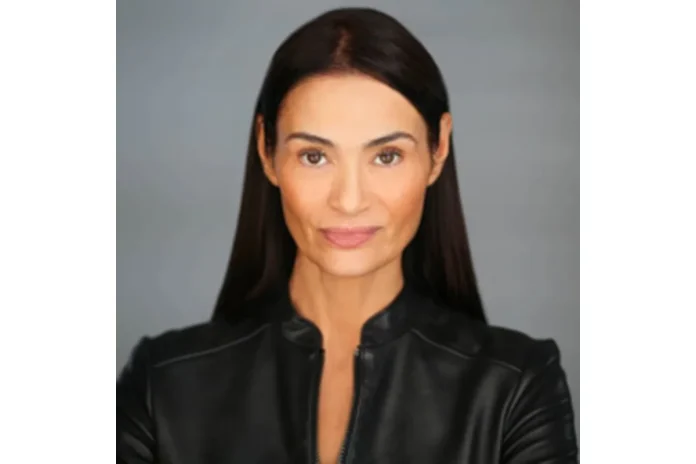
Charlotte Lewis Bio
Charlotte Lewis (born 7 August 1967) is an English actress who rose to international recognition in the 1980s for her film work, most notably as Kee Nang in The Golden Child (1986). Born in Kensington, London, Lewis began her screen career as a teenager and established a profile in action, thriller and genre films through the 1980s and 1990s. Her career includes early appearances in high-profile studio productions, a series of independent and direct-to-video projects, a long hiatus from the screen and a limited return in the 2019 art film Lost Angelas.
Early Life and Background
Charlotte Lewis was born in Kensington, London, on 7 August 1967. She attended Bishop Douglass School in Finchley. Her family background is mixed: her mother is described as Irish-English while her father is reported to be of half-Chilean and half-Iraqi heritage. Lewis has been identified with United Kingdom nationality in public records and profiles.
Raised in London, Lewis entered the entertainment industry while still a teenager. Early exposure to film sets and professional casting led to her first screen roles in the mid-1980s. Her early training is documented primarily through school attendance and practical on-set experience rather than formal conservatory records in the available sources.
Path to Celebrity
Charlotte Lewis’s pathway into acting followed a conventional pattern of early casting and rapid exposure through high-profile productions. She made a notable industry entry with a role in a major filmmaker’s production as a teenager, which helped position her for subsequent studio and independent casting. That initial period saw Lewis move quickly from supporting parts to lead and co-lead roles in feature films.
During the late 1980s and early 1990s Lewis built a resume that combined mainstream projects and genre films, securing her place as a visible young actress of that era. Her modeling and editorial appearances, including a cover-featured pictorial in the July 1993 issue of Playboy magazine, contributed to her public profile during this phase of her career.
Charlotte Lewis Career
Early Career (1984–1986)
Charlotte Lewis’s screen career is recorded as beginning in the mid-1980s, with years active listed from 1984. Her film debut came as a teenager in the 1986 Roman Polanski film Pirates, a production that drew international attention. That same year Lewis secured a co-lead role in The Golden Child, starring alongside Eddie Murphy, which became her best-known early credit and introduced her to wider international audiences.
The combination of a high-profile studio release and a major director credit in a single year accelerated Lewis’s visibility in the industry. These early roles established casting opportunities in both American and international projects and set the pattern for the types of action and thriller material that followed through the late 1980s and early 1990s.
Breakthrough (1986–1995)
The year 1986 marks Charlotte Lewis’s breakthrough with The Golden Child and Pirates, two films that defined the opening phase of her screen career. The Golden Child, in particular, reached large audiences and remains the role most commonly cited in summaries of her career. Following that visibility, Lewis worked in a mix of studio and independent films through the early 1990s.
Notable projects in the subsequent decade include Tripwire (1990), Storyville (1992) in which she appeared opposite James Spader, and Men of War (1994) alongside Dolph Lundgren. She also had a role in the 1995 film Decoy and appeared in the direct-to-video erotic horror film Embrace of the Vampire (1995), which starred Alyssa Milano. Lewis made a guest appearance on the sitcom Seinfeld during the mid-1990s, playing a character linked to George Costanza’s storyline.
Notable Works and Milestones
Charlotte Lewis’s signature film credit remains The Golden Child (1986) for which she is widely recognized as Kee Nang. Her early collaboration with Roman Polanski on Pirates is a recurring fact in coverage of her career, and her work through the 1990s in action and thriller titles such as Tripwire and Men of War further defines her on-screen persona from that period. Editorial appearances, including the 1993 Playboy feature, were part of her public profile and media presence during the peak years of her career.
Family
Public records and contemporary profiles cite Charlotte Lewis’s parentage as mixed in origin: her mother is described as Irish-English, and her father as half-Chilean and half-Iraqi. Beyond this background information, there are no verifiable public records in the supplied sources naming other immediate family members or documenting children.
Personal Life
Charlotte Lewis has been publicly associated with a high-profile legal and media matter dating to May 2010 when, with attorney Gloria Allred, she accused Roman Polanski of sexual assault that she said occurred when she was 16 while the two were working on Pirates. Prosecutors in Los Angeles confirmed they interviewed Lewis in connection with the allegation. Lewis later filed a defamation claim related to the media coverage of her allegations and the ensuing public controversy.
Subsequent reporting and legal developments show that the defamation case was litigated under French law; the case drew media attention in multiple countries and Lewis has described experiencing a campaign of discrediting coverage that affected her personal and professional life. In 2019 Lewis returned briefly to the screen with a role in the art film Lost Angelas, credited with playing Angie Malone. Her years active are listed as 1984–2003 and 2019–present, reflecting a long hiatus from screen acting followed by occasional later appearances.