
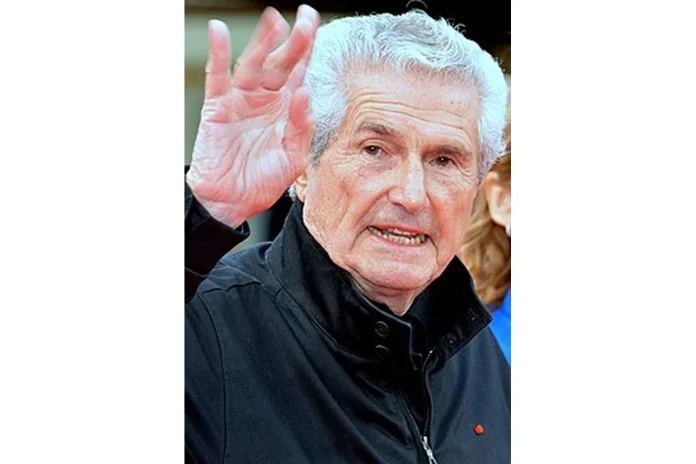
Claude Lelouch Bio
Claude Barruck Joseph Lelouch (born 30 October 1937) is a French film director, screenwriter, cinematographer, actor and producer. Born in Paris to Charlotte Abeilard and Simon Lelouch, he emerged as a prominent director in the 1960s and gained international recognition with the romantic film A Man and a Woman (1966), which won the Palme d’Or at the Cannes Film Festival and two Academy Awards.
Lelouch has built a long career across genres, collaborating repeatedly with composer Francis Lai and directing both feature-length ensemble dramas and influential short films. His work includes the ensemble epic Les Uns et les Autres (1981) and the signature short C’était un rendez-vous (1976), and his films are noted for emotional storytelling and formal experimentation.
Early Life and Background
Claude Barruck Joseph Lelouch was born in the 9th arrondissement of Paris to Simon Lelouch and Charlotte Abeilard. He grew up in an Algerian Jewish family; accounts of his childhood emphasize early encounters with cinema and the role of film as a formative influence.
As a youth he made an early start in filmmaking after his father bought him a camera following academic setbacks. He produced reportage work that included a personal journey into the Soviet Union filmed discreetly, and he also photographed sporting events such as the 24 Hours of Le Mans and the Tour de France.
Path to Celebrity
Lelouch’s path to wider recognition combined documentary reportage, short films and service in the French Army film unit, where he shot more than a hundred films before his demobilization in 1960. Those years gave him technical experience and an appetite for cinematic risk that would shape his later features.
His earliest full-length work met with mixed reception: his first feature attracted harsh criticism, and later La femme spectacle encountered censorship. A Man and a Woman reversed that trajectory, earning international acclaim and establishing Lelouch as a director able to blend popular feeling with formal innovation.
Claude Lelouch Career
Early Career (1950s–1960s)
In the late 1950s and through the 1960s Lelouch worked across reportage, shorts and early features, developing a personal approach to camera movement and editing. His Army film-unit work and his reportage in the Soviet Union provided a foundation in both documentary practice and narrative staging.
Those formative projects included sporting and event cinematography and early features that tested boundaries; critics were at times dismissive, but the experience permitted Lelouch to refine a voice that combined documentary immediacy and melodramatic intensity.
A Man and a Woman Breakthrough (1966–1967)
A Man and a Woman (1966) became Lelouch’s international breakthrough. The film’s romantic narrative, fluid camerawork and musical collaboration with Francis Lai won the Palme d’Or at the 1966 Cannes Film Festival and earned two Academy Awards at the 39th Academy Awards: Best Original Screenplay and Best International Feature Film, while Lelouch was also nominated for Best Director.
The success of A Man and a Woman transformed critical and public perception of Lelouch, bringing him into the global arthouse and mainstream conversation. The film’s theme song became widely known and the collaboration with Francis Lai became a recurring element in Lelouch’s work.
Les Uns et les Autres Breakthrough (1981)
Les Uns et les Autres (1981) is widely regarded as one of Lelouch’s major achievements, a sprawling musical and dramatic epic that traces families and artists across decades. The film was presented as a stylistic and narrative centerpiece in his filmography and is often cited as a high point of his ambition and scale.
The project reinforced Lelouch’s reputation for ensemble storytelling and for blending musical sequences with interwoven human dramas. It remains a frequently referenced work in assessments of his career.
Recent Era (2000s–Present)
Across the 21st century Lelouch has continued to direct and to revisit earlier themes. He served as president of the jury at the 18th Moscow International Film Festival in 1993, and he has maintained a steady creative output with features, documentaries and shorter films.
In 2020 Lelouch revisited his famous 1976 short by producing a modern reinterpretation titled Le Grand Rendez-vous, filmed on the Circuit de Monaco and featuring racing driver Charles Leclerc. The project drew attention for its links to the original short and for its high-profile collaboration; public reception included critical commentary on the new version’s execution.
Directing Style and Strengths
Lelouch’s directing style combines dynamic camera movement, close attention to musical scoring and a willingness to merge fiction and documentary techniques. He is known for emotional narratives that foreground intimacy and chance, and for long-standing creative partnerships—most notably with composer Francis Lai—that shape the tone of his films.
Notable Events and Milestones
Key milestones include the Palme d’Or for A Man and a Woman in 1966 and multiple Academy Award recognitions for the same film in 1967. C’était un rendez-vous (1976) became a signature short noted for its audacious point-of-view driving sequence, and Les Uns et les Autres (1981) stands as a career-defining feature for scale and ambition.
Claude Lelouch Career Wins
Lelouch’s verified awards highlight both festival recognition and major international prizes. The mid-1960s success of A Man and a Woman produced the most prominent honors of his career, and subsequent decades added national and festival awards that confirmed his standing in European cinema.
A Man and a Woman Highlights
A Man and a Woman won the Palme d’Or at the 1966 Cannes Film Festival and received two Academy Awards at the 39th Academy Awards: Best Original Screenplay and Best International Feature Film; Lelouch was also nominated for Best Director. The film’s music, created in collaboration with Francis Lai, became an enduring element of its legacy.
Other Wins & Perfromances
Additional verified honors include a David di Donatello award in 1971 for Best Foreign Directing for Le Voyou, and Lelouch’s role as president of the jury at the 18th Moscow International Film Festival in 1993. His short C’était un rendez-vous attained lasting notoriety and influence beyond conventional festival circuits.
Claude Lelouch Family
Family Background and Film Lineage
Lelouch was born to Simon Lelouch and Charlotte Abeilard; his father originated from an Algerian Jewish family while his mother converted to Judaism. Family history and early exposure to cinema are frequently cited as formative influences on his decision to pursue filmmaking.
Personal Life
Public records note a partnership in the 1970s with Gunilla Friden. Lelouch’s public comments and interviews reflect a personal faith that he has described as meaningful to his creative life, and a lifelong commitment to cinema as both profession and inspiration.