
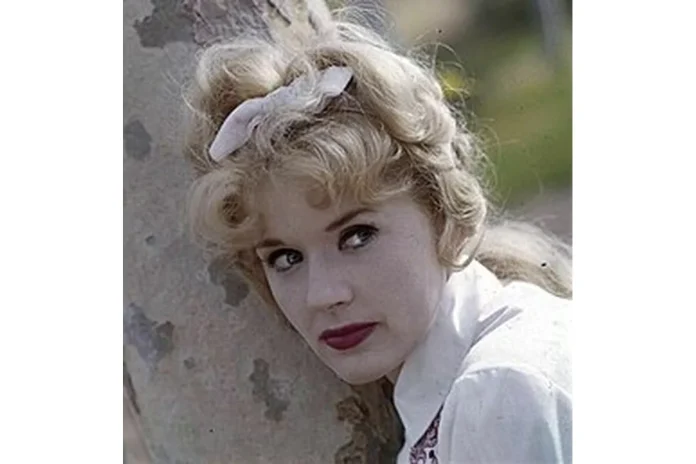
Connie Stevens Bio
Concetta Rosalie Ann Ingoglia, known professionally as Connie Stevens, is an American actress, traditional pop singer, director, screenwriter, and producer. Born on August 8, 1938, in Brooklyn, New York, Stevens first rose to national fame on television as Cricket Blake in the ABC detective series Hawaiian Eye (1959–1963). She enjoyed a parallel recording career highlighted by the hit single Sixteen Reasons, which reached number three on the Billboard Hot 100 in 1960. Over more than six decades in entertainment, Stevens has worked as a film actress, nightclub performer, television producer, and feature director, while remaining active in charitable and humanitarian causes.
Early Life and Background
Connie Stevens was born Concetta Rosalie Ann Ingoglia on August 8, 1938, in Brooklyn, New York City. She is the daughter of musician Peter Ingoglia, who performed under the stage name Teddy Stevens, and singer Eleanor McGinley. Of Italian and Irish descent, Stevens later adopted her father’s stage surname for her own professional career. After her parents divorced, she lived with her grandparents and attended Catholic boarding schools during her early years.
Coming from a musical family, Stevens joined a singing group called The Fourmost, which included Tony Butala, who went on to found The Lettermen. At the age of 12, she witnessed a traumatic event in Brooklyn that led her family to send her to live with family friends in Boonville, Missouri, where she spent a formative chapter of her childhood. In 1953, when she was fifteen years old, Stevens relocated with her father to Los Angeles to pursue her ambitions in show business.
Path to Celebrity
Stevens made her feature film debut in 1957 with the low-budget teen movie Young and Dangerous, co-starring Mark Damon, and also appeared in Eighteen and Anxious the same year. In December 1957, she signed a seven-year contract with Paramount Pictures that began at six hundred dollars per week and escalated over time. Jerry Lewis spotted her in Dragstrip Riot (1958) and cast her as his love interest in the musical comedy Rock-A-Bye Baby (1958), giving Stevens her first major studio break. She followed that success with a second film alongside Mark Damon, the drama The Party Crashers (1958), before Paramount ultimately let her go.
Her opportunity for true stardom arrived in 1959, when Warner Bros. signed her to a seven-year contract and cast her as Cricket Blake on Hawaiian Eye, opposite Robert Conrad and Anthony Eisley. The role transformed her into a household name, and the network promoted her heavily across the studio’s slate of Western and detective programs. Her growing popularity led to a recording contract, guest appearances on shows such as 77 Sunset Strip and Maverick, and steady work that established her as one of the most recognizable young performers in early 1960s Hollywood.
Connie Stevens Career
Early Career (1957–1958)
Connie Stevens launched her career in 1957 with appearances in the low-budget films Young and Dangerous and Eighteen and Anxious, along with a guest spot on The Bob Cummings Show. She signed a seven-year contract with Paramount later that year, marking her first major studio commitment. Her early work caught the attention of Jerry Lewis, who cast her opposite him in Rock-A-Bye Baby (1958), her first significant film role.
She continued with The Party Crashers (1958) opposite Frances Farmer, and soon after released her debut album, Concetta, in 1958. The album featured standards such as Blame It on My Youth, Looking for a Boy, and Spring Is Here, signaling her intent to balance acting with a serious musical career. Although Paramount eventually dropped her, the visibility from these early projects set the stage for her move to Warner Bros.
Breakthrough (1959–1963)
Stevens’s defining breakthrough came in 1959 when she was cast as Cricket Blake on the ABC/Warner Bros. detective series Hawaiian Eye, co-starring Robert Conrad and Anthony Eisley. The role ran from 1959 to 1963 and made her one of the most popular young television stars of the era. She also became a recording sensation, teaming with Edd Byrnes on the novelty hit Kookie, Kookie (Lend Me Your Comb) in 1959, which reached number four on the Billboard Hot 100.
Her solo recording of Sixteen Reasons in 1960 peaked at number three on the Billboard Hot 100 and number nine on the UK Singles Chart, cementing her as a bankable recording artist. During the same period, she starred in a trio of Warner Bros. films opposite Troy Donahue: Parrish (1961), Susan Slade (1962), and Palm Springs Weekend (1963). In 1964, she joined the ABC sitcom Wendy and Me opposite George Burns, taking a producer’s percentage in the show.
Notable Works and Milestones
Stevens’s signature work remains her portrayal of Cricket Blake on Hawaiian Eye, a character she largely helped define through improvisational instincts. Her biggest chart success was Sixteen Reasons, while her film highlights include Rock-A-Bye Baby, Parrish, Susan Slade, and the horror film Two on a Guillotine (1965). In 2009, she made her directorial debut with Saving Grace B. Jones, a feature she also wrote and produced, drawing on childhood memories from her years in Boonville, Missouri.
Connie Stevens Award Nominations
Over the course of her career, Connie Stevens earned recognition from entertainment industry organizations for her contributions as an actress, singer, and later as a director and producer. Her most prominent honors include the Golden Globe Award for New Star of the Year (Actress), which she won in 1960, an honor that celebrated her rapid rise on television and in film.
Connie Stevens Awards Won
Stevens has accumulated a wide range of honors recognizing her long career in film, television, music, and humanitarian service. She earned a star on the Hollywood Walk of Fame at 6249 Hollywood Boulevard, a star on the Palm Springs Walk of Stars, and a star on the Italian Walk of Fame in Toronto. She also received the Lady of Humanities Award from Shriners Hospital in 1991, the Humanitarian of the Year Award from the Sons of Italy in Washington, D.C., and the Founder’s Medal for Patriotism from the National Society of Daughters of the American Revolution in 2013 for her decades of work with the USO. In 2005, she was elected secretary-treasurer of the Screen Actors Guild, the union’s second-highest elected position, and her 1997 documentary A Healing won Best Film at the Santa Clarita International Film Festival.
Connie Stevens Family
Connie Stevens was born to musician Peter Ingoglia, who performed as Teddy Stevens, and singer Eleanor McGinley. Through her mother, she is a half-sister of actor John Megna. Stevens is the mother of two daughters, both of whom followed her into acting: Joely Fisher and Tricia Leigh Fisher. She is also the former stepmother of Todd Fisher and the late actress Carrie Fisher, as a result of her marriage to singer Eddie Fisher.
Personal Life
Stevens dated actor Glenn Ford in the early 1960s. She was married twice during her twenties: first to actor James Stacy from 1963 until their 1966 divorce, and then to singer Eddie Fisher from 1967 until their 1969 divorce. Beyond her immediate family, she has long been active in charitable work, founding the Windfeather project to award scholarships to Native Americans, supporting cancer-related causes, and serving on multiple USO tours alongside Bob Hope. In the 1990s, she launched her own cosmetic skin care line called Forever Spring and opened the Connie Stevens Garden Sanctuary Day Spa in Los Angeles.