
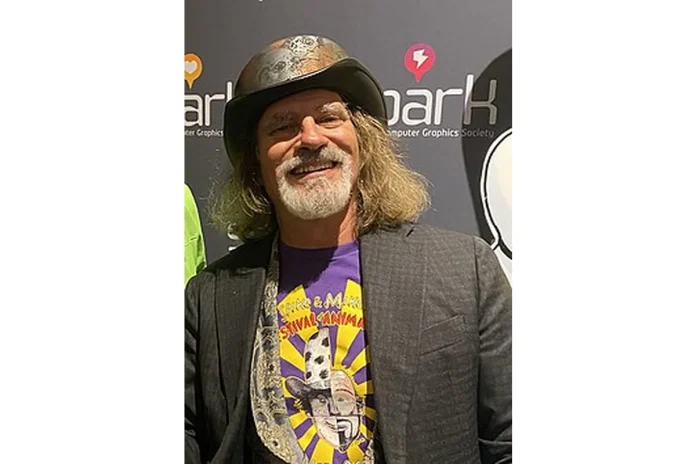
David Silverman Bio
David Silverman (born March 15, 1957) is an American animator and director best known for shaping The Simpsons from its earliest days. He directed numerous episodes of the long-running animated series and helmed The Simpsons Movie in 2007. He also co-directed Monsters, Inc. for Pixar and Walt Disney Pictures. Over the course of his career, Silverman has helped define the visual language, character design rules, and animation style that made The Simpsons a global phenomenon.
Early Life and Background
David Silverman was born on March 15, 1957, on Long Island, New York, and raised in a Jewish family. His father, Joseph Silverman, was a chemical engineering professor at the University of Maryland, College Park, for more than thirty years. Growing up in Silver Spring, Maryland, Silverman spent his formative years surrounded by academia and a strong family emphasis on learning.
He attended the University of Maryland for two years before transferring west to study animation. He went on to earn both a Bachelor of Arts and a Master of Fine Arts from the University of California, Los Angeles, training that laid the foundation for his future work in television and film animation.
Path to Directing
Silverman began his professional animation career in 1979, working on early projects that included shows such as Turbo Teen and Mister T. At one point he considered leaving animation to focus on cartoon illustration, but a job animating on The Tracey Ullman Show redirected his path. On March 23, 1987, Silverman, along with fellow animators Wes Archer and Bill Kopp, began animating the original Simpsons shorts featured on the variety show.
He animated all of the original Tracey Ullman Show shorts that introduced the Simpson family, and he served as animation director for several seasons of The Simpsons once the series launched as its own show in 1989. During this period, he became known for establishing many of the drawing rules and visual conventions that the show still follows. In 1990, he was even featured as a subject on the game show To Tell the Truth, reflecting his growing reputation in the animation industry.
David Silverman Career
Early Career (1979–1990)
Silverman’s earliest work in Hollywood animation included freelance and staff positions on network television cartoons. He honed his craft through hands-on work in 1980s television before landing the pivotal role on The Tracey Ullman Show.
He became closely involved with The Simpsons from the very beginning, animating the original shorts and shaping the character designs of Homer, Marge, Bart, Lisa, and Maggie Simpson. His early contributions set the stage for the show’s launch as a standalone prime-time series in December 1989.
Breakthrough (1991–2007)
The launch of The Simpsons in 1989 marked a turning point for Silverman, who directed numerous episodes and animated some of the series’ most memorable sequences. He became the go-to animator for difficult or important scenes, including Homer’s first major “rants, freak-outs, and heart attacks” in Season 2. He also brought to life standout moments such as Homer’s psychedelic dream in “El Viaje Misterioso de Nuestro Jomer (The Mysterious Voyage of Homer)” and Homer’s histrionic heart attack in “Homer’s Triple Bypass.”
Silverman briefly left the show during production of its ninth season to direct additional sequences for DreamWorks Animation’s The Road to El Dorado alongside Will Finn, then returned to The Simpsons in 2001 for its thirteenth season. Beyond the series, he expanded into feature animation, co-directing Monsters, Inc. (2001) for Pixar and Walt Disney Pictures alongside Lee Unkrich. He also contributed animation work to other major films, including Ice Age, Robots, and Looney Tunes: Back in Action.
Notable Works and Milestones
Silverman is the director of The Simpsons Movie, released on July 27, 2007, a major milestone that brought his long-running television work to the big screen. He also directed the theatrical short The Longest Daycare, starring Maggie Simpson, which was nominated for the Academy Award for Best Animated Short Film. In 2020, he directed the follow-up short Playdate with Destiny, released in front of the Pixar film Onward.
David Silverman Award Nominations
David Silverman received an Academy Award nomination for Best Animated Short Film for directing the 2012 theatrical short The Longest Daycare, which was released in front of Ice Age: Continental Drift and starred Maggie Simpson. He has also been recognized for his long-running work on The Simpsons, contributing to a series that has accumulated numerous industry honors during his tenure as director and animation director.
David Silverman Awards Won
David Silverman is best known by audiences for his central creative role on The Simpsons, a series that has won a wide range of television and animation awards throughout his involvement. His feature work includes co-directing the critically acclaimed Pixar film Monsters, Inc., and he is widely respected within the animation community for establishing the visual rules of one of television’s longest-running series.
David Silverman Family
David Silverman was born to a Jewish family on Long Island, New York, and raised in Silver Spring, Maryland. His father, Joseph Silverman, served as a chemical engineering professor at the University of Maryland, College Park, for over thirty years, providing an academic foundation that influenced Silverman’s path toward higher education and his eventual move to UCLA.
Personal Life
Beyond animation, David Silverman is a musician who plays the tuba and the flaming sousaphone. He was a member of the UCLA Bruin Marching Band Sousaphone Section in the early 1980s and has performed at events such as Burning Man with the Transformational All Star Fire Conclave Marching Band. He also appeared on The Tonight Show with Jay Leno on June 23, 2006, playing his flaming sousaphone on national television. He continues to be active in community music, including as a member of the Los Trancos Woods Community Marching Band and the Los Angeles band Vaud and the Villains, which he joined in January 2009.