
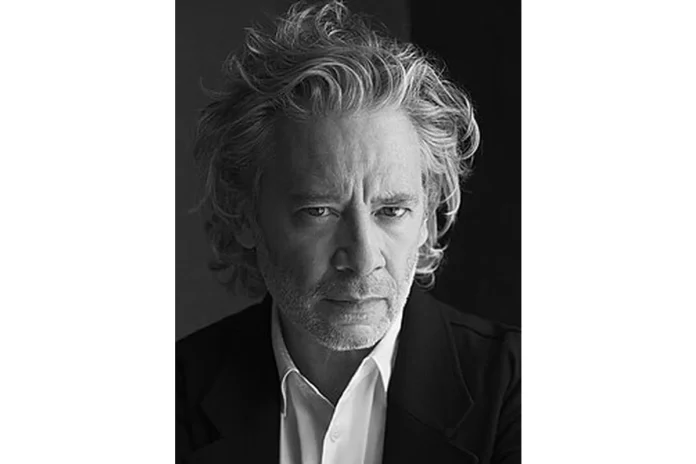
Dexter Fletcher Bio
Dexter Fletcher is a British film director and actor whose career spans more than four decades across stage, television and film. Born 31 January 1966 in Enfield, Greater London, he began as a child actor and progressed through prominent supporting and leading roles before establishing himself as a director of character-driven dramas, musicals and biopics. Fletcher’s directing credits include Wild Bill, Sunshine on Leith, Eddie the Eagle and Rocketman, and he completed principal photography on Bohemian Rhapsody after stepping in during post-production. He holds dual British and Lithuanian citizenship and continues to work between film and theatre.
Early Life and Background
Dexter Fletcher was born in Enfield and grew up in north London as the youngest of three boys. His parents were teachers, and Fletcher spent his childhood in Woodford Green and Palmers Green where he began working as a youth actor. He trained at the Anna Scher Theatre in London, a formative environment that emphasized ensemble work and practical stagecraft and which helped launch his early screen career.
Fletcher’s education in performance and early exposure to professional productions led quickly to film and stage opportunities. As a teenager he took roles that ranged from film parts to opera productions, giving him an extensive foundation in both dramatic and musical performance that later informed his work as a director of music-driven and character-led films.
Path to Celebrity
Fletcher’s first credited film appearance came as a child in Bugsy Malone, and he made his stage debut the following year in A Midsummer Night’s Dream. Through the late 1970s and 1980s he worked steadily in British film and television, appearing in productions such as The Long Good Friday, The Elephant Man and The Bounty, building a reputation as a versatile supporting actor. His television work in that period included the role of Spike Thomson in Press Gang and other prominent series work that kept him visible to both critics and audiences.
In 1988 Fletcher received the Stars de Demain prize at the Geneva Cineme Fête for his work in The Raggedy Rawney, an early recognition of his screen presence. Across the 1990s and 2000s he continued to appear in films such as Lock, Stock and Two Smoking Barrels and Layer Cake while diversifying into television projects including Hotel Babylon and the HBO drama Band of Brothers, furthering his profile across formats and markets.
Dexter Fletcher Career
Early Career (1976–1990)
Beginning in 1976 with Bugsy Malone, Fletcher’s early career combined film, television and stage roles that showcased his adaptability. He appeared in high-profile films of the period, taking supporting parts in titles that became significant in British cinema, and he performed on opera stages, notably as Puck in a Glyndebourne production of A Midsummer Night’s Dream. Those varied experiences helped him develop a practical, actor-focused approach to performance and storytelling.
On television he established recurring work and memorable characters, and he continued to take parts in independent and mainstream films. By the end of the 1980s Fletcher was a familiar face in British acting circles, with a growing list of credits that spanned genres from period drama to contemporary comedy and ensemble crime pictures.
Directing Breakthrough (2011–2019)
Fletcher transitioned to directing with the co-written feature Wild Bill, which marked his debut behind the camera and signaled a move toward directing grounded, character-led stories. He followed that with Sunshine on Leith, a musical adaptation built around the songs of The Proclaimers that demonstrated his ability to blend theatrical sensibilities with cinematic storytelling. These projects established Fletcher as a director fluent in working with actors and musical material.
He then directed Eddie the Eagle, a sports biopic that combined underdog drama with broad mainstream appeal, and in 2018 he stepped in to finish Bohemian Rhapsody, completing the film during a troubled production and receiving an executive producer credit while the original director retained sole directing credit. In 2019 Fletcher directed Rocketman, a high-profile biographical musical about Elton John that reinforced his standing as a director capable of handling large-scale, music-centered narratives and guiding actor performances in demanding, stylized material.
Recent Work Era (2018–Present)
Since 2018 Fletcher has continued to alternate between studio features and projects with a strong theatrical or musical element, bringing his background as an actor to bear on performance-driven filmmaking. He signed on to direct other studio projects and has remained active as both a director and actor, expanding his work into international co-productions and streaming platforms. His film Ghosted, released in 2023 on Apple TV+, extended his commercial profile in multiplatform distribution.
Fletcher’s recent years have been defined by an ability to lead productions through complex shoots and post-production, to collaborate with lead actors on performance and characterization, and to balance commercial considerations with an interest in character detail and tonal clarity. His theatre background and fluency with musical staging continue to influence his cinematic approach.
Directing Style and Strengths
Fletcher is known for an actor-first directing approach that prioritizes performance clarity and emotional truth, often translating stage techniques into cinematic rhythm. He works effectively with ensemble casts and musical material, showing a knack for pacing and for integrating musical performances into narrative structure. His practical background as a working actor informs his communication with performers and his emphasis on rehearsal and incremental character work.
Notable Events and Milestones
Key milestones in Fletcher’s career include his early prize at Geneva for The Raggedy Rawney, his transition to directing with Wild Bill and Sunshine on Leith, and his work on globally prominent biopics such as Bohemian Rhapsody and Rocketman. His marriage in 1997 to Lithuanian director Dalia Ibelhauptaitė and his receipt of Lithuanian citizenship recognize his cultural ties and contributions. In 2026 he was appointed Officer of the Order of the British Empire for services to film and television.
Dexter Fletcher Career Wins
Fletcher’s career highlights span acting and directing and include both early performance awards and later industry recognition. As an actor he earned festival recognition and steady television work; as a director he has guided multiple commercially released films that blended critical attention with audience reach. His professional trajectory reflects longevity and a capacity to reinvent his role within the industry.
Film Highlights
Notable acting credits include Bugsy Malone, The Long Good Friday, Caravaggio, Lock, Stock and Two Smoking Barrels and Layer Cake, each contributing to his reputation as a versatile character actor. As a director his first major projects, Wild Bill and Sunshine on Leith, provided an entry into feature directing, followed by larger-scale biopics and studio features such as Eddie the Eagle, Bohemian Rhapsody and Rocketman, which expanded his international profile.
Other Wins & Perfromances
Fletcher’s stage and opera performances, including Glyndebourne appearances as Puck, and his varied television roles on series such as Press Gang, Band of Brothers and Hotel Babylon, underscore a broad performance career beyond feature film. He has also worked as a narrator and voice performer for television and audio projects, demonstrating a versatility in mediums that complements his screen and stage work.
Dexter Fletcher Family
Family Background and Racing Lineage
Fletcher is the youngest of three brothers, and both of his brothers have worked in acting. His parents were teachers, a family background that provided a stable environment as he pursued acting from a young age. His connections to theatre and performance were reinforced by early training and by family involvement in the arts.
Personal Life
In 1997 Fletcher married Lithuanian film and theatre director Dalia Ibelhauptaitė in Westminster. His best man at the wedding was actor Alan Rickman. Fletcher was later granted Lithuanian citizenship in recognition of his work promoting Lithuanian cultural affairs. He has no publicly recorded children and maintains a private personal life while continuing professional collaborations in both the United Kingdom and abroad.