
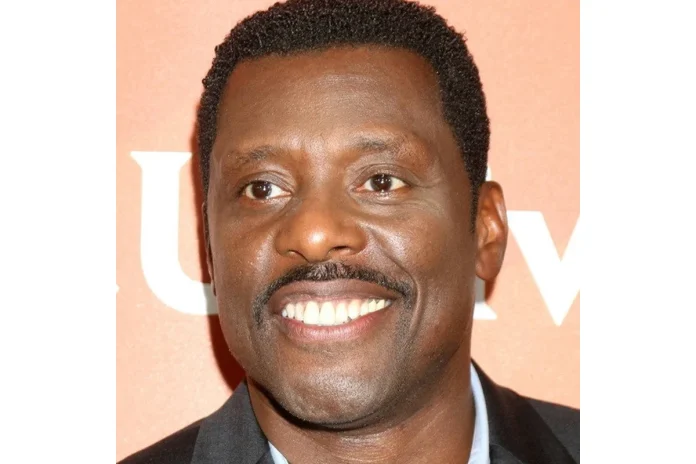
Eamonn Roderique Walker Bio
Eamonn Roderique Walker (born 12 June 1962) is a British actor whose career spans stage, television, and film. He first rose to prominence on British television in the 1980s and gained international recognition for his portrayal of Kareem Saïd on the HBO series Oz, earning a CableACE Award; he later led the cast of the NBC drama Chicago Fire from 2012 through 2024. Walker has played leading roles on stage and screen, and he lives in the United States with his wife Sandra and their three children.
Early Life and Background
Eamonn Roderique Walker was born in West London on 12 June 1962 to a Grenadian father and a Trinidadian mother and was brought up in Islington. He spent six months living in Trinidad at age nine, an experience that complemented his London upbringing and early cultural exposure. Walker attended Hungerford School in Islington and began studying social work at the Polytechnic of North London before training as a dancer and joining the Explosive Dance Theatre Company in London; an abscess on his calf forced him to give up dancing and pivot into acting. He later continued his craft studies at the New York Film Academy in the United States, reinforcing a trajectory from British stage work to international screen roles.
Path to Celebrity
Walker made his professional stage debut in 1983 in the musical Labelled with Love, and he moved into television with appearances beginning in 1985, including roles on series such as Dempsey and Makepeace and Dramarama. He won early recognition in the BBC sitcom In Sickness and in Health, playing Winston across the first three series, and he secured a recurring role as PC Malcolm Haynes on the ITV drama The Bill from 1988 to 1989. Through the 1990s Walker continued to build his screen résumé with British films such as Young Soul Rebels and Shopping and with television assignments that established him as a versatile character actor and prepared him for his later breakthrough in American television.
Eamonn Walker Career
Early Career (1983–1996)
Walker began professionally on stage and steadily expanded into television and film through the late 1980s and early 1990s. His television work during this period included In Sickness and in Health and The Bill, and his first significant film role came in 1991 with Young Soul Rebels; he followed that with roles in Shopping and other British productions. Across these years Walker developed a reputation for strong character work that combined theatrical training with screen presence, positioning him for larger international opportunities.
During the 1990s Walker continued to appear in British television comedies and dramas and in feature films, broadening his range and visibility. His credits in this period reflect steady work across genres and a transition from domestic British projects to productions that would lead to his later American breakthrough.
Oz Breakthrough (1997–2003)
Walker won a major role in 1997 as Kareem Saïd on the HBO prison drama Oz, a part that brought him international notice and critical acclaim. To prepare for the role Walker researched American Muslim culture, spending time at a Harlem mosque to inform his portrayal of a devout and charismatic inmate, and his performance earned him the CableACE Award for Best Actor in a Dramatic Series in 1997. He remained a central figure on Oz through much of the series run, and the role earned a Satellite Awards nomination in 1999 as further recognition of his work.
Saïd became one of Walker’s defining screen characters and helped establish his standing in American television drama, demonstrating his capacity to carry complex, morally centered roles while bringing depth to serial storytelling. The visibility from Oz opened doors to film roles in the United States and to stage opportunities on Broadway and in other major theaters.
Chicago Fire Era (2012–2024)
Beginning in 2012 Walker joined the ensemble of the NBC drama Chicago Fire as Wallace Boden, a central figure in the series and its spinoffs; he starred in the role through 2024. His tenure on the show spanned multiple seasons and connected him with a mainstream American television audience, underlining a sustained leading presence on network television. Walker took a temporary departure from the series for personal reasons and later returned to the show in season 13, marking a notable arc in his long-term involvement with the franchise.
The Chicago Fire era reinforced Walker’s profile as a steady lead actor on serialized television while allowing him to balance regular screen work with intermittent stage projects and film appearances. His role on the series underscored an ability to anchor ensemble dramas and to give consistent performances across extended storylines.
Acting Style and Strengths
Walker’s acting is marked by a commanding presence, measured intensity, and disciplined preparation that draw on his stage training and early dance background. He brings detailed research and cultural sensitivity to roles such as Kareem Saïd, and he adapts readily between the theatrical demands of stage work and the intimacy of screen performance. Casting directors and audiences have frequently noted his capacity to embody leadership figures and morally complex characters with clarity and restraint.
Notable Events and Milestones
Key milestones in Walker’s career include his CableACE Award win for Oz in 1997, a Satellite Awards nomination in 1999, and a Black Film Makers Film and Television Awards win for Best Male Performance in Television for Othello in 2002. He made his Broadway debut in 2005 playing Mark Antony in Julius Caesar alongside Denzel Washington, and in 2007 he became the first black actor to play Othello at Shakespeare’s Globe in London. Walker’s film work has included portrayals such as Howlin’ Wolf in Cadillac Records and supporting roles in Unbreakable, Tears of the Sun, and Lord of War, each contributing to a varied screen résumé.
Eamonn Walker Career Wins
Walker’s verified recognitions include the 1997 CableACE Award for Best Actor in a Dramatic Series for Oz, a 1999 Satellite Awards nomination for Best Actor in a TV Drama Series for Oz, and a Best Male Performance in Television award at the Black Film Makers Film and Television Awards in 2002 for his work in Othello; these honors highlight both his television and stage achievements. His career is defined less by trophy totals than by sustained lead roles on major television series, acclaimed stage performances, and recurring film work across three decades.
Oz Highlights
On Oz Walker’s performance as Kareem Saïd established him in the American television landscape and earned him major award recognition early in the series run. The character’s complexity and Walker’s researched performance style made Saïd a memorable and influential part of the show’s ensemble and a touchstone credit in Walker’s career.
Chicago Fire Highlights
Walker’s portrayal of Wallace Boden on Chicago Fire spanned more than a decade and included appearances across the show’s spinoffs, providing a durable leading credit and steady mainstream recognition. His return to the series during season 13 underscored his long-term association with the franchise and his role as a central figure in the Chicago television universe.
Other Wins & Perfromances
Beyond television, Walker’s stage work has been prominent, with a Broadway debut in Julius Caesar in 2005 and a lead role in the Steppenwolf Theatre Company production of Between Riverside and Crazy in 2020. His filmography includes Young Soul Rebels, Shopping, Once in the Life, Unbreakable, Tears of the Sun, Duma, Cadillac Records, The Messenger, Legacy, and A Lonely Place to Die, reflecting a steady mix of British and American film work.
Eamonn Walker Family
Family Background and Racing Lineage
Walker was born to a Grenadian father and a Trinidadian mother and raised in Islington, North London; his early life combined a London upbringing with a brief childhood return to Trinidad. That multicultural heritage and London schooling formed a foundation for his early artistic interests and later international career.
Personal Life
Walker is married to Sandra Walker and they have three children; the family resides in the United States. He balances professional commitments across stage and screen with family life and has maintained a career that moves between British and American projects without changing his public commitment to both theatrical and screen work.