
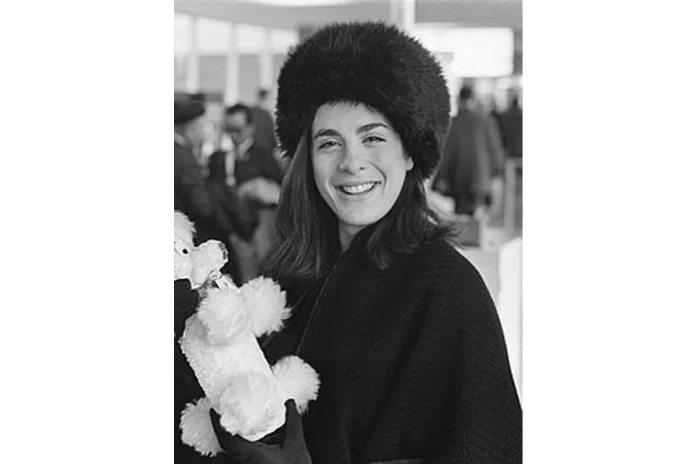
Eleanor Bron Bio
Eleanor Bron (born 14 March 1938) is an English stage, film and television actress and author. She rose to prominence after joining the Cambridge Footlights and built a versatile career with landmark film roles in Help! (1965), Alfie (1966), Bedazzled (1967) and Women in Love (1969), and with frequent television and radio work across decades. Bron has also written books and performed widely in theatre, including West End productions and benefit shows, maintaining a steady presence in British entertainment since 1959.
Early Life and Background
Eleanor Bron was born on 14 March 1938 in Stanmore, Middlesex, England, into a Jewish family. Her family background included changes to the family surname before her birth; her father adopted the name Bron for professional purposes. Bron attended the North London Collegiate School and later Newnham College, Cambridge, where she read Modern Languages, a period she later described as privileged and formative.
Bron’s Cambridge education brought early exposure to theatrical life and performance. Her time at Newnham College provided both academic training in languages and an introduction to the theatrical networks that would shape her early career, including an entry point into the Cambridge Footlights revue tradition.
Path to Celebrity
Bron’s theatrical breakthrough began with the Cambridge Footlights revue in 1959, a notable development because the revue had previously been an all-male institution. Her presence in The Last Laugh marked a visible shift in the troupe’s approach and placed her alongside emerging British comic talents. That early association with the Footlights connected her to peers and writers who were reshaping British comedy and theatre in the 1960s.
Following Footlights, Bron moved steadily into professional theatre, film and television. Her facility with languages and her stage experience made her a versatile performer for both comic and dramatic roles. The combination of stage training, early revue work and Cambridge connections created career opportunities that led quickly to film roles in major British productions of the 1960s.
Eleanor Bron Career
Early Career (1959–1969)
Bron’s professional career began in 1959 with the Cambridge Footlights, and by the mid-1960s she had secured character roles in a number of significant films. She appeared as Ahme in the Beatles musical Help! (1965), a role that introduced her to wider international audiences. That period also saw Bron cast as the Doctor in Alfie (1966), Margaret Spencer in Bedazzled (1967) and Hermione Roddice in Women in Love (1969), each role demonstrating a capacity to move between comedic and serious material.
During this decade Bron maintained a presence on stage while expanding into screen work. Her film performances were often noted for precise comic timing and a controlled dramatic presence, qualities that allowed her to take memorable supporting parts alongside prominent actors and filmmakers of the era. By 1969 Bron was established as a dependable and distinctive character actor in British cinema.
Film Breakthrough (1965–1969)
The mid-1960s to the end of the decade was Bron’s most visible era in film. Help! (1965) gave her an international platform; Alfie (1966) and Bedazzled (1967) placed her in high-profile projects with major stars and comedian-writers. Her performance in Women in Love (1969) under Ken Russell affirmed her dramatic range, moving beyond comic support roles into weightier material. These films remain among Bron’s most cited credits and helped to cement her public reputation.
Across these projects Bron often played intelligent, urbane characters whose interactions with leads and ensembles enriched the films’ tonal range. Her work in both commercial and more artistically ambitious films of the 1960s created a body of screen work that directors and casting teams referenced in later decades.
Television and Stage Breakthrough (1970s–1990s)
From the 1970s onward, Bron expanded her career into television and radio while continuing stage performances. She collaborated on television projects with writers and performers such as Michael Frayn and made appearances in sketch shows and sitcoms, including Yes Minister and Absolutely Fabulous. Her television work included guest roles and recurring appearances that showcased an ability to adapt to varied formats from sitcom to drama and radio to television adaptations.
Bron continued to appear on stage in the West End and in benefit performances, including contributions to Amnesty International’s Secret Policeman’s Ball series of shows. She also gave premiere performances of contemporary pieces and worked with ensembles for musical and dramatic recitals, reflecting a sustained commitment to live performance alongside her screen career.
Recent Work Era (2000s–present)
Bron remained active into the 21st century with a mix of television, radio and occasional film roles. She performed on radio dramas and narrations, appeared in television dramas and guest roles, and continued to take part in charity and public-reading projects. In the 2000s and 2010s she featured in adaptations and series including guest spots in Midsomer Murders and contributions to BBC radio serials and readings.
Her continued presence in broadcasting and occasional stage appearances attests to a long-running career that adapts to new formats while drawing on a deep repertoire of comic and dramatic techniques. Bron’s longevity in the industry reflects steady professional choices and ongoing collaborations with writers, directors and performers across generations.
Driving Style and Strengths
Eleanor Bron’s acting style combines crisp comic timing with clear enunciation and a controlled dramatic sensibility. She often portrays intelligent, sometimes aloof characters and brings a literate precision to dialogue, owed in part to her academic background in Modern Languages. Directors and audiences have noted her capacity to support leading performances while adding a distinct presence that elevates ensemble scenes.
Notable Events and Milestones
Key milestones in Bron’s career include the 1959 Footlights revue that launched her profile, her feature-film run in the 1960s with Help!, Alfie, Bedazzled and Women in Love, and sustained television and radio work in subsequent decades. Bron also authored books, including a cycling memoir and a volume reflecting on the library of her partner Cedric Price, underscoring a creative life that extends beyond acting into writing and spoken-word performance.
Eleanor Bron Family
Family Background and Racing Lineage
Bron was born into a Jewish family in Stanmore, Middlesex; her father changed the family surname to Bron before her birth. Her elder brother Gerry Bron worked in the music industry as a record producer, a detail that situates the family within Britain’s broader postwar cultural landscape.
Personal Life
Eleanor Bron was the long-term partner of architect Cedric Price until his death in 2003; the couple had no children. Bron has spoken and written about aspects of life beyond performance, and her publications include a cycling memoir and a reflective inventory of her partner’s library. Public accounts list her as a pescetarian.
Eleanor Bron Career Highlights
Over a career beginning in 1959 and extending into the 21st century, Bron’s highlights include prominent film roles in the 1960s, regular and memorable television appearances, radio performances and stage work that spans West End musicals, dramatic plays and benefit concerts. She has authored books and contributed to recorded recitals and narrations, creating a multi‑faceted professional profile across stage, screen and print.
Film and Television Highlights
Bron’s most widely cited screen credits are Help! (1965), Alfie (1966), Bedazzled (1967) and Women in Love (1969). On television she is known for appearances in Yes Minister, Doctor Who and Absolutely Fabulous, along with numerous radio roles and guest spots that demonstrate her range in both comedy and drama.
Other Work and Publications
As an author, Bron wrote Life and Other Punctures, an account of bicycling in France and Holland, and Cedric Price Retriever, a book documenting the contents of her partner’s bookshelves. She has recorded recitations and performed new verses for musical pieces, and has participated in charity performances and readings over many years, extending her public profile beyond acting alone.
Eleanor Bron’s career remains notable for its longevity, its breadth across mediums and the steady elegance of her performances, which have contributed to a distinctive and enduring presence in British cultural life.