
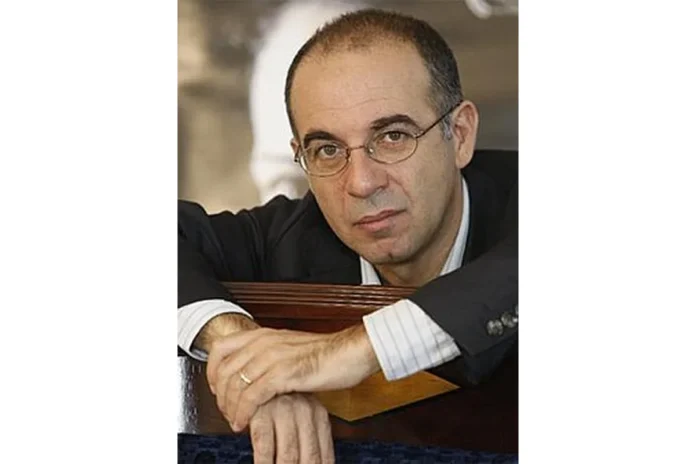
Giuseppe Tornatore Bio
Giuseppe Tornatore (born 27 May 1956) is an Italian film director and screenwriter whose work revived critical attention to Italian cinema. Born in Bagheria in Sicily, Tornatore emerged in the mid-1980s with intimate dramas that blend human warmth and classical storytelling. He is best known internationally for Cinema Paradiso, a film that earned the Academy Award for Best Foreign Language Film and established him as a leading voice in European cinema.
Early Life and Background
Giuseppe Tornatore was born in Bagheria, Sicily, where he developed an early interest in acting and theatre. By his mid teens he staged works by Luigi Pirandello and Eduardo De Filippo, an experience that informed his sense of dramatic timing and character. His upbringing in a Sicilian town shaped the recurring themes of memory, community and provincial life that appear across his films.
Before moving into feature filmmaking Tornatore worked as a freelance photographer and then in Italian public television. That visual and broadcast experience contributed to his technical approach behind the camera and helped him build professional contacts within Italy’s film and television industries. Those early jobs set the practical foundation for his transition to narrative cinema in the 1980s.
Path to Celebrity
Tornatore began his screen career with documentary work, including the collaborative film Le minoranze etniche in Sicilia, which won a prize at the Salerno Festival. He later worked for RAI, the Italian public broadcaster, where he gained experience in production and storytelling for a mass audience. These early steps led to his first full-length fiction feature and to recognition within Italian cinema circles.
His first full-length film, The Professor, was released in 1985 and brought a positive response from critics and audiences, earning Tornatore the Italian Silver Ribbon for best new director. A breakthrough collaboration with producer Franco Cristaldi followed and set the stage for Cinema Paradiso in 1988. That film became Tornatore’s international breakthrough and remains the anchor of his reputation abroad.
Giuseppe Tornatore Career
Early Career (1985–1988)
Tornatore made his fiction debut with The Professor in 1985 after earlier documentary and television work. The film received critical notice in Italy and won him a Silver Ribbon as best new director, a national recognition that marked him as a promising voice. Those years were formative: he refined his narrative voice, established key creative relationships and moved from regional projects to features with wider distribution.
During this period Tornatore continued to draw on Sicilian settings and themes, using strong visual composition and a focus on character-driven stories. His background in photography and television informed the economy of his storytelling and his ability to stage emotionally resonant scenes on modest budgets. These strengths prepared him for the international visibility that would follow with his next film.
Cinema Paradiso Breakthrough (1988–1990)
Cinema Paradiso, released in 1988, is Giuseppe Tornatore’s best-known film and the work most closely associated with his international reputation. The film narrates the life of a successful director who returns to his native town in Sicily for the funeral of his mentor and celebrates the power of cinema, memory and mentorship. Its global success culminated in the Academy Award for Best Foreign Language Film in 1990 and brought Tornatore sustained attention from critics and festival programmers.
The film’s emotional clarity, nostalgic tone and affectionate depiction of small-town life established Tornatore as an auteur with a particular gift for elegiac storytelling. Cinema Paradiso proved durable in its appeal and created opportunities for the director to pursue larger international co-productions and to work with eminent collaborators in subsequent projects.
Later Feature Films and Collaborations (1990s–2000s)
Across the 1990s and 2000s Tornatore directed a string of notable features, including Everybody’s Fine (1990), The Legend of 1900 (1998) and Malèna (2000). These films vary in scale and tone but share a focus on character, atmosphere and melodramatic detail. The Legend of 1900 expanded his canvas with a period setting and a more formally ambitious narrative, while Malèna returned to Sicilian subject matter filtered through themes of desire and social scrutiny.
Tornatore has maintained a long-standing creative partnership with composer Ennio Morricone, a collaboration that began in the late 1980s and extended across numerous features. Morricone’s scores have been integral to the emotional architecture of Tornatore’s films and contributed to their international resonance. The director has also worked at the intersection of film and fashion, directing advertising campaigns for Dolce & Gabbana, which showcased his visual sensibility outside of feature filmmaking.
In the 2000s Tornatore continued to produce films that drew both festival attention and mainstream audiences, with titles such as Baarìa and The Best Offer among his later high-profile releases. He has balanced personal, regionally rooted narratives with projects that aim for international distribution, sustaining a career that spans domestic and global markets. His work over these decades demonstrates continuity of theme and increasing technical polish.
Directing Style and Strengths
Giuseppe Tornatore’s filmmaking favors lyrical, emotionally direct storytelling grounded in strong visual composition and careful period detail. He often explores memory, mentorship and the relationship between art and everyday life, using music and production design to heighten feeling. Critics and audiences recognize his films for their warmth, narrative clarity and respectful treatment of characters, qualities that have defined his authorial identity.
Notable Events and Milestones
Major milestones in Tornatore’s career include the international breakthrough of Cinema Paradiso and the Academy Award for Best Foreign Language Film in 1990. Earlier recognition came with the Salerno Festival prize for his documentary work and the Silver Ribbon for best new director after his debut feature. Over decades his films have been programmed at international festivals and have sustained his reputation as a central contemporary figure in Italian cinema.
Giuseppe Tornatore Career Wins
Giuseppe Tornatore’s verified awards include the Academy Award for Best Foreign Language Film for Cinema Paradiso and the Italian Silver Ribbon for best new director for his early feature work. Festival prizes and national honors early in his career helped establish his profile and supported his move into larger, internationally financed projects. These awards mark key public recognitions of his creative achievements and his contribution to Italian film.
Film Highlights
Cinema Paradiso stands as Tornatore’s most celebrated film, winning the Academy Award and securing global recognition. Other widely noted works in his filmography include Everybody’s Fine, The Legend of 1900, Malèna, Baarìa and The Best Offer, each demonstrating different facets of his storytelling range. Collectively these titles illustrate a career that balances personal themes with broad cinematic ambitions.
Other Wins & Perfromances
Before his feature debut Tornatore earned a Salerno Festival prize for his documentary Le minoranze etniche in Sicilia, a regional recognition that validated his early filmmaking. He also received national awards for emerging directors, which underscored industry confidence in his transition from television and documentary work to mainstream narrative cinema. These early honors were instrumental in advancing his career.
Giuseppe Tornatore Family
Family Background and Film Lineage
Giuseppe Tornatore was raised in Bagheria, a Sicilian town that has informed much of his creative work. His brother, Francesco Tornatore, is a film producer, indicating a family connection to the film industry that has been present during his career. That regional and familial context frames much of Tornatore’s interest in memory, place and the social texture of small communities.
Personal Life
Tornatore has spoken publicly about his personal views and once described himself as someone who does not believe and who regrets this, a remark that has appeared in profiles of his life. Public records do not list a spouse or children in the provided facts, and Tornatore’s private life has remained discreet relative to his public career. His professional collaborations and film work constitute the most publicly documented aspects of his life.