
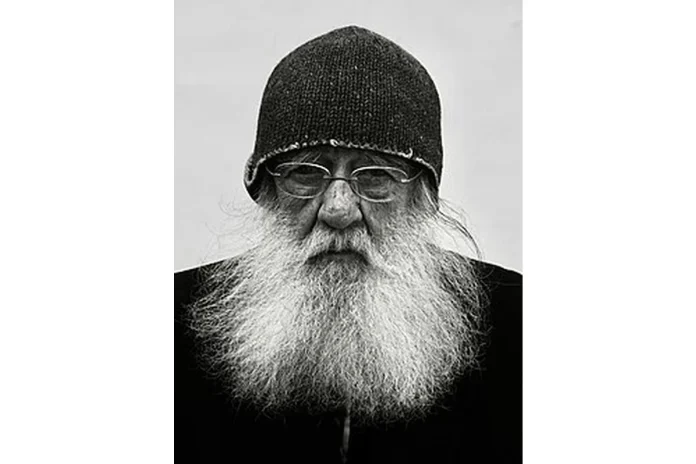
Godfrey Reggio Bio
Godfrey Reggio (born 1940) is an American director of experimental documentary films whose work is celebrated for its wordless, visually driven approach to cinema. He is best known for the Qatsi trilogy, a series of non-narrative films that examine the relationship between nature, technology, and modern life. Over a career spanning more than four decades, Reggio has become a distinctive voice in American filmmaking, blending observational imagery with carefully constructed musical scores to shape the rhythm and meaning of his projects.
Beyond his work behind the camera, Reggio is recognized as a social activist and a founder of community organizations in New Mexico. His films have been the subject of a major career retrospective at the Museum of Arts and Design in New York City, and his personal archives are preserved at Harvard University. He lives in Santa Fe, New Mexico, where the Godfrey Reggio Foundation continues to support his ongoing creative work.
Early Life and Background
Godfrey Reggio was born in 1940 in New Orleans, Louisiana, and grew up in a Catholic family. The cultural environment of his hometown, with its deep musical and visual traditions, would later inform his sense of composition and pacing on film. As a teenager he made a decisive change in his life, leaving home at the age of 14 to join the Catholic Christian Brotherhood.
Within the Brotherhood, Reggio entered a period of monastic training that included 14 years of silence and prayer. This extended experience with silence became a defining influence on his later artistic choices, particularly his preference for non-verbal, image-based storytelling. The discipline and contemplative habits formed during those years shaped the meditative pace of his documentary work and his interest in perception as a cinematic subject.
During the 1950s and 1960s, Reggio worked as a social activist with Chicano street gangs in New Mexico while still affiliated with the Brotherhood. A fellow brother introduced him to the film Los Olvidados by the Spanish-French-Mexican surrealist filmmaker Luis Buñuel, an experience that strongly influenced his view of cinema as a tool for social observation. He has also cited the documentary poet Artavazd Peleshyan as a mentor and friend whose ideas about the moving image left a lasting mark on his approach.
Path to Filmmaker
Reggio’s transition from activism to filmmaking grew out of his community work in New Mexico. He helped found the Institute for Regional Education in Santa Fe, a non-profit foundation dedicated to supporting regional cultural and educational projects. He also became a founder of La Clinica de la Gente, a medical facility that served approximately 12,000 community members in northern New Mexico’s barrios, as well as the Young Citizens for Action, a project that aided juveniles involved in street gangs in Santa Fe.
In 1972, Reggio worked with the American Civil Liberties Union of New Mexico to develop a media campaign addressing the loss of privacy, the rise of surveillance, and the militarization of police in the United States during the post-Vietnam War era. The campaign was presented on television, radio, billboards, and in major newspapers, giving him direct experience with the power of visual media to influence public consciousness. These activist projects led him to consider film as an extension of his community and advocacy work, setting the stage for his career as a director.
Godfrey Reggio Career
Early Career
Reggio’s first major film, Koyaanisqatsi, was released in 1982 and introduced audiences to his signature approach: a feature-length, non-narrative documentary built from carefully selected images set to a powerful musical score. The title comes from the Hopi language and translates to “Life Out of Balance.” The film established his long-term collaboration with composer Philip Glass, whose orchestral work became inseparable from the visual rhythm of the project.
During the early stages of his filmography, Reggio also produced the short film Evidence, which examines the effect of cinema on the minds of children, and the documentary Anima Mundi, a montage of images of more than seventy animal species. These works demonstrated his interest in using film as a tool to explore perception and the broader relationship between human beings and the natural world.
Breakthrough
Reggio’s breakthrough arrived with the completion of the Qatsi trilogy, a three-part series of non-narrative documentary films. Following the success of the first installment, he released Powaqqatsi in 1988, a film whose title translates from the Hopi language as “Life in Transformation,” and later completed the trilogy with Naqoyqatsi in 2002, titled “Life as War.” Each film uses slow motion, time-lapse photography, and original music to examine the pace and consequences of modern civilization.
Reggio expanded his visual approach with the film Visitors, which premiered at the Toronto International Film Festival. The film consists largely of extended slow-motion close-ups of people’s faces looking directly into the camera, continuing his exploration of consciousness and the human gaze. In 2022, he released Once Within a Time, produced by Steven Soderbergh and Alexander Rodnyansky, which had its world premiere at the Santa Fe International Film Festival, where the festival presented him with a Lifetime Achievement Award.
Notable Works and Milestones
The Qatsi trilogy remains the central body of work in Reggio’s filmography, and his collaboration with composer Philip Glass has shaped the musical dimension of his filmmaking. In 2014, the Museum of Arts and Design in New York City hosted a full career retrospective titled Life with Technology: The Cinema of Godfrey Reggio, recognizing his contribution to experimental documentary cinema. The bulk of his cinematic records, manuscripts, papers, photographs, and film rolls, gathered over more than forty years, have been acquired by Harvard University’s Houghton Library and the Harvard Film Archive.
Godfrey Reggio Award Nominations
Information about specific award nominations for Godfrey Reggio is not available in the verified sources provided for this profile. As a director of non-narrative experimental documentary films, his work has more often been recognized through retrospectives, festival honors, and institutional recognition than through traditional industry nomination categories. Additional verified information about specific nominations would be needed to populate this section.
Godfrey Reggio Awards Won
Among the verified honors received by Godfrey Reggio is the Lifetime Achievement Award presented at the Santa Fe International Film Festival in October 2022, in conjunction with the world premiere of his film Once Within a Time. In 2014, the Museum of Arts and Design in New York City recognized his body of work with a full career retrospective titled Life with Technology: The Cinema of Godfrey Reggio. The archival preservation of his records by Harvard University’s Houghton Library and the Harvard Film Archive stands as an additional marker of his standing within the documentary and experimental film community.
Godfrey Reggio Family
Godfrey Reggio is married to Marti Reggio, who started the Godfrey Reggio Foundation in 2024 to support his ongoing creative projects. He has lived in Santa Fe, New Mexico, since the 1960s, the community where he raised his family and built much of his activist and filmmaking work. The couple has continued to reside in Santa Fe, where the foundation carries forward his artistic mission.
Personal Life
Godfrey Reggio has lived in Santa Fe, New Mexico, since the 1960s, the city that has served as the base for his community organizations, his collaborations, and his filmmaking career. He is married to Marti Reggio, and the couple has been involved in maintaining the legacy and future direction of his filmography through the Godfrey Reggio Foundation. His years as a monk and his later work as a social activist have remained central influences on his personal outlook, reinforcing his preference for wordless, image-driven storytelling that invites viewers to reflect on perception, technology, and the human condition.