
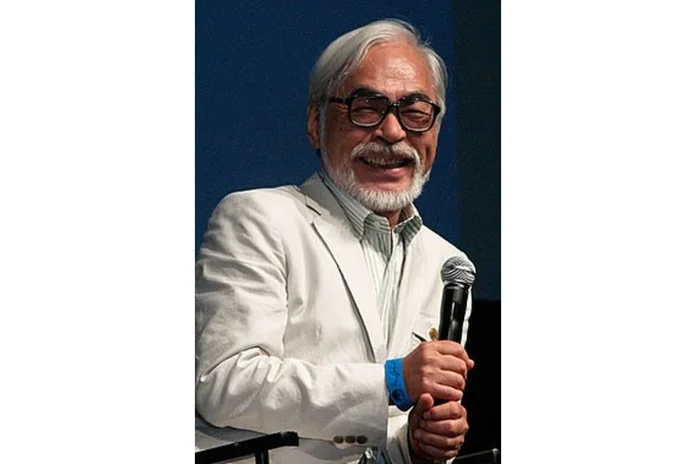
Hayao Miyazaki Bio
Hayao Miyazaki (宮崎 駿, born January 5, 1941) is a Japanese animator, filmmaker, and manga artist who co-founded Studio Ghibli and serves as its honorary chairman. He built a career beginning at Toei Animation in 1963 and is known for richly imagined, hand-drawn films that explore humanity’s relationship with nature, pacifism, and resilient protagonists.
Early Life and Background
Hayao Miyazaki was born on January 5, 1941, in Tokyo City, Empire of Japan, the second of four sons. His father, Katsuji Miyazaki, directed a company that manufactured aircraft components, and his mother, Yoshiko Miyazaki, influenced his sensibilities; wartime evacuations and the experience of bombed-out cities during his childhood left durable impressions reflected in his later work.
Miyazaki attended Toyotama High School and graduated from Gakushuin University with a degree in political science and economics in 1963, though he concentrated on art and comics. Early cinematic experiences such as The White Snake Enchantress and frequent filmgoing with his father helped shape his ambition to work in animation, and he developed strong interests in drawing, aircraft, and storytelling from a young age.
Path to Celebrity
Miyazaki began his professional career at Toei Animation in 1963 as an inbetween artist and later moved into key animation and scene design under mentors including Yasuo Ōtsuka. He became active in labor organization at Toei and formed a lifelong creative partnership with Isao Takahata, collaborating on influential projects like The Great Adventure of Horus, Prince of the Sun.
Across the 1970s Miyazaki worked at several studios—A-Pro, Zuiyō Eizō, Nippon Animation and Tokyo Movie Shinsha—directing television work such as Future Boy Conan and making his feature directing debut with The Castle of Cagliostro in 1979. The manga and film Nausicaä of the Valley of the Wind (1984) marked a major turning point, leading Miyazaki to co-found Studio Ghibli in 1985 and establish his international reputation.
Hayao Miyazaki Career
Early Career (1963–1979)
From 1963 Miyazaki worked at Toei Animation on films and TV series, moving from inbetween work to key animation and storyboarding. He contributed to productions including Gulliver’s Travels Beyond the Moon and The Great Adventure of Horus, Prince of the Sun, where his role as scene designer and key animator drew critical notice and connected him with peers who would shape his career.
After leaving Toei he collaborated with Isao Takahata at A-Pro and Nippon Animation, co-directing episodes of Lupin the Third and helping to develop World Masterpiece Theater titles. His first television series as director, Future Boy Conan (1978), and his 1979 feature The Castle of Cagliostro demonstrated his visual storytelling and set the stage for his later feature work.
Nausicaä Breakthrough (1982–1984)
Miyazaki created the manga Nausicaä of the Valley of the Wind and directed its 1984 film adaptation, which solidified his status as a major animator and storyteller. The film combined ecological themes, complex female protagonists, and richly detailed worldbuilding, earning wide acclaim in Japan and establishing narrative and aesthetic patterns that would recur throughout his filmography.
The success of Nausicaä led directly to the founding of Studio Ghibli in 1985 and allowed Miyazaki greater creative control. He began collaborating consistently with composer Joe Hisaishi and producer Toshio Suzuki, forming the core creative team for many subsequent projects.
Studio Ghibli Breakthrough (1985–2004)
At Studio Ghibli Miyazaki wrote and directed films that blended folkloric imagination with modern concerns: Laputa: Castle in the Sky (1986), My Neighbor Totoro (1988), Kiki’s Delivery Service (1989), and Porco Rosso (1992). Totoro and Kiki became cultural touchstones, while Miyazaki’s blend of strong young heroines, environmental themes, and hand-drawn craft drew a growing international audience.
Princess Mononoke (1997) marked a global breakthrough: a historical-fantasy epic that became the highest-grossing film in Japan for a time and won the Japan Academy Film Prize for Picture of the Year. Spirited Away (2001) followed, becoming Japan’s highest-grossing film on record at the time and winning the Academy Award for Best Animated Feature and the Golden Bear at the Berlin International Film Festival, cementing Miyazaki’s world-class reputation.
Later Works and Return (2004–Present)
Miyazaki continued to produce acclaimed work with Howl’s Moving Castle (2004), Ponyo (2008), and The Wind Rises (2013), which won Animation of the Year at the Japan Academy Film Prize and was nominated for Best Animated Feature at the Academy Awards. He announced retirement in 2013 but remained active in shorter projects and museum work.
In 2023 Miyazaki released The Boy and the Heron, which achieved significant box-office success and won the Academy Award for Best Animated Feature, granting Miyazaki a second Academy Award as director. Studio Ghibli remains central to his output and legacy; he serves as honorary chairman and continued to participate in planning future projects after 2023.
Directing Style and Strengths
Miyazaki favors hand-drawn animation and develops stories through storyboards rather than conventional scripts, overseeing every frame to ensure strong visual logic and emotional detail. His strengths include richly textured worlds, empathetic character work—particularly resilient young women—and a clear thematic focus on nature, pacifism, and craftsmanship supported by recurring collaborations such as composer Joe Hisaishi.
Notable Events and Milestones
Key milestones include founding Studio Ghibli in 1985, Princess Mononoke becoming Japan’s top-grossing film in 1997, Spirited Away winning the Academy Award in 2003, receiving an Academy Honorary Award in 2014, and securing a second Best Animated Feature Oscar for The Boy and the Heron. His works have been subject to major museum exhibitions and extensive scholarly analysis.
Hayao Miyazaki Career Wins
Miyazaki’s films have earned major awards in Japan and internationally, with verified highlights including Academy Awards, Japan Academy prizes, and major festival honors. His work has been repeatedly recognized for both artistic excellence and popular impact across decades.
Spirited Away and Major Film Highlights
Spirited Away (2001) won the Academy Award for Best Animated Feature, the Golden Bear at the Berlin International Film Festival, and multiple Japan Academy prizes, becoming a defining success for Miyazaki and Studio Ghibli. Princess Mononoke won the Japan Academy Film Prize for Picture of the Year and held top box-office status in Japan; The Wind Rises and Howl’s Moving Castle received further Academy Award nominations.
Other Wins & Perfromances
Miyazaki has received lifetime and cultural honors including the Academy Honorary Award and designation as a Person of Cultural Merit. His films have won numerous Mainichi Film Awards, Japan Academy Awards, and international festival accolades; in 2024 he was honored with the Ramon Magsaysay Award for contributions to art and culture.
Hayao Miyazaki Family
Family Background and Artistic Lineage
Miyazaki’s father, Katsuji Miyazaki, ran an aircraft parts business and his mother, Yoshiko, influenced his imagination and discipline. The household’s resources and his parents’ personalities shaped his early exposure to art, literature, and cinema, informing themes that later appeared in his films.
Personal Life
Miyazaki married Akemi Ōta in October 1965; she worked as an inbetween artist before leaving to raise their family. They have two sons: Goro Miyazaki (born 1967), who has directed films associated with Studio Ghibli and served in museum roles, and Keisuke Miyazaki (born 1969), who works as a wood artist.
2025 Season Performance
Following the international success of The Boy and the Heron and ongoing recognition of his lifetime achievements, Miyazaki remained a prominent figure in animation into the mid-2020s. Studio Ghibli continues to operate with Miyazaki as honorary chairman; the studio became a subsidiary of Nippon Television Holdings in 2023, a structural change that frames its ongoing operations.
Public discussion around Miyazaki in 2025 included renewed attention to his critiques of animation industry trends and the use of artificial intelligence, remarks that resurfaced as generative AI tools expanded. As of 2023 studio leadership reported that Miyazaki continued to attend the office daily and to plan future work, indicating ongoing creative involvement.