
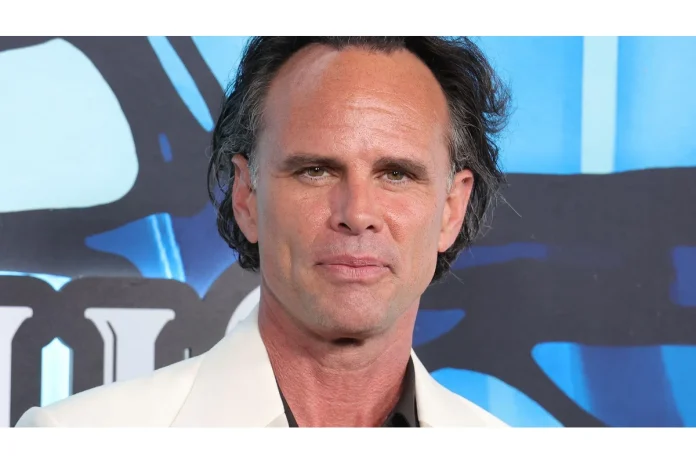
Jeff Cronenweth Bio
Jeffrey Scott Cronenweth, ASC (born January 14, 1962) is an American cinematographer and director based in Los Angeles, California. He is the son of influential cinematographer Jordan Cronenweth and is best known for his collaborations with director David Fincher on films including Fight Club, The Social Network, The Girl with the Dragon Tattoo, and Gone Girl.
Early Life and Background
Jeffrey Scott Cronenweth was born on January 14, 1962, in Los Angeles, California. He grew up in a household shaped by his father’s work in cinematography, which provided early and direct exposure to camera craft and film production.
Cronenweth began working with his father while still in high school, serving as a camera loader and second assistant camera before advancing to first assistant camera and camera operator roles. He later formalized his training at the USC School of Cinematic Arts, where he completed film studies that supported his technical development and professional network.
Path to Celebrity
Cronenweth advanced through on-set technical positions throughout the 1980s and early 1990s, building experience across features, commercials, and music videos. He worked steadily as a first assistant camera and camera operator, learning the practical mechanics of cinematography and developing a collaborative approach to cinematographic problem solving.
Working with his brother Tim as a director/DP team, the Cronenweths photographed numerous commercials and music videos in and out of Los Angeles. Those commercial and music video credits, combined with his feature work as an operator and assistant, positioned him for a transition to director of photography on major studio projects.
Jeff Cronenweth Career
Early Career (1984–1999)
Cronenweth’s professional career began in 1984 and spanned a decade of technical roles that established his reputation on set. During this period he worked primarily as a camera loader, second assistant camera, first assistant camera, and camera operator, gaining a practical fluency with lenses, lighting setups, and the demands of narrative production.
Those formative years culminated in his first assignment as director of photography on David Fincher’s Fight Club, released in 1999. That film marked Cronenweth’s shift from supporting camera roles to leading the photographic design of a major motion picture and introduced his visual sensibilities to a wide audience.
David Fincher Collaborations (1999–2014)
Cronenweth’s collaboration with David Fincher became a defining strand of his career. After serving as director of photography on Fight Club, he rejoined Fincher on subsequent projects that showcased his controlled use of light, composition, and depth of field as storytelling tools. These collaborations include The Social Network (2010), The Girl with the Dragon Tattoo (2011), and Gone Girl (2014).
Two of the films photographed by Cronenweth earned him nominations for the Academy Award for Best Cinematography, affirming his work at the highest level of industry recognition. His Fincher collaborations emphasized precision, subtlety, and a cinematic language that supported dense narratives and psychologically driven characters.
In recognition of his contributions to the field, Cronenweth was invited to join the cinematographers branch of the Academy of Motion Picture Arts and Sciences in 2004. That membership followed a steady ascent from technical assistant roles to principal photographic leadership on major films.
Recent Work and Collaborations (2014–Present)
Following his prominent feature collaborations through 2014, Cronenweth continued to work across film, commercials, and music videos while remaining based in Los Angeles. He and his brother Tim have continued their director/DP partnership on commercial and music video projects, maintaining a presence in both advertising and narrative filmmaking.
Across his career Cronenweth has balanced studio features with shorter-form work, applying the same attention to lighting, texture, and composition regardless of format. His ongoing activity in the industry reflects a sustained demand for his technical skills and visual approach.
Driving Style and Strengths
Cronenweth is known for his meticulous use of light and deliberate compositions to create a coherent visual language within a story. He often employs depth of field—either embracing it or minimizing it—as a storytelling device to guide audience focus, and his lighting choices frequently define mood and psychological tone rather than merely illuminating action.
Notable Events and Milestones
Key milestones in Cronenweth’s career include his first director of photography assignment on Fight Club, two Academy Award nominations for Best Cinematography, and his 2004 invitation to join the Academy of Motion Picture Arts and Sciences. His long-term collaboration with David Fincher and the production work he and his brother completed in commercials and music videos are notable elements of his professional history.
Jeff Cronenweth Family
Family Background and Racing Lineage
Cronenweth comes from a family with established roots in cinematography: his father, Jordan Cronenweth, was an influential cinematographer whose career provided early exposure and mentorship. That familial connection helped shape Jeff Cronenweth’s technical foundation and professional trajectory.
Personal Life
Jeff Cronenweth resides in Los Angeles, California, and remains active in film and commercial photography. He studied at the USC School of Cinematic Arts and maintains a professional profile defined by technical rigor and long-standing collaborations in both narrative and commercial production.