
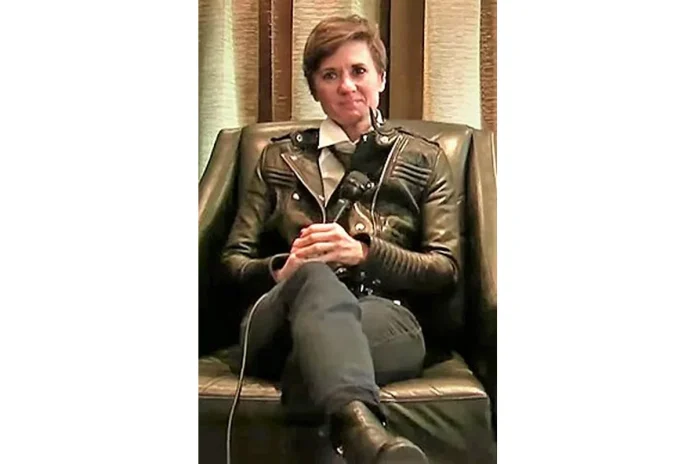
Kimberly Ane Peirce Bio
Kimberly Ane Peirce is an American filmmaker and director whose work foregrounds intimate human stories and social issues. She gained wide recognition with her debut feature Boys Don’t Cry (1999) and has since directed Stop-Loss (2008) and a 2013 adaptation of Stephen King’s Carrie, while serving in leadership roles within industry organizations.
Early Life and Background
Kimberly Ane Peirce was born on September 8, 1967, in Harrisburg, Pennsylvania, to Sherry and Robert A. Peirce, who owned a construction company. Her family moved to New York City when she was three and relocated to Miami, Florida, when she was eleven; she graduated from Miami Sunset Senior High School.
While attending the University of Chicago, Peirce spent two years in Kobe, Japan, where she worked as a photographer and taught English. She returned to the University of Chicago to complete a degree in English and Japanese literature and later enrolled at Columbia University to pursue an MFA in film, where she developed early short films and practical filmmaking training.
Path to Celebrity
Peirce arrived at filmmaking through a combination of academic study and hands-on experience. At Columbia she completed an experimental short that screened at the Locarno International Film Festival’s Leopards of Tomorrow program, and she shifted her thesis toward narrative cinema after discovering the story that would become Boys Don’t Cry.
Research and reporting formed an early hallmark of her approach: Peirce traveled to Falls City, Nebraska, to interview people connected to the life and death of Brandon Teena, a transgender man whose experience inspired Boys Don’t Cry. Those interviews and subsequent development work established her reputation for immersive storytelling and persistent research-driven preparation.
Kimberly Ane Peirce Career
Early Career (1994–1999)
Peirce began her professional career in the mid-1990s while completing film school and producing short projects. Her Columbia thesis short led to early recognition, including a faculty nomination for a Princess Grace Award and an Astrea Production Grant, and she supported development by working as a paralegal and as a 35mm film projectionist while securing funding.
With support from the Sundance Institute Filmmakers, Writers and Producers Labs, Peirce completed her first feature, Boys Don’t Cry, in 1999. The film debuted at major festivals and quickly established Peirce as a director willing to tackle difficult subjects with formal discipline and emotional clarity.
Boys Don’t Cry Breakthrough (1995–1999)
Boys Don’t Cry began as Peirce’s academic project and became a widely acclaimed debut feature when it premiered in 1999. The film opened at Venice, Toronto and New York film festivals and earned critical attention for its uncompromising portrayal of gender identity, violence and community. The film’s lead performances received major acting honors, and Peirce was recognized with Best Debut Director from the National Board of Review and Best New Filmmaker from the Boston Society of Film Critics.
The production process showcased Peirce’s methodical approach: extensive on-location reporting, interviews with people who knew Brandon Teena, collaboration with producer Christine Vachon, and a reliance on grants and lab support to move from short to feature. The film’s festival and critical momentum established Peirce’s presence as a director of serious dramatic cinema.
Stop-Loss Breakthrough (2005–2008)
Following her debut, Peirce spent years developing Stop-Loss, a project inspired in part by conversations with soldiers and by the experiences of her own brother. Beginning serious work in 2005, she traveled the United States to interview service members and collaborated with novelist and screenwriter Mark Richard to shape the script into a feature-length narrative.
Released in 2008 by Paramount Pictures, Stop-Loss received positive critical response and earned Peirce directing honors including the Hamilton Behind the Camera True-Grit Directing Award and the Andrew Sarris Directing Award. In association with the film she launched a multimedia initiative called SoundOff, which gave soldiers and families cameras to share their stories, and she advocated publicly on stop-loss policy and compensation measures before Congressional audiences.
Carrie (2013) Breakthrough (2013)
Peirce directed a contemporary adaptation of Stephen King’s Carrie, released October 18, 2013, starring Chloë Grace Moretz with Julianne Moore and Ansel Elgort in supporting roles. The film updated the classic horror narrative for a modern audience and received a People’s Choice Award for Favorite Horror Movie in 2014 while achieving a documented commercial run in domestic and international markets.
Carrie demonstrated Peirce’s facility in genre filmmaking alongside her dramatic work, applying attention to character psychology and emotional stakes within a horror framework. The production contributed to her wider filmography and underscored her versatility across subject matter and tone.
Academy and Industry Leadership Era (2013–Present)
Beyond directing, Peirce has served as a governor of the Academy of Motion Picture Arts and Sciences and as a National Board member of the Directors Guild of America. She is a founding member of ReFrame and has led diversity initiatives within the Academy’s Directors Committee, speaking publicly about representation, inclusion and industry practices.
Peirce’s industry engagement includes keynote appearances at Yale Transgender Week, Outfest and AFI Keynotes, and she has been honored by organizations such as GLAAD, Lambda Legal Defense and Outfest for both her creative work and her activism. Her public advocacy has become an integral part of her professional profile.
Driving Style and Strengths
Peirce’s directing style emphasizes rigorous research, immersive character work and psychological realism, often coupling intimate performances with precise visual storytelling. She has demonstrated an ability to move between intimate drama and genre filmmaking while maintaining a focus on social context and emotional truth.
Notable Events and Milestones
Key milestones in Peirce’s career include the international festival premieres of Boys Don’t Cry, major directing awards recognizing her debut feature, the advocacy and public testimony linked to Stop-Loss, and leadership roles within the Academy and the Directors Guild. Each milestone reflects both creative achievement and industry influence.
Kimberly Ane Peirce Career Wins
Peirce’s films and public work have yielded critical awards and institutional recognition. Her debut feature generated multiple festival prizes and critics’ honors and established a foundation for later directing awards tied to Stop-Loss and to her broader industry contributions.
Boys Don’t Cry Highlights
Boys Don’t Cry remains Peirce’s most widely referenced film, noted for its festival premieres and the awards earned by the film and its principal actors. Peirce herself received Best Debut Director from the National Board of Review and Best New Filmmaker from the Boston Society of Film Critics for the film’s impact and craft.
Other Wins & Perfromances
Stop-Loss brought additional directing honors including the Hamilton Behind the Camera True-Grit Directing Award and the Andrew Sarris Directing Award, and Carrie received audience-driven recognition in genre awards. Peirce’s activism has been acknowledged by advocacy organizations and film industry groups for contributions to representation and equity.
Kimberly Ane Peirce Family
Family Background and Racing Lineage
Kimberly Ane Peirce is the daughter of Sherry and Robert A. Peirce. Her father’s family name was originally Materazzi, and her parents ran a construction business; the family relocated several times during her childhood before settling in Miami where she completed high school.
Personal Life
Peirce has participated publicly in civic and industry activism and is identified in public profiles as Jewish. Public records and profiles list no verified spouse or children in available sources provided for this summary.
2025 Season Performance
In the 2025 season Peirce continues to balance creative work and industry leadership. She is reported as attached to direct an Amazon feature titled This Is Jane, a period drama centered on reproductive health activism in 1960s Chicago, and she remains active in industry organizations advocating for inclusion and diverse storytelling.
Her recent years have combined film development, television directing credits and public advocacy; this trajectory suggests ongoing projects in development alongside continued participation in Academy and Directors Guild activities. Her outlook emphasizes both creative projects and institutional change within the film community.