
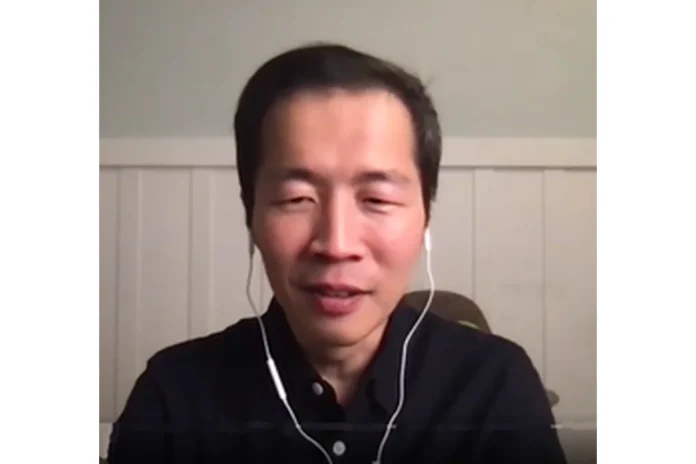
Lee Isaac Chung Bio
Lee Isaac Chung (born October 19, 1978) is an American filmmaker known for intimate, personal storytelling across film and television. His debut feature Munyurangabo (2007) premiered at the Cannes Film Festival and is celebrated for its portrayal of friendship and trauma after the Rwandan genocide. Chung gained wider recognition for Minari (2020), a semi-autobiographical drama that earned critical acclaim and multiple nominations including Best Director and Best Original Screenplay at the Academy Awards. He has also directed episodes for The Mandalorian (2023) and the feature film Twisters (2024), demonstrating his range from intimate dramas to large-scale genre projects.
Early Life and Background
Lee Isaac Chung was born on October 19, 1978, in Denver, Colorado, to parents who immigrated to the United States from South Korea. His family lived briefly in Atlanta before settling on a small farm in rural Lincoln, Arkansas. He attended Lincoln High School in Arkansas and was an alumnus of the U.S. Senate Youth Program, demonstrating early leadership and academic promise. Growing up on a farm in rural America while maintaining strong ties to Korean culture would later inform much of his filmmaking.
Chung attended Yale University to study biology with plans for medical school. During his senior year, exposure to world cinema changed his career trajectory, and he abandoned his plans for medicine to pursue filmmaking instead. He later returned to academia for graduate studies in filmmaking at the University of Utah, where he developed the technical and artistic skills that would serve his future career. His unique background combining scientific training with artistic sensibility would become a defining characteristic of his work.
Path to Director
In 2006, Chung accompanied his wife Valerie Chu to Rwanda, where she worked as an art therapist with survivors of the 1994 genocide. While there, he taught film-making classes at an international relief base in Kigali. This experience inspired his debut feature, as he saw an opportunity to present the contemporary reality of Rwanda while providing his students with practical film training. He developed a nine-page outline with co-writer Samuel Gray Anderson and shot the film over 11 days, working with a team of nonprofessional actors he found through local orphanages and with his students serving as crew members.
Munyurangabo premiered at the 2007 Cannes Film Festival as an Official Selection, making cinematic history as the first narrative feature film in the Kinyarwanda language. The film went on to screen at major festivals worldwide including the Busan International Film Festival, Toronto International Film Festival, Berlin International Film Festival, and Rotterdam International Film Festival. It won the Grand Prize at AFI Fest in Hollywood and was an official selection at the New Directors/New Films Festival at New York’s Lincoln Center and the Museum of Modern Art. Chung received nominations at the Independent Spirit Awards and Gotham Awards, marking an extraordinary debut in independent cinema.
Lee Isaac Chung Career
Early Career (2007–2012)
Following the success of Munyurangabo, Chung continued developing his craft with his second feature Lucky Life in 2010. The film was developed with support from Kodak Film and the Cinéfondation at the Cannes Film Festival and was inspired by the poetry of Gerald Stern. It premiered at the Tribeca Film Festival in New York City and was screened at festivals worldwide. In recognition of his emerging talent, Chung received the Waterston Women’s Leadership Award in 2010 and was named a United States Artists Fellow in 2012, an honor recognizing outstanding American artists.
His third film, Abigail Harm (2012), was based on the Korean folktale “The Woodcutter and the Nymph.” The film starred Amanda Plummer, Will Patton, and Burt Young and was shot on location in New York City. It was an official selection at the Busan International Film Festival, Torino Film Festival, San Diego Asian Film Festival, and CAAMFest. The film won both the Grand Prize and Best Director award at the Los Angeles Asian Pacific Film Festival. Beyond feature filmmaking, Chung mentored young Rwandan filmmakers through Almond Tree Rwanda, which has produced several acclaimed short films that traveled to international festivals.
Breakthrough (2013–Present)
Chung’s breakthrough came with Minari (2020), a semi-autobiographical drama about a Korean American family farming land in rural Arkansas. He wrote the film in the summer of 2018, a period when he was considering retirement from filmmaking and had accepted a teaching position at the University of Utah’s Asia Campus in Incheon, South Korea. Reflecting on this time, Chung noted that he believed he might have only one more opportunity to make a film, which prompted him to create something deeply personal. The film was released to widespread critical acclaim and achieved remarkable awards success.
Minari won the Golden Globe Award for Best Foreign Language Film and earned Chung Academy Award nominations for Best Director and Best Original Screenplay, making him one of the few Asian American filmmakers to achieve such recognition. In March 2023, Chung directed an episode of the third season of the Disney+ series The Mandalorian, expanding his work into major franchise television. In July 2024, he directed Twisters, a disaster film sequel to the 1996 hit Twister. In January 2025, it was announced that Chung would direct the science-fiction film The Traveler for Skydance.
Notable Works and Milestones
Chung’s filmography demonstrates remarkable versatility across genres and formats. Munyurangabo established his commitment to authentic storytelling in challenging circumstances, while Minari brought him mainstream recognition and awards glory. His transition to The Mandalorian and Twisters shows his ability to work within major studio franchises while maintaining his distinctive artistic vision. His films consistently explore themes of family, identity, cultural displacement, and the immigrant experience, resonating with audiences worldwide and establishing him as one of the most distinctive voices in contemporary American cinema.
Lee Isaac Chung Award Nominations
Lee Isaac Chung has received significant recognition from major award bodies throughout his career. His nominations include the Independent Spirit Awards Someone to Watch Award in 2008, Gotham Awards recognition, and Academy Award nominations for Best Director and Best Original Screenplay for Minari (2020). His work has been acknowledged by organizations including the United States Artists Foundation and various film festival juries worldwide.
Lee Isaac Chung Awards Won
Chung’s work has been recognized with several prestigious awards. Munyurangabo won the Grand Prize at AFI Fest in Hollywood in 2007. Abigail Harm earned both the Grand Prize and Best Director at the Los Angeles Asian Pacific Film Festival in 2012. Minari (2020) won the Golden Globe Award for Best Foreign Language Film, and Chung was named a United States Artists Fellow in 2012.
| Award | Wins | Year |
|---|---|---|
| AFI Fest Grand Prize | 1 | 2007 |
| Los Angeles Asian Pacific Film Festival Grand Prize | 1 | 2012 |
| Los Angeles Asian Pacific Film Festival Best Director | 1 | 2012 |
| Golden Globe Award for Best Foreign Language Film | 1 | 2020 |
| United States Artists Fellow | 1 | 2012 |
Lee Isaac Chung Family
Lee Isaac Chung is married to Valerie Chu, whom he met while both were students at Yale University. Chu is an art therapist who has worked with genocide survivors in Rwanda, and it was her work there that inspired Chung’s debut feature Munyurangabo. The couple has one daughter together. Chung’s personal experiences with his wife’s humanitarian work and their shared time in Rwanda have profoundly influenced his filmmaking, particularly in his exploration of family, trauma, and cultural identity.
Personal Life
Beyond his filmmaking career, Chung is deeply committed to mentoring emerging artists. Through Almond Tree Rwanda, the Rwandan outpost for his U.S.-based production company Almond Tree Films, he has supported and trained young Rwandan filmmakers. The organization has produced several acclaimed short films that have traveled to international festivals worldwide. Chung has also taught at the University of Utah and its Asia Campus in Incheon, South Korea, sharing his experience with the next generation of filmmakers.